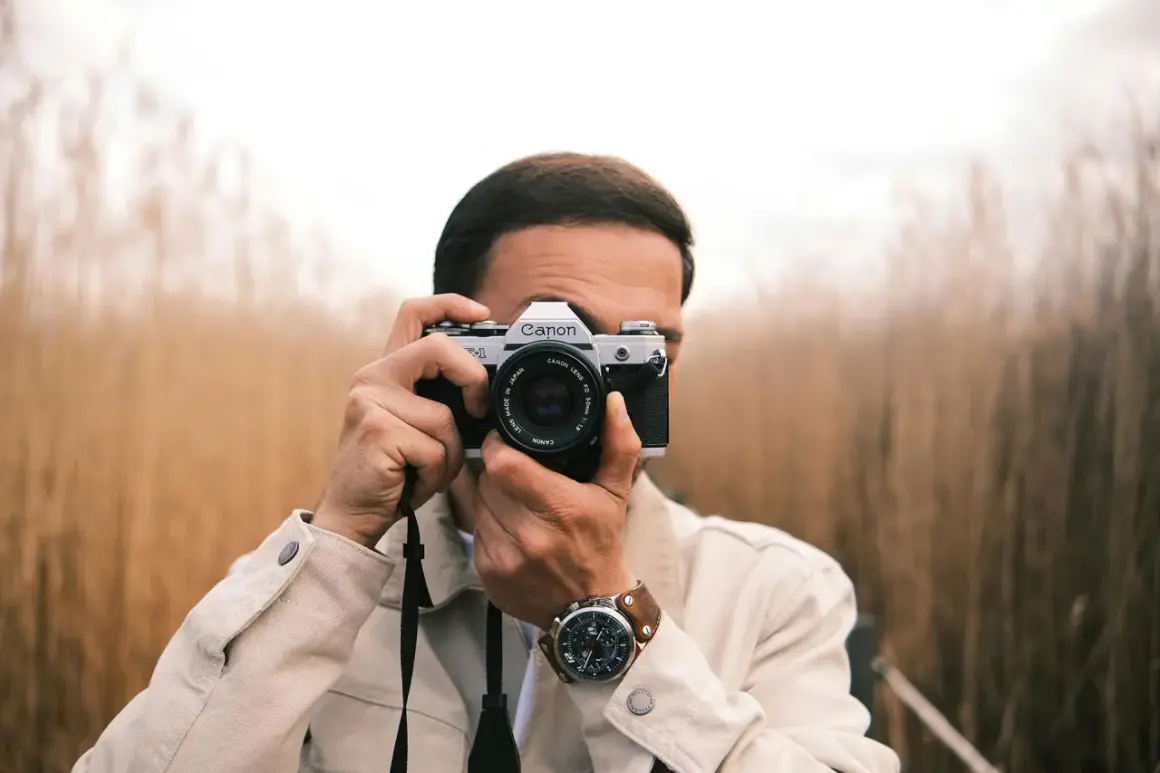
Street photography on film works best when the camera gets out of the way: small enough to carry all day, quiet enough to avoid attention, and simple enough to react fast when a scene changes by the second. For most people, the best film camera for street photography is the one that stays predictable under pressure, not the one with the biggest reputation. In this guide I break down what matters, which bodies are worth buying in 2026, and how to match a camera to the way you actually shoot.
The quickest way to narrow down the right street camera
- Best all-around pick: Nikon FM2N for a compact, fully mechanical body that still feels reliable in daily use.
- Best budget rangefinder: Canon Canonet QL17 GIII if you want a quieter, smaller camera with a fixed 40mm lens.
- Best premium choice: Leica M6 if you want classic rangefinder handling and can accept the price.
- Best stealth option: Rollei 35S for a truly pocketable camera that disappears in public.
- What matters most: size, shutter noise, finder clarity, and lens choice usually matter more than brand prestige.
- Budget reality in 2026: buy condition and service history first, because a cheap body that needs repairs is not really cheap.
What street photography asks from a camera
Street work is a speed problem disguised as an equipment problem. You need a body that lets you frame quickly, focus without fuss, and keep moving without feeling like you are operating a machine instead of watching the city. A bright viewfinder, a responsive shutter, and a lens that encourages instinctive shooting matter far more than having every feature under the sun.
I look for three things first: discretion, simplicity, and consistency. Discretion keeps people from noticing the camera before the moment happens. Simplicity keeps me from missing the frame while I adjust too many controls. Consistency means the meter, shutter, and focus system do the same thing every time, so I can build muscle memory around them.
That is why 35mm film bodies, compact rangefinders, and small SLRs keep coming up in serious street discussions. A 35mm lens on a 35mm camera is a classic starting point because it shows enough of the environment without forcing you into a wide-angle struggle. Zone focusing helps too: zone focusing means pre-setting focus distance and aperture so you can shoot instantly instead of waiting for autofocus or hunting for perfect focus in a split second.
Once those basics are clear, the real buying decision becomes much easier, because the best camera for street work is the one that fits your shooting rhythm. That takes us to the bodies that still make sense in 2026.
The cameras I would shortlist first in 2026
In 2026, the used market matters more than nostalgia. Some famous cameras are still excellent, but a few have become so expensive that I only recommend them if you already know exactly why you want them. The prices below are approximate U.S. used-market ranges for body-only purchases, and they move with condition, service history, and whether the meter works.| Camera | Why it works on the street | Approx. 2026 used price | Best for |
|---|---|---|---|
| Nikon FM2N | Fully mechanical, compact, fast shutter, and easy to pair with a 28mm, 35mm, or 50mm prime. The battery only powers the meter. | $350-$650 | The safest all-around manual choice |
| Canon Canonet QL17 GIII | Small fixed-lens rangefinder with a quiet leaf shutter and a very usable 40mm f/1.7 lens. | $120-$300 | Budget-minded shooters who want discretion |
| Olympus OM-4Ti | Light SLR with excellent metering and small Zuiko lenses that keep the kit compact. | $300-$700 | Photographers who want a smaller SLR with strong exposure tools |
| Leica M6 | Bright rangefinder, quiet operation, beautiful handling, and a lens ecosystem that is still legendary. | $3,000-$4,500 | Premium manual rangefinder buyers |
| Contax G2 | Autofocus rangefinder with sharp Zeiss lenses and fast operation when you want speed over pure manual ritual. | $2,000-$3,500 body, lens extra | Shooters who want AF in a rangefinder-style body |
| Rollei 35S | Truly pocketable fixed-lens camera with a 40mm lens and a low-profile shape that disappears in public. | $250-$450 | Ultra-discreet carry-everywhere shooting |
If I had to choose one body for most people, I would start with the Nikon FM2N. It gives you a mechanical camera that keeps working without batteries, a shutter fast enough for real street use, and enough lens support to build a practical setup around 35mm or 28mm glass. It is not glamorous, which is exactly why it works.
The Canon Canonet QL17 GIII is the sleeper pick if you want something smaller and quieter. The fixed 40mm lens is close enough to the classic street sweet spot, and the whole camera encourages a lighter, less self-conscious way of shooting. If your style is more deliberate and you like a rangefinder feel without Leica pricing, I would look here early.
The Leica M6 is still the benchmark for people who want the rangefinder experience itself, not just the results. It is excellent, but I would only recommend it when the price will not make you hesitate to use it. A camera that makes you nervous stays in the bag. That is bad street gear no matter how famous it is.
The shortlist gives you the options; the next step is choosing the body that matches your actual shooting habits instead of the one that sounds best on paper.
How I would match the camera to your shooting style
There are a few different ways to shoot the street, and each one favors a different body. I would not buy a camera before deciding whether I want to work slowly and deliberately, stay quiet and invisible, or shoot with a more modern, automatic rhythm.
Choose a mechanical SLR if you want control without fragility
The Nikon FM2N is the clearest example here, and the Olympus OM-4Ti belongs in the same conversation. These cameras reward photographers who like to set exposure themselves and trust the gear to behave predictably. They are especially good if you want to learn exposure discipline, because the feedback loop is immediate and obvious.
Choose a rangefinder if you want to stay discreet
Rangefinders feel better for many street photographers because they are compact, relatively quiet, and easy to carry without announcing themselves. The Canonet QL17 GIII is the value play, the Leica M6 is the premium play, and the Contax G2 is the faster, more automated option. If your work depends on not turning heads, this category usually makes the most sense.
Choose a fixed-lens camera if you want zero extra weight
The Rollei 35S and Canonet QL17 GIII prove the same point in different ways: a fixed lens can make you a better street photographer by removing choice paralysis. You do not waste time deciding which lens to mount, and the whole package becomes easier to carry on long walks. The tradeoff is obvious: one focal length, one field of view, and less flexibility if you want to work differently later.
For budget planning, I would think in tiers rather than obsess over exact prices. Under $300, you are usually looking at a Canonet, Rollei 35, or a rougher body that may need attention. Around $300-$700, the FM2N and OM-4Ti become realistic. Once you move above $1,500, you are paying for premium handling, collectible demand, or both. I would also reserve at least $100-$250 for service if the camera has unknown history, because a vintage body without maintenance can become expensive fast.
That buying logic is useful, but lenses and exposure habits still decide whether the camera feels natural in the street, so that is where I would look next.
The lens and film choices that change the result
A lot of people spend too much time debating bodies and not enough time thinking about focal length. For street photography, the lens often shapes the final image more than the camera brand does. If you want a practical starting point, I would build around a 35mm lens and only move wider or tighter once you know what kind of frame you actually enjoy making.
35mm is the safest starting point
On 35mm film, a 35mm lens gives a natural balance between context and subject. It is wide enough to include the environment, but not so wide that every frame becomes cluttered with background detail. If I had one lens to recommend to a new street shooter, that would be it.
28mm and 40mm serve different instincts
A 28mm lens works when you want to stand close and let the viewer feel embedded in the scene. It is a stronger, more immediate look, but it asks for confidence and careful framing. A 40mm lens sits in a comfortable middle ground: slightly tighter than 35mm, still discreet, and often very flattering for candid work. That is one reason fixed-lens cameras with 40mm optics keep showing up in street conversations.
Film speed and aperture matter more than people expect
For city shooting, I prefer 400-speed film because it gives enough flexibility for daylight, shade, and late afternoon without forcing you into extreme underexposure. In practice, f/5.6 and f/8 are very useful street apertures because they keep enough in focus for quick framing and zone work. If people are moving quickly, I try to keep my shutter speed at 1/250s or faster; 1/500s is safer when gestures and motion matter.
If the light drops, I open up and accept a shallower depth of field rather than pretending the camera can do everything. That is the sort of tradeoff street photography rewards, and it is also why a good camera needs to be supported by good habits, not just good specifications.
Mistakes that cost more than the body
The most expensive mistake is buying a camera because it is famous instead of buying the one that fits your hands and your pace. I see that happen constantly with film gear. A beautiful body with awkward handling, a dead meter, or a shutter that needs work will slow you down more than a modest camera ever could.
Do not skip the used-camera checklist
Before buying, I check the shutter at multiple speeds, the meter behavior, the lens for haze or fungus, the light seals, and the battery compartment for corrosion. On rangefinders, I also want the patch to be clear and aligned. On SLRs, I want the mirror, screen, and film advance to feel smooth. None of this is glamorous, but it is exactly what keeps a street camera usable.Do not ignore service history
CLA means clean, lubricate, adjust, and it is the standard maintenance vintage bodies often need. A camera that has been serviced recently is usually a better buy than a cheaper body with unknown history. I would rather pay a little more for a dependable camera than save money on something that spends its first month in a repair queue.
Read Also: Ilford Delta 400 - Master This Refined Black & White Film
Do not pay collectible money unless you want collectible behavior
This is the part many buyers resist. If you pay premium money for a Leica or Contax, you may end up being more cautious with it than you should be. Street photography benefits from use, not reverence. A camera that is too precious becomes a liability because you start protecting the gear instead of making pictures.
Once you stop chasing status and start prioritizing reliability, the choice gets much simpler, and that simplicity is where the final recommendation comes from.
The path I would choose if I wanted one dependable setup
If I were building a street kit from scratch today, I would keep it brutally simple. Under $300, I would buy a working Canonet QL17 GIII or a Rollei 35S and spend my time learning one focal length. Between $300 and $700, I would buy a Nikon FM2N and pair it with a 35mm prime, because that gives me the best mix of durability, control, and everyday practicality. Above $1,500, I would only move to a Leica M6 or Contax G2 if I specifically wanted that handling experience and was willing to pay for it.
If you want my single short answer, I would start with the Nikon FM2N. It is the most sensible street camera for most people because it is compact, mechanical, and flexible enough to grow with you without becoming fussy. The camera should disappear in the moment, and this one does that job better than its reputation suggests.