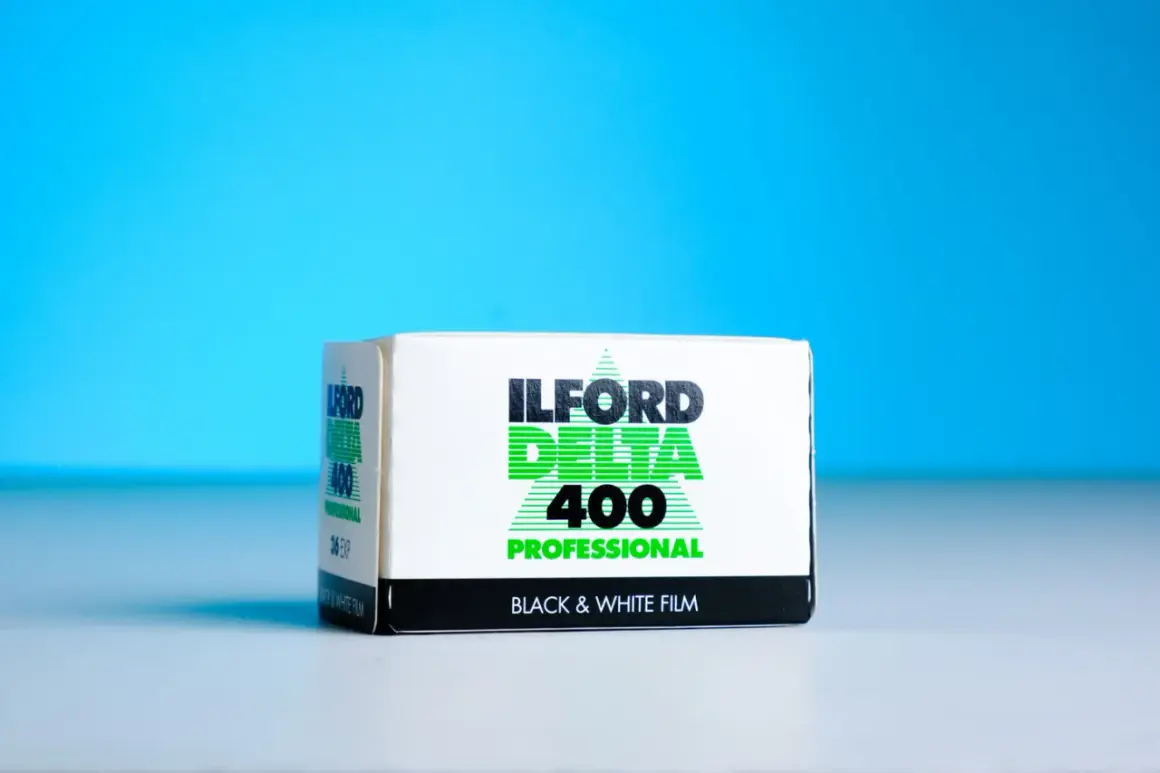
A fast black-and-white film that stays refined under pressure
- It is a 400-speed monochrome film designed for flexibility, sharper detail, and relatively fine grain.
- The look is cleaner and more modern than a traditional 400-speed stock, but still natural enough for documentary and portrait work.
- The practical exposure window is wide: box speed is ISO 400, and real-world use can stretch from about EI 200 to EI 3200 depending on the scene and development.
- It is available in both 35mm and 120, so it works for everything from casual street shooting to medium-format portraiture.
- If you want a more forgiving, classic all-rounder, HP5+ is usually the easier comparison point.
What this film is built to do
This is a professional black-and-white film that sits in the middle of the speed curve: fast enough for low light and movement, but not so fast that the negative falls apart. Ilford positions it as a high-speed emulsion with strong sharpness, fine grain, and good tonal separation, which is exactly why it has stayed relevant for working photographers instead of becoming a curiosity.
What matters here is the balance. A lot of 400-speed films give you speed first and refinement second. This one tries to keep both. The emulsion uses Ilford’s Core-Shell technology, which is the company’s way of controlling grain structure more precisely. In plain language, the image tends to look tighter and cleaner than a traditional fast film, especially when you enlarge it or scan it at higher resolution.
It is also practical in the darkroom or lab. The film is sold in 35mm and 120, and it is designed to work in common processing setups, from small spiral tanks to larger lab processors. That makes it less of a specialty product and more of a reliable working stock. For me, that is the real value: it is fast enough to be useful, but controlled enough to stay serious.
That baseline matters, because the next question is not what the film is, but what it looks like when you actually shoot it.
How it renders on the negative
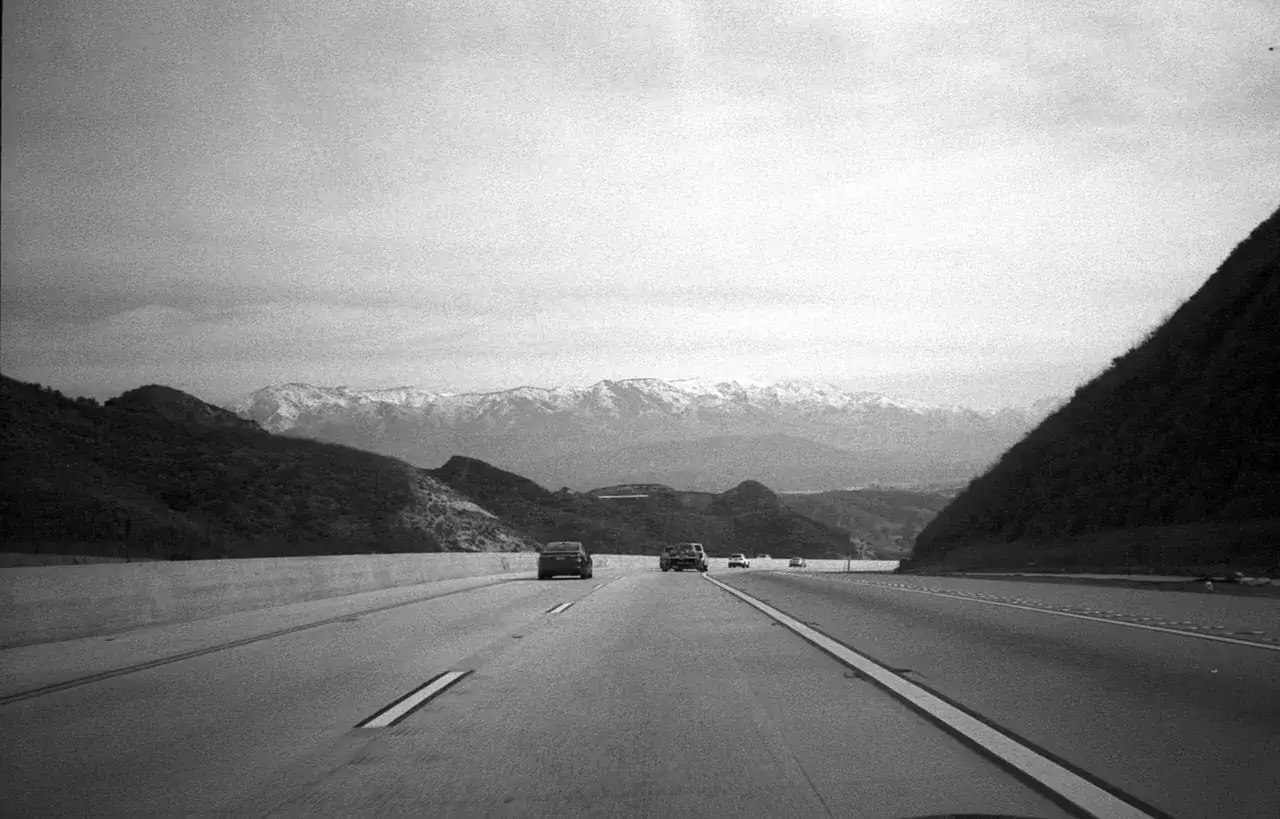
The first thing I notice in the negative is cleanliness. Shadows stay fairly orderly, highlights do not turn chaotic too quickly, and the grain is fine enough that the photograph can still feel polished rather than gritty. If you are used to classic fast films, the difference is obvious: this is not a rough, heavy-grain aesthetic. It is a sharper, more controlled one.
That makes it especially good for scenes where detail matters. Faces hold texture without looking harsh. Architecture stays crisp. Outdoor documentary work keeps enough separation in midtones to avoid the flat, muddy look that can happen when a 400-speed film is pushed too hard or scanned too aggressively. I also like it for evening street photography, where the light is changing but you still want the file or print to hold together.One practical point: the film’s cleaner look can fool people into thinking it is more forgiving than it really is. It is forgiving in some ways, but it still rewards decent exposure. If you starve the shadows, the negative gets thinner and the cleaner grain cannot rescue missing information. The film is refined, not magical.
That look is what makes the comparison with other Ilford stocks useful, because the real decision is usually not whether to buy black-and-white film, but which character you want on the roll.
When I would choose it over HP5+ or Delta 100
If I had to place it in Ilford’s lineup, I would call it the sensible middle option for photographers who want speed without a heavy grain signature. The cleanest way to see that is side by side.
| Film | Best for | Look | Main tradeoff |
|---|---|---|---|
| Ilford’s 400-speed Delta film | Street, travel, portraits, available light, mixed conditions | Fine grain, crisp detail, clean tonal transitions | Less forgiving than a classic all-round 400-speed stock |
| HP5+ | General-purpose shooting, rough light, heavy pushing | More traditional grain and a looser, classic feel | Not as refined if you want a cleaner negative |
| Delta 100 | Bright light, portrait work, landscape, maximum detail | Very fine grain and extra delicacy | Slower speed means more light or slower shutters |
HP5+ is the safer choice when I expect bad light, bad metering, or a shoot that may need to be pushed hard in post or in the darkroom. It has a more traditional look and a reputation for forgiveness. Delta 100 is the better option when I have enough light and want maximum smoothness. This film sits between those two: faster than Delta 100, cleaner than HP5+, and more modern in appearance than either of the classic compromise films many people start with.
So the decision is less about which one is objectively better and more about what kind of negative you want to hand to the scanner, enlarger, or lab.
How to expose it without wasting shadow detail
The official rating is ISO 400, and that is the right place to begin. I would meter it at box speed whenever the lighting is straightforward, because the film was designed for that baseline and it gives you the easiest balance of speed and tonality.
From there, the practical exposure window is wider than many people expect. Ilford’s technical information supports useful results from roughly EI 200 to EI 3200, but that does not mean every setting gives the same kind of negative. The more you move away from box speed, the more you are making a creative or rescue decision.
- Rate it at EI 400 for normal shooting and balanced contrast.
- Drop to EI 200 or EI 320 when the scene is contrasty and you want fuller shadows.
- Push to EI 800 when you need one more stop without changing lenses or lighting.
- Go to EI 1600 or 3200 only when the image matters more than the penalty in contrast and grain control.
For me, the biggest mistake is underexposure disguised as confidence. Because the film looks polished, people sometimes assume it can absorb sloppy metering. It cannot. If you are photographing backlit streets, interiors with a bright window, or subjects moving through mixed light, protect the shadows first and let the highlights fall where they may. That is especially true if you plan to scan rather than print optically.
Filters are also worth mentioning. The film handles them normally, but the exposure cost still matters. A yellow or orange filter can help separate skies and skin tones in daylight, yet it will also take away some speed. That tradeoff is fine if you plan for it and unhelpful if you guess.
Once exposure is under control, the development choice becomes the next place where the character of the negative is either preserved or flattened.
Developing and scanning it with a light touch
This film is not picky about developers, which is a strength. The official material points to several familiar black-and-white developers that work well, including ID-11, DD-X, HC, Microphen, and RT Rapid. That tells me the film is flexible enough for both home processing and lab work, which is exactly what a practical stock should be.
If I want the cleanest, most balanced result, I keep the process normal and avoid trying to force a dramatic personality out of the negative. The film already has good sharpness and fine grain, so aggressive development is often unnecessary. A standard developer with solid temperature control and consistent agitation usually gives me the most predictable scan or print.
When pushing, I want to be realistic about the cost. Pushing can save a shot, but it also compresses tonality and makes the image less graceful. That may be fine for documentary work or nightlife photography, where the atmosphere matters more than texture, but it is not the look I would choose for portraits if I had the option to light the scene properly.
Scanning is where this film either shines or gets misunderstood. A good negative from this emulsion scans very cleanly because the grain is tight and the tonal transitions are orderly. But overcooked contrast in scanning can make the image look sterile. I prefer a scan that keeps the midtones alive and the blacks open enough to retain structure. If you slam the curve too hard, you lose the subtlety that makes the film worth using in the first place.
The process is simple: expose carefully, develop consistently, and resist the urge to over-edit the negative into something that does not match its strengths.
Which format fits the way you shoot
The same film behaves a little differently depending on format, not because the emulsion changes, but because your shooting rhythm changes. In 35mm, I tend to use it for quick-moving work: street scenes, travel days, informal portraits, and anything where I want enough speed to avoid carrying a tripod. The 24- or 36-exposure roll gives you room to work, but not so much that you become careless.
In 120, the film feels more deliberate. The larger frame makes the fine grain and sharpness easier to appreciate, and that is where the stock starts to feel especially elegant. For portraits, landscape, and still-life work, medium format makes the cleaner look more obvious. It is the version I would pick if the goal is print quality or a more polished scan.
There is also a workflow angle. If you shoot a lot and like to process at home, 35mm is the easier way to keep costs and handling manageable. If you shoot slower and want each frame to carry more weight, 120 is where the film’s strengths are easier to see. Neither choice is wrong; they just emphasize different things.
That leads to the final practical question: before loading your first roll, what should you expect from it in real life?What I would tell someone loading a first roll
I would start with a simple rule: treat it like a precise 400-speed film, not like a forgiving safety net. Meter honestly, keep your processing consistent, and judge the first negatives before you decide whether to push harder or rate lower next time. That approach usually tells you more than any broad film-stock opinion ever will.
If you want one black-and-white stock that can handle everyday work without looking rough, this is a strong choice. If you want maximum forgiveness and a more classic texture, HP5+ is still the easier all-round answer. If your priority is the cleanest possible detail in good light, Delta 100 stays ahead. The useful part of this film is that it occupies a genuinely practical middle ground rather than pretending to be everything at once.
For a first roll, I would keep the setup boring on purpose: box speed, normal development, and a scene with enough light to show whether the tonality and grain suit your eye. That tells you more than chasing a dramatic push ever will, and it is usually the fastest way to know whether this film belongs in your regular rotation.