When I think about what to do with old cameras, I start with one simple test: can this gear still create value, or is it only taking up space? The right move depends on condition, battery type, collector demand, and whether the camera still has useful accessories or personal data inside. A good decision here can turn clutter into cash, help someone else get started, or keep a lithium battery out of the trash.
For photographers, video crews, and anyone with a shelf of forgotten gear, the smartest route is usually not to throw everything away at once. I prefer a quick triage: separate what can be sold, what can be donated, what can be repurposed, and what should go straight to proper recycling.
The fastest way to handle old camera gear is to match condition to the right next step
- Working bodies and lenses usually belong in the resale or trade-in pile.
- Usable gear that no longer fits your workflow is often better donated than stored.
- Broken electronics or swollen batteries should be recycled, not kept in a drawer.
- Digital cameras should be wiped before they leave your hands.
- Batteries need separate handling; the EPA says lithium-ion batteries should not go in household garbage or curbside recycling.
- Local e-waste rules vary, so check your county or city program before you drop anything off.
Start with a quick gear triage
I always sort camera gear before I decide its fate. A camera body, lens, flash, charger, memory card, and battery do not always belong in the same pile, because each part can have a different value and a different disposal path. A body with a dead battery might still be worth selling for parts, while the battery itself should go to a separate collection point.
| Condition | Best next step | Why it makes sense |
|---|---|---|
| Works well and is in a current mount | Sell or trade in | You will usually get the best return with the least waste. |
| Works, but you no longer use it | Donate | Someone else can put it to work immediately. |
| Broken body with useful lens, flash, or accessories | Sell parts or repair if the math works | Accessories often outlive the body and still have real value. |
| Corroded, swollen, or clearly unsafe | Recycle | Safety and proper e-waste handling matter more than resale value. |
| Collectible film body or classic lens | Check collector demand before disposal | Older gear can be worth more than it looks at first glance. |
That first sort saves time later, because once you know which bucket a camera fits into, the next decision is much simpler. From there, I look at resale value first, since that is usually the most efficient outcome.
Sell the pieces that still have market value
In practice, the best candidates for resale are usually interchangeable-lens bodies, quality lenses, flashes, and well-kept film cameras. A clean lens with clear glass can be more attractive than a newer body with a weak battery, especially when the mount still has an active user base. If the camera is digital, condition matters, but so do battery health, shutter count, sensor cleanliness, and whether it includes the original charger and caps.What raises value is pretty consistent: complete accessories, honest condition notes, and clear photos. I would rather list a camera as “used, tested, and showing normal wear” than oversell it and deal with returns later. For older gear, authenticity matters more than perfection. If the body is collectible but temperamental, I sell it as-is and describe the fault plainly instead of pretending it has been professionally restored.
Trade-in is usually the fastest route, while private sale often brings more money if you are patient. That tradeoff is real: a quick sale gets the gear out of your way, but a direct buyer may pay more for the same item. If you are selling, include the battery, charger, strap, lens caps, and any original box or manual you still have. Those extras can make a meaningful difference because they reduce the buyer’s risk and make the listing feel complete.
Once the obvious resale pieces are gone, the next question is whether the remaining gear should be handed off to someone who can still use it.
Donate gear only when it will actually be used
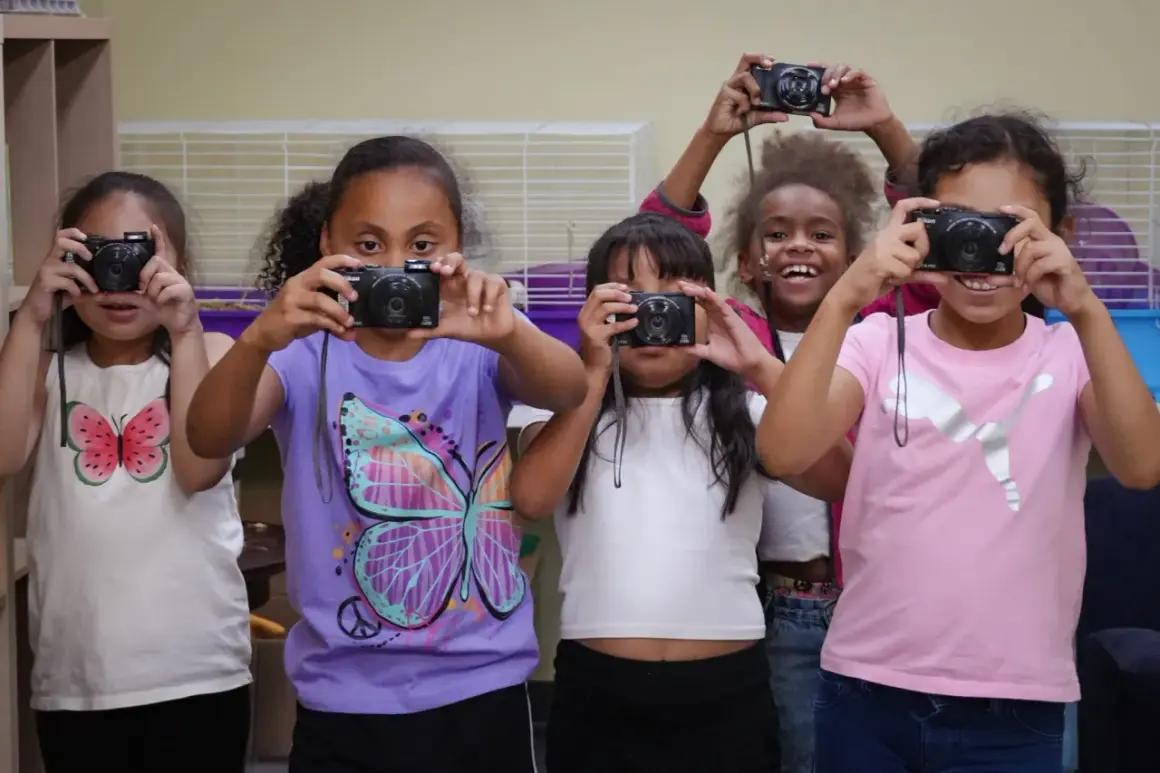
Donation makes sense when the camera still powers on, the controls work, and the recipient can realistically use it. I like this route for community arts programs, school photo clubs, darkroom classes, makerspaces, and theater departments that need props or working gear. A functioning camera can do more good in a classroom or nonprofit studio than boxed up in a closet.
The key is to donate thoughtfully. I would not donate a body with corrosion, a swollen battery, or cracked battery contacts and hope someone else sorts it out. That shifts the problem instead of solving it. If the camera is usable, include the charger, a known-good battery, and any adapter rings or cables that make it easier to adopt. If it is a film body, add a quick note about whether the shutter fires and whether the light seals look intact.
Donation also works well for cameras that are not worth the hassle of selling but still have enough life for learning or casual use. That often includes older point-and-shoots, basic DSLRs, and lenses that are not flashy but are still optically sound. Once the camera stops being a practical tool, I think about repurposing it before I send it out of the workflow entirely.
Repurpose cameras in ways that fit a studio or home
Not every old camera needs to be treated as dead inventory. In a production environment, retired gear can still earn its keep as a prop, a teaching tool, or a donor shell. I have seen older bodies used effectively on set because they look believable in a frame, sit well on a desk, and communicate “camera” instantly without risking expensive current kit.
- Set dressing and props work well for old film bodies, compact digital cameras, and even damaged gear with clean exteriors. A realistic prop often matters more than a fully working one.
- Teaching aids are useful in workshops and client education. A camera body is a simple way to explain framing, focal length, exposure, and lens mounts without using live production gear.
- Parts donors make sense if you still own the same system. A dead body may still have a useful grip, door, dial, or battery compartment that helps another camera stay alive.
- Display pieces can work in a studio, office, or shelf setup if the camera has visual character. I usually remove batteries and cards first, then clean the exterior and label it as decor or reference gear.
- Creative conversions are best reserved for people who know the risks. DIY pinhole or infrared-style projects can be fun, but they are only worth doing if the camera is already beyond normal use.
Recycle the rest without creating a battery problem
The EPA is very clear on the most important point here: lithium-ion batteries and devices containing them should not go in household garbage or curbside recycling. That matters because camera batteries can overheat, leak, or start fires when they are crushed or handled the wrong way. If your camera uses a removable lithium-ion battery, take the battery out first and send it to a separate battery recycling or household hazardous waste program.
For safety, I tape the terminals with non-conductive tape or place each battery in its own small plastic bag before I transport it. That simple step reduces the chance of accidental contact with metal objects. If the battery is swollen, damaged, or unusually hot, stop using it and treat it as a priority item for drop-off rather than something to store casually in a drawer.
When the battery is not removable, the whole device usually needs to go through an electronics recycler or a takeback program that accepts battery-containing devices. In the U.S., local options vary by county and city, so I check the municipal solid-waste site first, then look for a certified electronics recycler if I need a broader option. Earth911 can help locate battery drop-off points, but your local hazardous-waste program is often the most reliable place to start.
Memory cards, cables, chargers, and straps should not all be treated the same way either. Cards should be wiped or physically destroyed if they still contain personal or client data, while chargers and cables can often be recycled with e-waste if the local program accepts them. Once you separate those pieces, the remaining camera is much easier to handle responsibly.
Avoid the mistakes that make old gear harder to handle
Most problems with old cameras come from rushing the process. I see the same mistakes over and over, and they are easy to avoid once you know what to watch for.
- Leaving the battery installed when the camera is being sold, donated, or boxed for storage.
- Forgetting the memory card, which can expose personal files or client work.
- Mixing good gear with dead gear, which makes sorting and resale much harder later.
- Assuming every camera belongs in curbside recycling, which is especially risky when lithium-ion batteries are involved.
- Donating something broken without disclosure, which wastes the recipient’s time and trust.
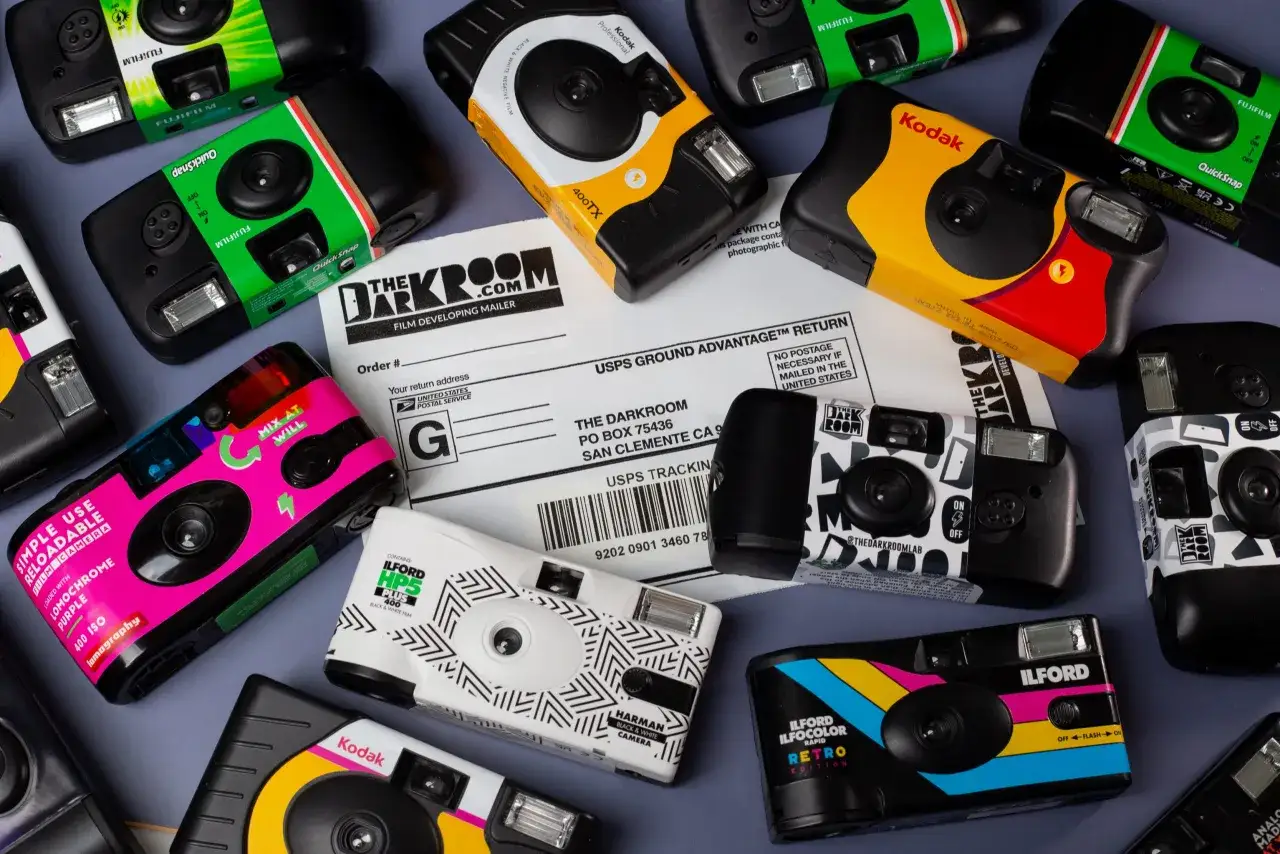
- Ignoring collector value on older film cameras or classic lenses that still have a buyer market.
The biggest one is battery handling. If there is any doubt about the battery condition, I treat it as a separate item and move it out of the camera as soon as it is safe to do so. That one habit prevents most of the headaches people run into when cleaning out old gear.
Use a simple rule for the next box of camera gear
My rule is straightforward: if a camera can still help someone shoot, teach, or learn, it should move into use; if it cannot, it should move into proper recycling with the battery handled separately. That is the cleanest way to think about camera clutter because it balances value, safety, and practicality without overcomplicating the decision.
If you are dealing with a full shelf of gear, I would sort it into three labeled groups today: sell, donate, recycle. Keep one small bag for batteries and another for accessories, then process the pile in that order. It is a simple system, but it works, and it keeps old cameras from becoming a permanent project.
Once the gear is sorted this way, you usually end up with less waste, fewer safety risks, and a better outcome for the equipment you no longer need.