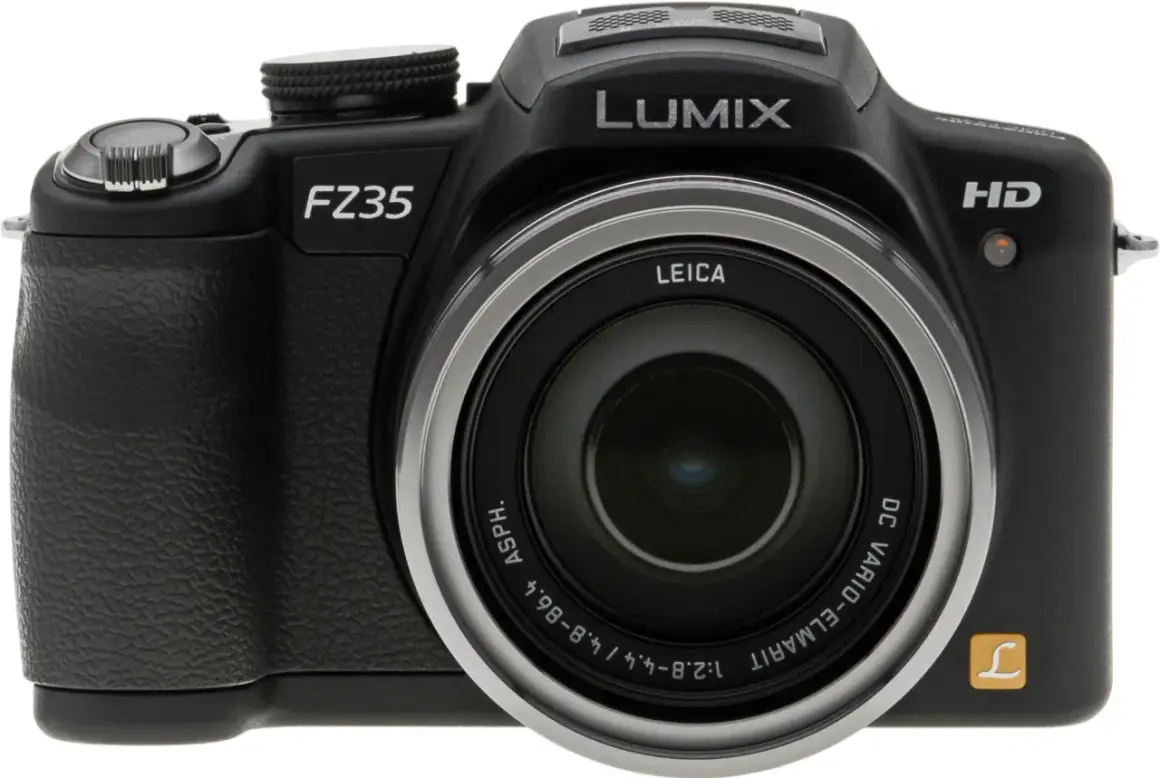
The Panasonic DMC-FZ35K is interesting because it solves a very specific problem: how to get serious zoom range, decent manual control, and usable video without carrying a bag of lenses. In this article, I break down what that means in practice, which specs actually matter, what the camera still does well in 2026, and what I would inspect before buying one used.
Key facts that matter before you buy or use it
- It is a bridge camera, so the fixed lens is the main attraction: you get reach and convenience, not interchangeable-lens flexibility.
- The core imaging setup is modest by modern standards: a 12.1MP 1/2.33-inch CCD sensor paired with an 18x zoom lens.
- Its real strength is framing flexibility, with a 27-486mm equivalent zoom range that covers wide scenes and distant subjects.
- It still has serious controls, including RAW support and manual exposure modes, which makes it more useful than a basic point-and-shoot.
- Video is usable but dated: 720p AVCHD Lite or Motion JPEG is fine for archival, casual, or behind-the-scenes work, not modern production demands.
- Buying used requires a careful check of the battery, lens movement, card compatibility, and screen behavior.
What the camera is really built for
The Panasonic DMC-FZ35K is a classic bridge camera, which means it sits between a compact point-and-shoot and an interchangeable-lens body. I think that framing matters more than the model number itself, because it explains almost everything the camera tries to do: give you a long zoom, a reasonably full set of exposure controls, and a body that feels like a small DSLR without actually being one.
That makes it useful in a few very specific scenarios. If you want to photograph a subject that is far away, capture travel details without changing lenses, or experiment with manual shooting on a budget, the FZ35 still makes sense. If you want shallow depth of field, fast modern autofocus, or clean high-ISO files, it is the wrong tool.
In 2026, I would describe it as a special-purpose used camera rather than an all-around recommendation. That distinction is important, because the specs look simple until you see how much creative range the zoom and controls actually give you.
Once that positioning is clear, the next step is to look at the parts of the spec sheet that still matter and the ones that mostly look good on paper.
The specs that still define the experience
The FZ35 is old enough that the useful details are easy to summarize. These are the numbers I would actually care about:
| Specification | Why it matters |
|---|---|
| Sensor | 12.1MP 1/2.33-inch CCD sensor; good enough for daylight and casual work, but not strong in low light. |
| Lens | 18x zoom, 27-486mm equivalent, with a bright f/2.8-4.4 aperture range. |
| Macro focus | As close as 1 cm at wide angle, which is useful for small objects and detail shots. |
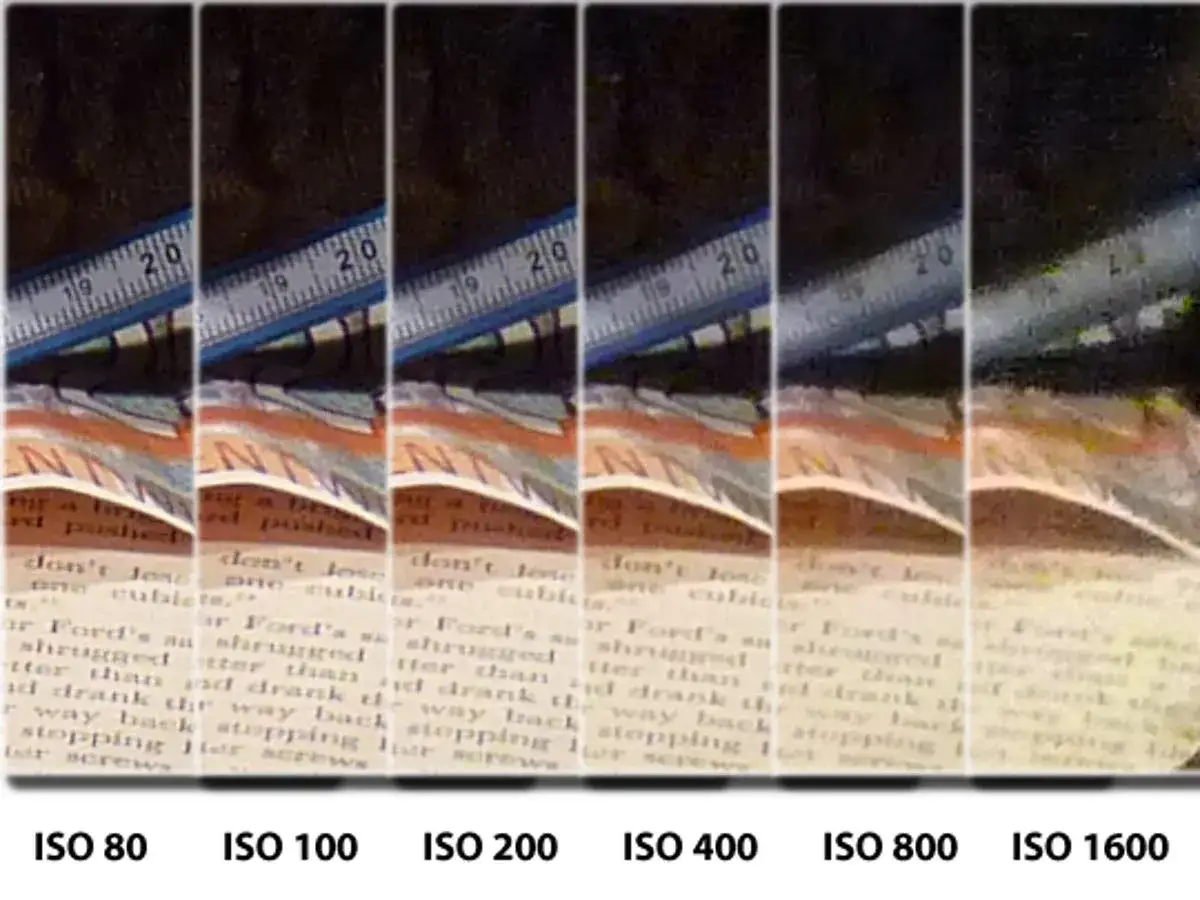
| ISO range | Still images: ISO 80-1600, with a high-sensitivity mode up to ISO 6400 at reduced resolution. |
| Shutter speed | From 60 seconds to 1/2000 sec for stills, which gives you basic flexibility for long exposures and bright-day shooting. |
| Burst | About 2.3 fps normally, or up to 10 fps in reduced-size high-speed modes. |
| Display and viewfinder | 2.7-inch LCD and an electronic viewfinder, so you can shoot from the screen or brace the camera to your eye. |
| Video | 1280x720 in AVCHD Lite or Motion JPEG, depending on the mode. |
| Media | SD and SDHC cards up to 32GB, which is still manageable if you want simple storage. |
| Weight | About 414 g with battery and card, light enough for travel but not pocketable. |
| Battery | Lithium-ion pack rated around 470 shots per charge in review testing, with roughly a 120-minute charge time. |
Panasonic’s manual is especially helpful here because it confirms the card limits and the 32GB ceiling, which is the sort of practical detail people forget until they try to buy media. That ceiling is not a flaw, but it does tell you this camera belongs to an earlier storage era.
The spec sheet is only half the story, though. The more useful question is how those numbers behave when you actually point the camera at something and press the shutter.
How it behaves in real shooting
I see three things that define the shooting experience: reach, stabilization, and image quality limits. The zoom is the star. A 27-486mm equivalent range is wide enough for landscapes and interiors, then long enough for stage shots, wildlife at a distance, or compressed travel frames that would be hard to get with a phone or kit zoom.
Daylight is where it feels strongest
In good light, this camera is still enjoyable. Independent test notes from Imaging Resource found acceptable noise up to around ISO 400, which matches the general experience I would expect from a CCD-based superzoom of this era. That means the FZ35 is happiest outdoors, in travel scenes, and in controlled indoor light where you do not have to push sensitivity too far.
Low light exposes the age quickly
Once the light drops, the small sensor and older processing pipeline become more obvious. The bright f/2.8 end helps at the wide setting, but the long end closes to f/4.4, and that is where the camera starts leaning on higher ISO values or slower shutter speeds. I would not buy it expecting clean nightclub, concert, or indoor family-event files without compromises.
Read Also: Micro Four Thirds vs Full Frame - Which Camera is Right for You?
The controls are better than the sensor suggests
What saves the camera from being a novelty is the control set. RAW support, Program, Aperture-priority, Shutter-priority, and Manual exposure modes all make it more serious than a typical compact. I like that because it gives the camera some educational value too: it lets you practice exposure and framing without getting buried in modern menu complexity.
Video follows the same pattern. It is genuinely useful for simple clips, reference footage, and behind-the-scenes material, but 720p AVCHD Lite is not a production-grade feature set by current standards. If you need modern autofocus tracking or 4K delivery, you should look elsewhere. The next question, then, is not whether the camera is old; it is whether a used copy is still worth your money and attention.
What to inspect before buying a used body
When I look at an older camera like this, I focus on wear points that affect usability more than cosmetics. A clean shell is nice, but a camera with a tired battery or a sticky zoom is a bad buy.
- Battery health - make sure it powers on reliably and holds a charge long enough for a practical shoot.
- Lens movement - test the zoom from wide to telephoto and back; it should extend and retract smoothly without grinding or hesitation.
- LCD and EVF - look for dead pixels, heavy tinting, or dim output that makes framing difficult.
- Card slot - confirm it reads SD or SDHC cards properly, since the official memory support tops out at 32GB.
- Flash function - the pop-up flash should fire cleanly and reset without sticking.
- Buttons and dials - older cameras often fail in the controls first, not the sensor.
- Included charger - I would strongly prefer a body that comes with the proper charger rather than a vague replacement.
There is one more reason I am careful here: the camera is not built for rough treatment, moisture, or dust. It was always a travel superzoom, not a weather-sealed workhorse, so used-condition matters more than spec-sheet optimism. That leads directly into the real buyer question: where does it still fit next to modern gear?
Where it still fits in a 2026 creator kit
If I were building a lean content kit today, I would not choose this as my main camera. I would choose it when I want reach, physical controls, and a self-contained setup that does one job well. For creators, that can still be valuable in a few niches.
| Use case | Why it works | Main tradeoff |
|---|---|---|
| Travel and street detail shots | You can move from wide scenes to distant subjects without swapping lenses. | It is larger than a pocket camera and not as discreet as a phone. |
| Behind-the-scenes and scouting | The zoom and manual controls make it useful for framing locations, sets, and reference shots. | Low-light performance is limited. |
| Casual wildlife or sports from a distance | The long end gives you reach that many basic cameras cannot match. | Autofocus and burst speed are modest by modern standards. |
| Retro or CCD look | The older sensor can produce a look some people now actively want. | You are accepting technical limitations on purpose. |
If I compare it to a smartphone, the phone wins on convenience, sharing, and low-light processing. If I compare it to a modern mirrorless body, the mirrorless wins on image quality, autofocus, and lens flexibility. The FZ35 only wins when its fixed superzoom design is the thing you actually need.
That is why I would never sell it as a universal recommendation, but I also would not dismiss it as obsolete junk. Used carefully, the Panasonic DMC-FZ35K still earns its place as a compact reach-first camera with real controls, and that is a useful combination even now. If you buy one, start with a healthy battery, the right SDHC card, and a realistic expectation of what daylight-era imaging can still do.