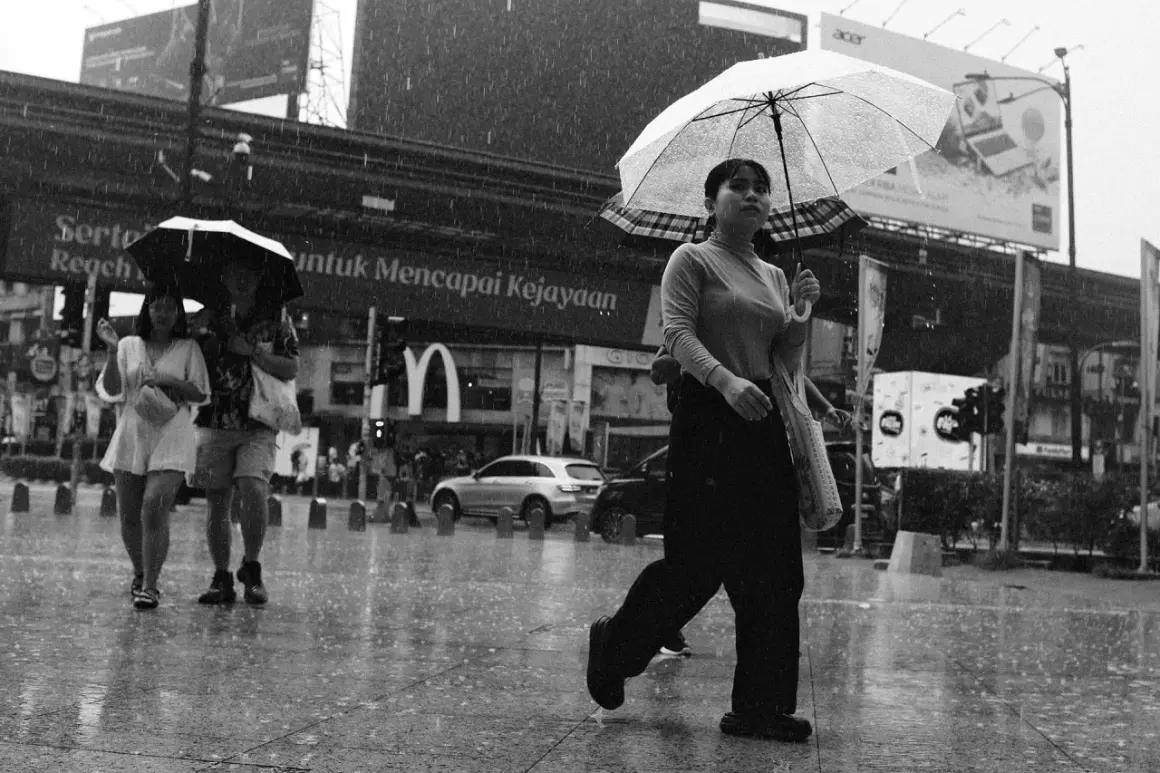
Tri-X 400 has stayed relevant because it gives photographers something rare: a black-and-white negative that is easy to trust in messy light and still has enough character to feel alive. Here I break down what the film actually delivers, how I would expose and develop it, where it works best, and how it compares with the other black-and-white films people usually consider first.
What Tri-X 400 gives you in practice
- ISO 400 speed makes it practical for handheld shooting, indoor scenes, and changing light.
- Classic grain and strong edge detail give the film a textured, recognizable look.
- Wide exposure latitude helps when your meter reading is not perfect.
- Push-processing flexibility makes it useful when the light gets thin.
- 35mm and 120 availability lets you use the same look across different camera systems.
Why Tri-X 400 still earns a place in film photography
Kodak describes Tri-X 400 as a high-speed panchromatic black-and-white negative film, and that combination explains most of its appeal. Panchromatic means the film responds to the visible spectrum in a balanced way, so skin tones, skies, fabrics, and shadows separate naturally instead of collapsing into the same gray. For still photography, I mean the 35mm and 120 negative film, not the motion-picture stock that shares the same family name.
What keeps it useful is the balance. The film is fast enough for handheld work, forgiving enough for mixed light, and textured enough to feel intentional rather than sterile. It does not try to hide the fact that it is film, which is exactly why many photographers still like it for street scenes, documentary work, and people-focused images. That balance matters most once you start exposing it with purpose, which is where most of the real improvement happens.
How to expose it for cleaner negatives
My default approach is simple: start at box speed and meter with the shadows in mind. Black-and-white negative film usually tolerates extra exposure better than too little, and Tri-X is no exception. If the scene is contrasty, I would rather give the shadows enough information and deal with the highlights later than end up with a thin negative that scans poorly and prints badly.
| Situation | Practical starting point | Why it helps |
|---|---|---|
| Street or mixed light | Shoot at box speed and protect shadow detail | Keeps tonality stable when the light changes quickly |
| Indoor available light | Open the lens before you start lowering shutter speed too far | Tri-X has the speed to work, but it still needs enough light for clean negatives |
| Fast action | Prioritize shutter speed, then accept more grain if needed | Motion blur is harder to forgive than grain |
| High-contrast scenes | Expose carefully and avoid starving the shadows | The film has latitude, but it is not magic |
For static subjects, 1/125 s is a useful floor with a normal lens if your handholding is solid, and 1/250 s is safer once people start moving. I also keep notes on which scenes were easy and which ones were stretched, because that tells me more than a contact sheet ever will. Exposure gets the negative into shape, but development decides how much of the film’s personality survives, so that is the next place to be deliberate.
What development changes in the final look
Tri-X can live comfortably in standard black-and-white workflows, and that flexibility is a big part of its appeal. The developer you choose changes grain, contrast, and highlight handling more than the film itself does. In practice, the stock is versatile enough that you can push it toward a classic, gritty, or more restrained look without changing cameras or lenses.
I would think about development in terms of character, not chemistry folklore. A D-76 or ID-11 style workflow usually lands in a balanced middle ground with manageable grain and predictable tonality. A Rodinal-type approach tends to emphasize edge bite and grain, which can be excellent for street work or texture-heavy subjects. Kodak also notes that Tri-X 400 can be used in push-processing applications, but how far you push it should depend on your developer, agitation, and tolerance for extra contrast.
| Development approach | Typical result | Best fit |
|---|---|---|
| Balanced standard developer | Even tonality and moderate grain | General use and first test rolls |
| Fine-grain or classic developer | Smoother midtones and easier scanning | Portraits, travel, and mixed client work |
| Edge-accenting developer | More grain, more bite, stronger texture | Street scenes and gritty subjects |
| Push workflow | More contrast and visible grain, more usable speed | Low light, concerts, and night street work |
If you scan your negatives, this choice matters even more, because a thin scan can make the film look harsher than it really is. Once the negative is properly developed, the next question is where the film actually shines in the field.
Where Tri-X looks strongest in real shooting
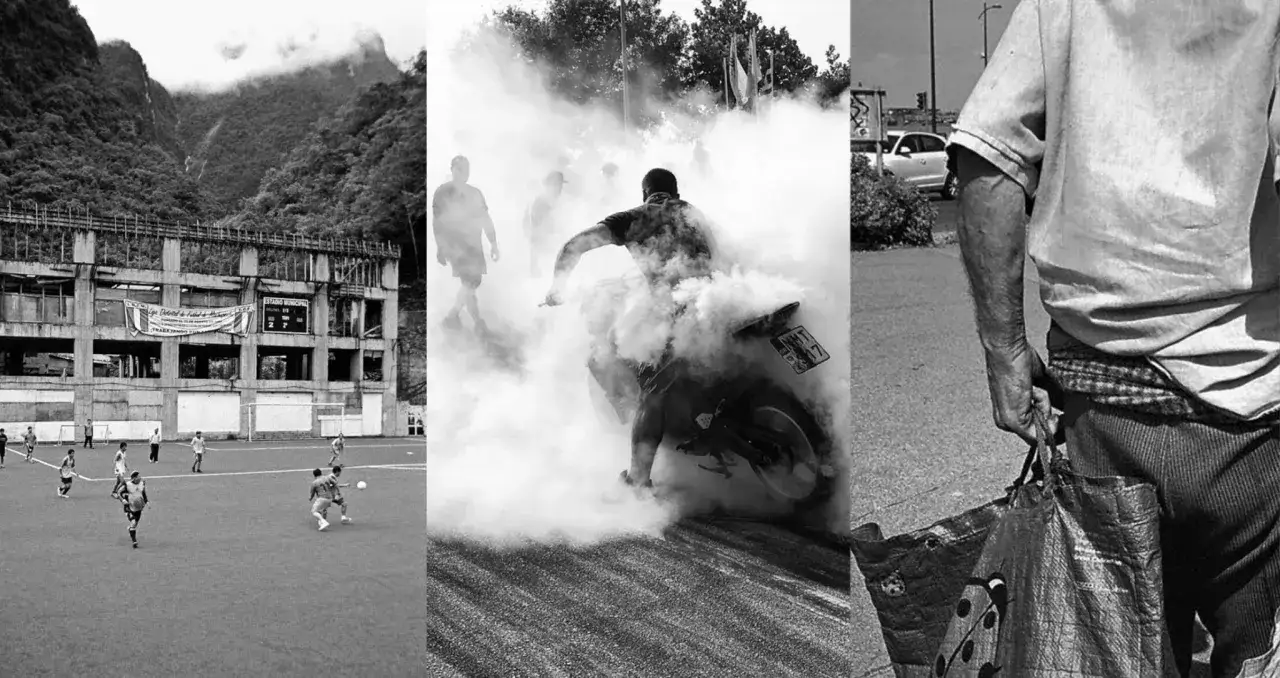
Tri-X is at its best when the subject, light, and pace all ask for flexibility. It is not a film I choose because I want the smoothest possible tone curve. I choose it because I want a negative that can handle movement, mixed light, and imperfect decisions without falling apart.
Street and documentary work
This is the most natural home for the film. Street scenes change fast, and documentary work rarely gives you time to chase perfect exposure. Tri-X handles that pressure well, which is why it has such a strong reputation in reportage and candid work. The grain adds energy rather than distraction, and the film’s contrast gives frames a little structure even when the scene itself is messy.
Portraits and people pictures
Tri-X is not a soft portrait film in the modern, polished sense, but that is exactly why it can work. Side light, window light, and slightly undercontrolled backgrounds all look believable on it. I like it when I want faces to carry texture and shape instead of looking overly airbrushed. If the subject already has strong presence, the film tends to support that rather than compete with it.
Read Also: Choosing 35mm Film: Your Guide to Better Photos
Travel and low-light scenes
The extra speed is a real advantage here. You can keep shutter speeds more practical in museums, cafes, evening streets, and other places where the light is never ideal. That said, I would not treat it as a rescue film for bad technique. Tri-X gives you room, but it still rewards steady hands, thoughtful framing, and a willingness to use available light well. Understanding those strengths makes the comparison to other black-and-white films much more straightforward.
How it compares with HP5 Plus and T-Max 400
Most photographers who try Tri-X also end up comparing it with Ilford HP5 Plus and Kodak T-Max 400. That is a useful comparison, because the three films overlap in speed but not in personality. The choice is less about quality and more about which look and workflow fit your way of working.
| Film | Look | Best when | Tradeoff |
|---|---|---|---|
| Tri-X 400 | Classic grain, crisp edges, assertive contrast | You want character and a timeless black-and-white feel | Less polished than a modern fine-grain film |
| HP5 Plus | Slightly gentler contrast with a relaxed, versatile feel | You want a forgiving all-rounder with a broad exposure envelope | It can feel a little less distinctive straight out of the camera |
| T-Max 400 | Cleaner, finer-grained, more modern-looking negatives | You scan a lot or want a more technical, controlled result | Less of the rough, classic texture people associate with older black-and-white work |
If I want the most character, I reach for Tri-X. If I want the cleanest file or print, T-Max 400 is the more obvious choice. If I want a middle-ground workhorse with a calmer feel, HP5 Plus is the usual alternative. The important part is being honest about what the frame needs, because a film that looks “better” on paper is not always the one that fits the subject.
The mistakes that keep Tri-X from looking good
Most disappointing Tri-X results come from avoidable errors, not from the film itself. The first one is underexposure disguised as caution. A 400-speed film can make people feel safe, but if you starve the shadows, the negative loses the thickness that makes black-and-white film satisfying to scan and print.
- Underexposing to “save” highlights usually costs more than it helps.
- Over-pushing before you know the baseline look makes every roll harder to read.
- Scanning too aggressively can exaggerate grain and crush midtones.
- Blaming the film for poor light ignores the fact that composition and illumination still do the real work.
The second common mistake is treating contrast as an afterthought. Tri-X is strong enough to show contrast clearly, which means bad scanning, bad editing, or sloppy darkroom control becomes visible very quickly. I would rather see a slightly plain negative than one that is technically dramatic but impossible to print or grade well. A cleaner first-roll workflow helps avoid that trap, so that is where I would finish.
A simple way to make your first roll count
If I were starting fresh with Tri-X today, I would shoot one roll at box speed in ordinary light instead of trying to force a special look immediately. I would mix street scenes, window light, and one or two stronger contrast situations, then keep notes on the shutter speed, aperture, and subject distance. That gives you enough information to see how the film behaves without turning the roll into a science project.
From there, I would develop or scan the negatives as neutrally as possible, then look for three things: shadow detail, highlight control, and whether the grain feels like part of the image or an interruption. Kodak recommends storing the film at 55°F, or 13°C, or lower when possible, so keep it cool and dry if you are not shooting it right away. Once you have one honest roll in hand, you can decide whether Tri-X is a one-time experiment or the black-and-white film you keep returning to.