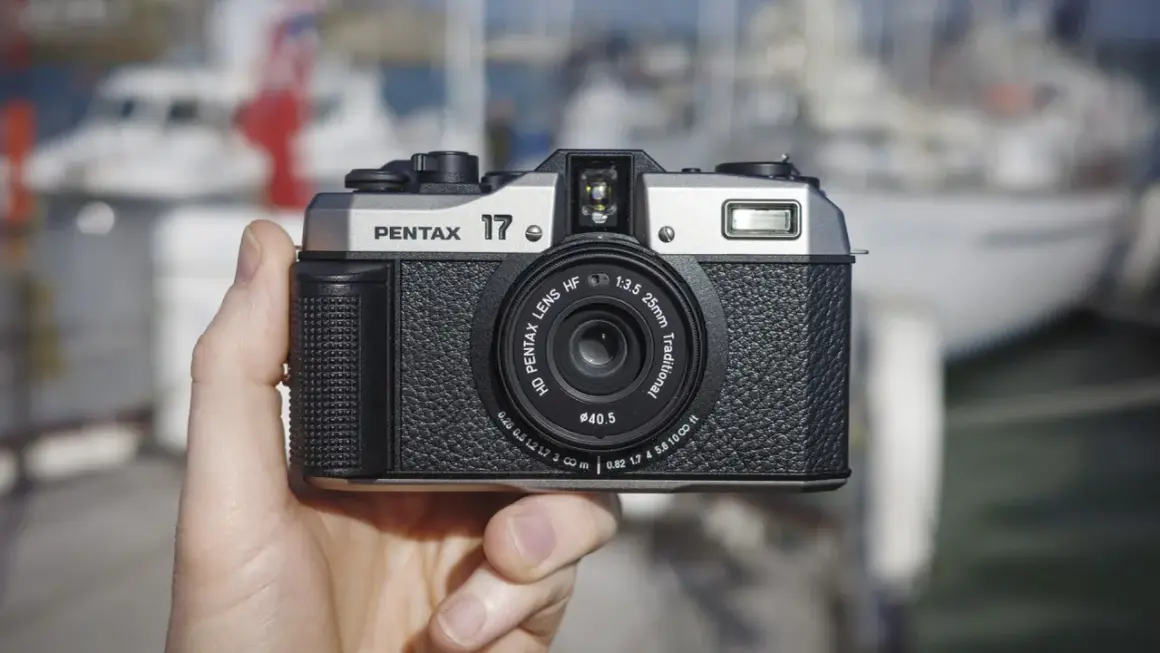
There is no single highest quality film camera for every photographer. If I strip the question down to what actually changes the final image, I get three things: film format, lens quality, and mechanical precision. The rest is usually a tradeoff between image ceiling, speed, size, and how much discipline the camera asks from you.
Key takeaways for choosing a premium film camera
- For pure detail, large format sits above everything else, and medium format is the practical sweet spot.
- The body matters, but lens quality, film stock, development, and scanning often matter just as much.
- The Leica M-A is the cleanest pure-mechanical 35mm rangefinder in the conversation.
- The Nikon F6 is the most capable 35mm SLR if you want automation and pro handling.
- The Hasselblad 500CM is still a benchmark for modular medium format and 6x6 negatives.
- The Pentax 645N gives serious medium-format quality with a friendlier workflow and 16 frames per roll.
What “highest quality” really means in film photography
When photographers talk about quality, they usually mean different things at once. Sometimes they mean maximum detail and tonal depth. Sometimes they mean the most accurate mechanical performance. Sometimes they mean the camera that produces the most consistent results without making the process feel like work. I separate those into two buckets: image quality and shooting quality.
If I am judging only the negative, not convenience, large-format cameras sit at the top because the film area is so much larger. Medium format is where most people find the best balance of image quality, cost, and usability. 35mm can still look excellent, but it wins more often on speed, portability, and ease of shooting than on pure resolution.
That distinction matters, because it changes whether I recommend a view camera, a rangefinder, or an SLR.
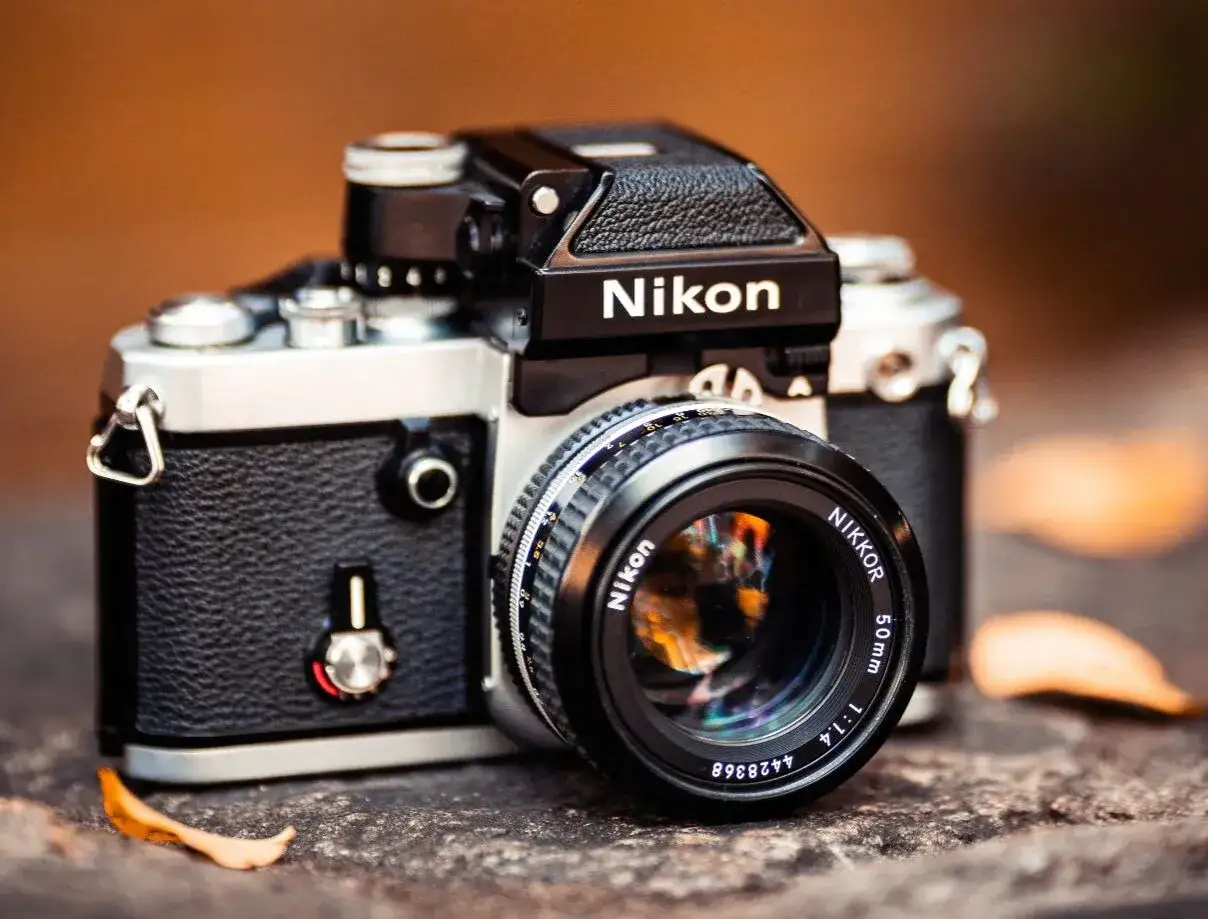
The film cameras that deserve a top-tier comparison
I would group the serious contenders into five levels, from the most demanding image-quality option to the best all-round 35mm body. On current U.S. used listings, the market reflects that hierarchy. KEH currently puts Leica M-A bodies around the $5,000 to $7,000 range, Nikon F6 bodies around $1,600, and Hasselblad 500CM bodies around $757 to $1,084; Pentax 645N bodies usually land below the Leica and Hasselblad tier. Price alone does not equal image quality, but it does tell you what the market thinks is scarce, desirable, and expensive to maintain.
| Camera or system | Why it belongs here | Main compromise | Best fit |
|---|---|---|---|
| 4x5 view camera | Largest practical step up in negative size, with unmatched control over perspective and plane of focus | Slow, bulky, and demanding; the learning curve is real | Fine art, landscape, architecture, product work |
| Hasselblad 500CM | 6x6 medium format, modular backs and finders, and leaf-shutter Zeiss lenses with 1/500s flash sync | Slower workflow and a system that gets expensive once you build it out | Studio portraits, editorial work, deliberate shooting |
| Pentax 645N | Medium-format quality with autofocus, matrix and spot metering, and 16 frames per roll | Smaller negative than 6x6, and it depends on batteries | General-purpose medium format, travel, portraits |
| Nikon F6 | The most advanced 35mm SLR in the conversation, with pro handling and excellent metering | 35mm still has a smaller negative, no matter how good the body is | Action, documentary, hybrid workflows, fast general use |
| Leica M-A | A fully mechanical rangefinder with no battery, no meter, and a very refined build | Meterless, manual, and expensive once you start buying M lenses | Street, travel, quiet manual shooting |
If I had to compress that into one line, I would say the Hasselblad 500CM is the classic image-quality answer, the Pentax 645N is the practical compromise, the Nikon F6 is the best 35mm tool, and the Leica M-A is the purest manual experience. That ranking is useful, but it still does not answer the more important question: what part of the system actually makes the negative look better?
Why the body is only part of the quality equation
The body sets the mechanics, but the lens and the film decide a surprising amount of the final look. A superb 35mm camera with a mediocre lens will not out-resolve a clean medium-format negative shot on good glass, and a beautiful negative can still be flattened by poor development or a sloppy scan.
- Lens affects contrast, corner sharpness, flare resistance, and the way detail holds together at the edges.
- Film stock changes grain, latitude, and color response, which is why the same camera can look very different from one roll to the next.
- Development controls how much shadow detail and highlight separation survives the lab stage.
- Scanning or printing can either preserve what the negative contains or throw away half of it.
- Maintenance matters more than people want to admit; shutter timing, light seals, and film flatness all affect consistency.
That is why I am cautious when someone treats a camera body like a magic object. Film photography is a chain, and the chain is only as strong as its weakest link. Once those links are clear, choosing a camera becomes a format and workflow decision, not a mythology contest.
How I would choose in 2026
If I were buying today and wanted the best possible result for a realistic budget, I would choose by use case rather than by brand loyalty. The camera has to fit the pace of the work, or it will spend too much time on the shelf.
- Maximum image quality with a manageable system: Hasselblad 500CM.
- Best balance of quality, speed, and value: Pentax 645N.
- Best 35mm SLR for serious work: Nikon F6.
- Best mechanical rangefinder experience: Leica M-A.
- Absolute image-quality ceiling: a 4x5 view camera if you can live with the pace.
For studio portraits, I like the Hasselblad approach because 6x6 gives you room to crop and the leaf shutter helps when you are working with strobes. For travel or documentary work, I would rather carry a camera that gets used often than a camera that only impresses in a dry cabinet. That is why the final buying decision should be based on how you work, not on which model has the most reputation.
Common buying mistakes that erase quality
The easiest mistakes are predictable, and they are expensive. They usually happen when the buyer focuses on the badge on the front of the camera instead of the condition of the system behind it.
- Buying a clean-looking body and ignoring the lenses, back, meter, or viewfinder you still need.
- Skipping service history and assuming the shutter is accurate just because the camera turns on.
- Confusing cosmetic wear with mechanical wear, or the reverse.
- Underestimating the cost of a CLA, which means clean, lubricate, adjust, and is often worth budgeting at roughly $200 to $400 for a serious used body.
- Expecting a premium body to solve a weak scan, a bad lab, or careless exposure choices.
One practical rule I follow is simple: if a camera is expensive because it is old and desirable, I treat service as part of the purchase price. That habit saves more money than chasing the lowest sticker price ever will.
The shortlist I would start with in 2026
If I wanted the strongest possible result without turning the hobby into a maintenance project, I would start with three questions: how much detail do I need, how much weight am I willing to carry, and do I want automation or mechanical purity?
My shortlist is short for a reason. Too many camera recommendations are really just brand nostalgia dressed up as advice.
- Hasselblad 500CM if you want the most respected all-around medium-format look and you are happy with a slower pace.
- Pentax 645N if you want serious quality with a more forgiving workflow and better frame count per roll.
- Nikon F6 if you want the finest 35mm SLR body and value metering, autofocus, and handling.
- Leica M-A if you want the most stripped-back, beautifully made manual rangefinder experience.
For most photographers, the smartest move is to choose the format first and the brand second. If your goal is the highest quality film camera for your style, I would start with the negative size you need, then judge the lens ecosystem, service history, and how much the workflow will actually get used.