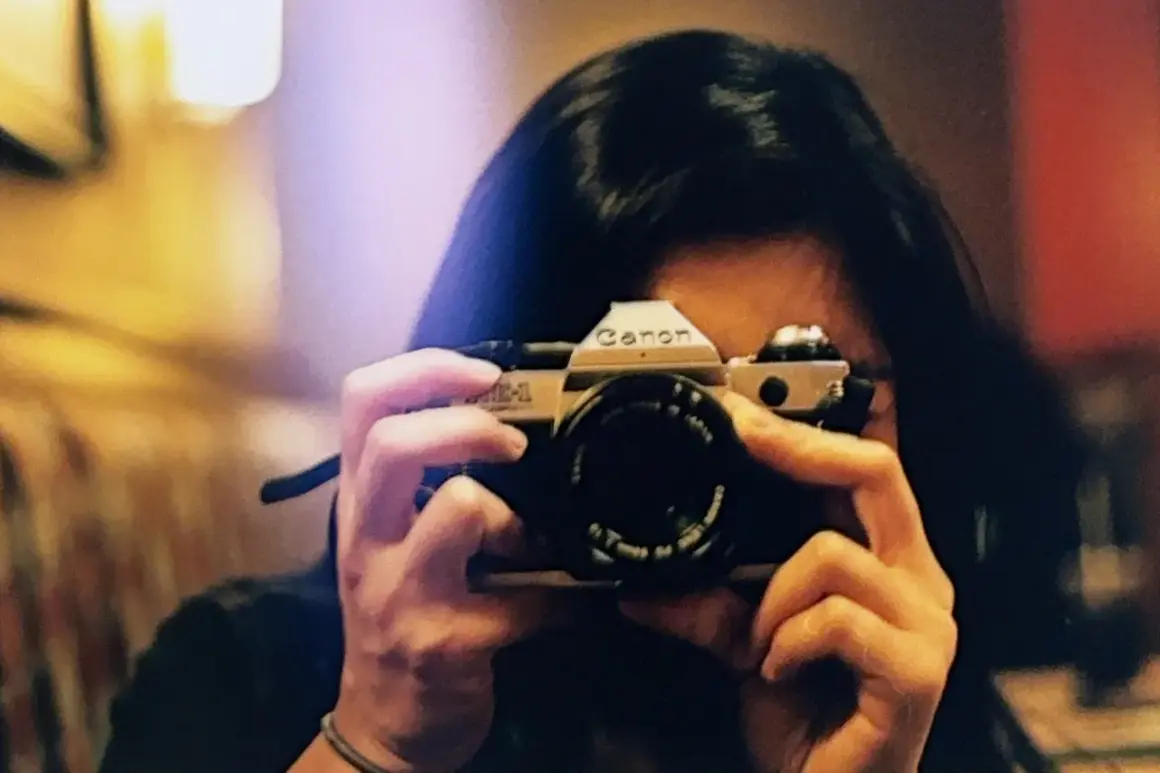
Fast recommendations for the Canon AE-1
- Kodak Ultramax 400 is the easiest all-around choice if you want one roll that handles daylight and indoor light well.
- Kodak Gold 200 is better for bright outdoor shooting and a warmer, more nostalgic color palette.
- Kodak Portra 400 is the premium option when you want smoother tones, softer contrast, and more exposure latitude.
- Ilford HP5 Plus 400 is the safest black-and-white pick because it is forgiving, versatile, and easy to process.
- Kodak Tri-X 400 gives a harder, more classic documentary look with strong grain and character.
- For most AE-1 users, ISO 200 to 400 is the sweet spot because it keeps the camera flexible without forcing you into tripod territory too often.
What the AE-1 actually asks of a film stock
The AE-1 is not picky about emulsion brands; it cares about a standard 35mm cartridge and a film speed that matches the light. The camera lets you set film speed on the ASA dial, which is the older term for ISO, and its aperture-priority automation means you choose the aperture while the body picks the shutter speed.
That is why I do not chase exotic stock first. Lower-speed films such as ISO 100 or 200 look excellent in strong daylight, while ISO 400 gives the AE-1 more breathing room indoors and in variable weather. Film speed is simply how much light the stock needs, and the wrong choice can force the shutter too slow or push grain and contrast farther than you intended. Once that tradeoff is clear, the choice of specific rolls becomes much easier.
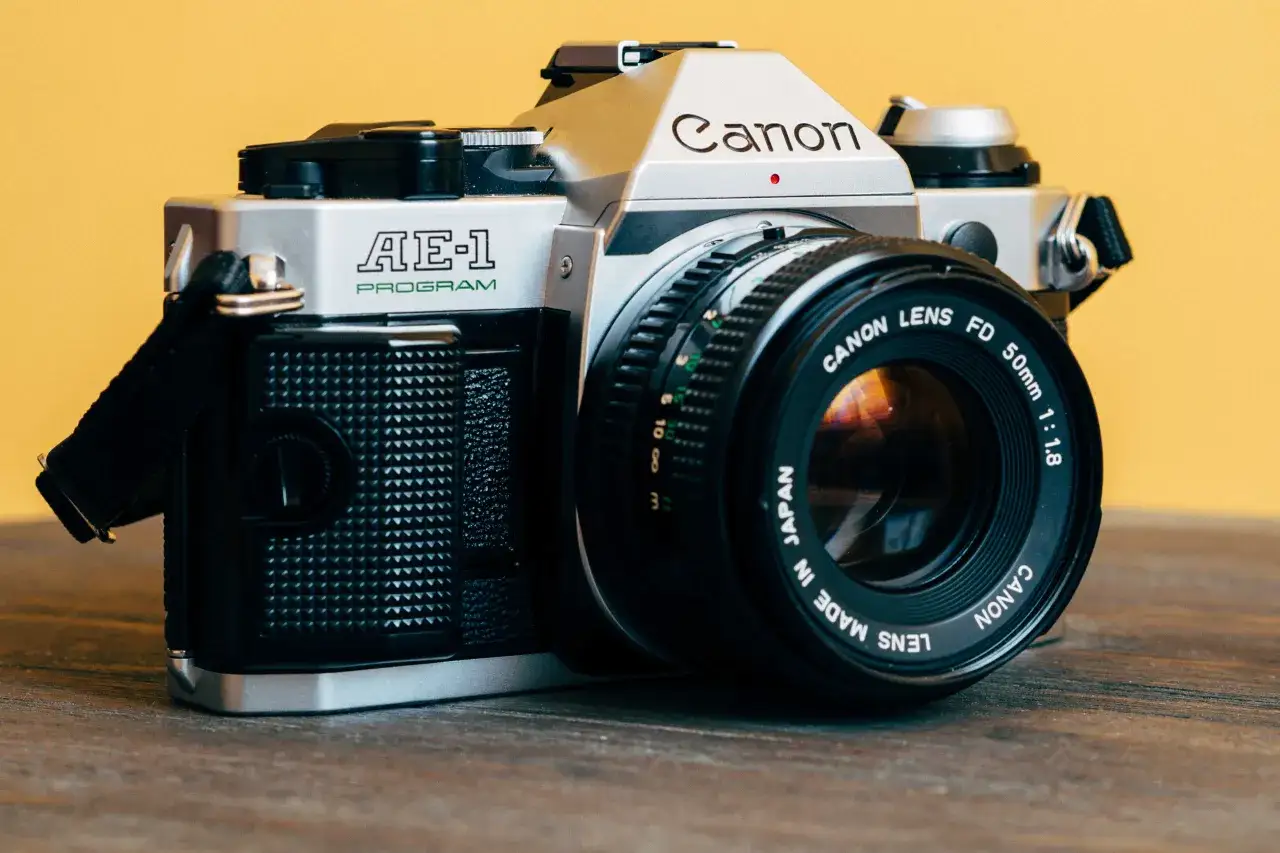
The rolls I would buy first for the Canon AE-1
| Film | Why it fits the AE-1 | Best use | Typical U.S. price |
|---|---|---|---|
| Kodak Ultramax 400 | Forgiving exposure latitude, rich color, enough speed for mixed light | Everyday color, travel, street, family photos | About $9-$12 per 36-exposure roll |
| Kodak Gold 200 | Warm color, fine grain, cheaper than premium stocks | Sunny outdoor shooting, casual color, daylight portraits | About $8-$10 per 36-exposure roll |
| Kodak Portra 400 | Low contrast, smooth skin tones, strong latitude | Portraits, mixed light, situations where scanning quality matters | About $17-$20 per 36-exposure roll |
| Kodak Ektar 100 | Very fine grain and high sharpness with vivid color | Landscapes, architecture, clean daylight scenes | About $14-$16 per 36-exposure roll |
| Ilford HP5 Plus 400 | Wide latitude, classic black-and-white look, easy to push | Street, documentary, everyday monochrome | About $10-$12 per 36-exposure roll |
| Kodak Tri-X 400 | Iconic grain, stronger contrast, plenty of character | Street, reportage, moodier black-and-white work | About $9-$12 per 36-exposure roll |
If I had to rank those by pure utility, Ultramax 400 is my default, Portra 400 is the premium color choice, and HP5 Plus is the black-and-white roll I would trust first. Gold 200 is better when the light is clean and bright, Ektar 100 is the one I would take outdoors when detail matters, and Tri-X is the film I choose when I want a little more grit and attitude. In today’s U.S. market, the price gap matters: budget rolls usually sit around $8-$12, while Portra 400 is often closer to the high teens per 36-exposure roll.
That ranking shifts as soon as the light changes, which is why the next decision is really about ISO rather than brand.
How to match film speed to the light you actually shoot in
ISO 100 and 200 are easiest to love in bright daylight because they keep grain low and color clean. ISO 400 is the safest general-purpose setting for the AE-1 because it lets me shoot in more places without immediately reaching for flash or a tripod.
- ISO 100 works best for beaches, architecture, landscapes, and hard midday sun.
- ISO 200 is a strong choice for travel and everyday outdoor shooting when you want a little more flexibility.
- ISO 400 is the best compromise for street work, family photos, cloudy weather, and mixed light.
- ISO 800 and above help in indoor evening light, but you pay with more grain, higher cost, and less room for exposure mistakes.
Push processing can rescue a low-light roll, but it is not a magic trick. It means rating a film faster than box speed and asking the lab to develop it accordingly, which usually buys shutter speed at the expense of grain and contrast. For the AE-1, that tradeoff makes sense only when the scene really needs it. From here, the more interesting question is what look you want the negatives to have in the first place.
Color negative, black and white, or slide film
For most AE-1 shooters, color negative is the safest starting point because it has the widest practical exposure latitude. Exposure latitude is the amount of over- or underexposure a film can tolerate before the image falls apart. Black and white is more forgiving than many beginners expect, but it changes the whole visual language of the camera. Slide film is the most precise and the least forgiving, which makes it beautiful in the right hands and frustrating in the wrong ones.
| Film type | What it gives you | What it asks from you | My take for the AE-1 |
|---|---|---|---|
| Color negative | Natural color, strong latitude, easier scanning | Basic exposure discipline and lab processing | Best first choice for most people |
| Black and white | Shape, tonality, classic grain, cheaper creative experimentation | Comfort with contrast and a monochrome workflow | Excellent if you want the AE-1 to feel more deliberate |
| Slide film | Rich transparencies, precise color, strong slide look | Very accurate exposure and usually higher processing cost | Worth it later, not as a first roll |
In the U.S., I would budget roughly $12 to $25 per roll for lab processing once scans and service level are included, with simple develop-only orders on the lower end and slide film or rush service at the higher end. That is one reason I do not recommend E-6 as the default starting point on an AE-1. Color negative also tends to scan more gracefully, which matters if your lab’s automatic corrections are inconsistent or if you plan to edit the files later.
The mistakes that make a good AE-1 roll look average
- Choosing ISO 100 for everything. It looks great in sun, but it becomes limiting the moment you move indoors or the weather turns flat.
- Underexposing color negative film because you are thinking like a digital shooter. Negative film usually prefers a little extra exposure rather than a little less.
- Expecting high-speed film to solve shaky hands or poor light on its own. Faster film helps, but it does not replace good stance, a steady shutter press, or flash when needed.
- Buying a famous stock without checking lab access. The AE-1 is simple, but your local processing options in the U.S. still shape the final result.
- Using slide film too early. E-6 can look spectacular, yet it punishes sloppy exposure and adds cost fast.
If I want the AE-1 to look better with very little effort, I usually start by giving it a forgiving 400-speed negative and shooting a little more deliberately. That small decision fixes more bad rolls than any lens upgrade ever will.
What I would load first before a first AE-1 outing
For a first outing, I would load Kodak Ultramax 400 and treat it as the camera’s everyday answer. If the weather is bright and I want cleaner grain, I would move to Gold 200; if I want the most polished color negative look, Portra 400 is the upgrade; and if I want monochrome, HP5 Plus is the one I trust most.
- One roll for everyday color: Kodak Ultramax 400
- One roll for bright daylight: Kodak Gold 200
- One roll for premium color and portraits: Kodak Portra 400
- One roll for black and white: Ilford HP5 Plus 400
That is the simplest way to approach the AE-1 without overthinking it. Start with a forgiving 400-speed film, keep a 200-speed roll for sunny days, and only move into slide film once you already know how your meter, lens, and local lab behave together. The camera rewards that kind of restraint.