The practical takeaways at a glance
- The original XA is the pocket choice, the 35 SP is the feature-rich choice, and the 35 RC is the simple middle ground.
- Most of these cameras reward a direct, deliberate shooting style rather than fast snap-shooting.
- The rangefinder patch is the main skill to learn. Once focus clicks, the cameras feel faster than scale-focus compacts.
- Used-condition matters more than badge appeal. A clean, tested body is worth more than a pretty but sticky one.
- For film, ISO 400 is the safest all-round load, while ISO 100 or 200 shines in daylight.
What this camera family actually is
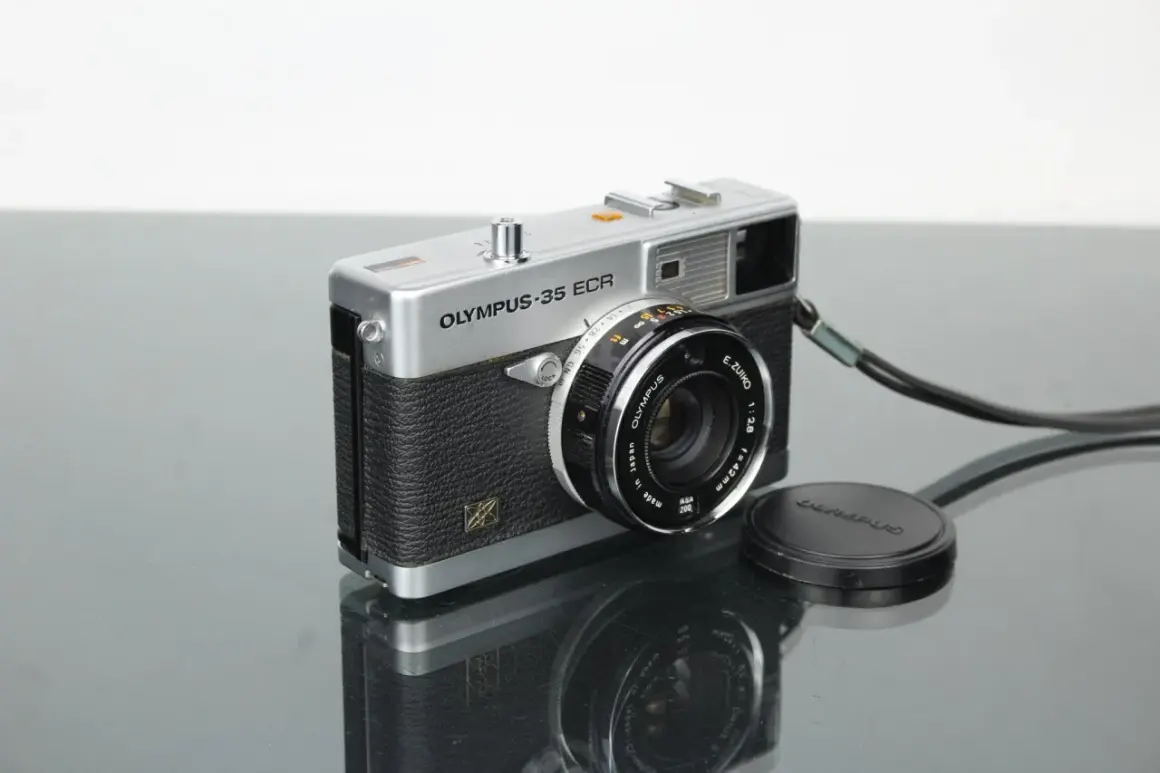
When people talk about Olympus’s classic rangefinder cameras, they usually mean the fixed-lens 35mm bodies that made the brand famous with film shooters: the 35 SP, the 35 RC, and the XA. These are not interchangeable-lens systems. They are compact, self-contained cameras built around one lens, one viewfinder, and one focusing system that lets you align the subject in the rangefinder patch before you press the shutter.
That design matters because it changes how the camera feels in use. You are not juggling a bag of lenses or a complicated menu system. You are working with a single tool that encourages a simpler rhythm. For me, that is the real appeal. The camera disappears into the process, but the image quality and focusing precision stay surprisingly high. That balance is why these bodies still have a loyal following among film photographers in the United States and beyond. The distinction matters, because the best model for you depends on whether you value compactness, control, or outright convenience.
The models that matter most
If you are comparing Olympus’s classic rangefinder bodies, focus on the ones that still make practical sense today. The table below is the shortest honest version of the lineup.
| Model | What it feels like | Strengths | Tradeoffs | Best fit |
|---|---|---|---|---|
| 35 SP | Feature-rich and confident | 42mm f/1.7 lens, spot metering, manual and automatic exposure, bright finder | More complex, usually pricier, depends more on electronics | Photographers who want one compact camera that can do almost everything |
| 35 RC | Simple and nimble | 42mm f/2.8 lens, shutter-priority convenience, manual fallback, small body | Finder is smaller and less forgiving, lens is slower | People who want a light, no-nonsense travel camera |
| XA | Truly pocketable | 35mm f/2.8 lens, coupled rangefinder, very quiet operation, tiny body | Very small viewfinder, more cramped handling, electronics matter | Street photographers and everyday carry shooters |
One common point of confusion is the XA family. The original XA is the true rangefinder. The later XA1, XA2, XA3, and XA4 are useful cameras in their own right, but they are not the same thing. If your goal is to learn or enjoy rangefinder focusing, the original XA is the one that belongs in the conversation.
My quick read is simple. The 35 SP is the most complete tool, the 35 RC is the easiest to live with, and the XA is the one you will actually carry when you do not want a camera getting in your way. That tradeoff is where the real decision starts, so the next step is choosing the body that matches your style.
How to choose the right one for your shooting style
I would choose based on how you shoot, not on which model sounds most collectible. That saves money and usually leads to better photographs.
- Choose the 35 SP if you want the richest feature set, especially the 42mm f/1.7 lens and the spot-metering option. It is the best fit if you like to meter carefully and want more control over exposure.
- Choose the 35 RC if you want something smaller, easier, and less intimidating. It gives you a strong balance of portability and manual control without the same complexity as the SP.
- Choose the XA if pocketability is the whole point. It is the camera I would want for daily carry, travel days, and situations where a bigger body would stay at home.
- Skip the original XA only if you strongly prefer a larger finder or you know you dislike compact camera handling. Its brilliance is also its limitation. The tiny body is wonderful until you want a more relaxed viewfinder.
There is another practical angle here. A faster lens is not just about shallow depth of field. On film, it gives you a little more room to work when the light drops or when you do not want to push your stock. That is why the 35 SP still feels special. The RC and XA are less ambitious optically, but they are easier to carry and more discreet in real life. That is the part spec sheets do not capture, and it leads straight into how these cameras behave on actual rolls of film.
How to shoot it well on film
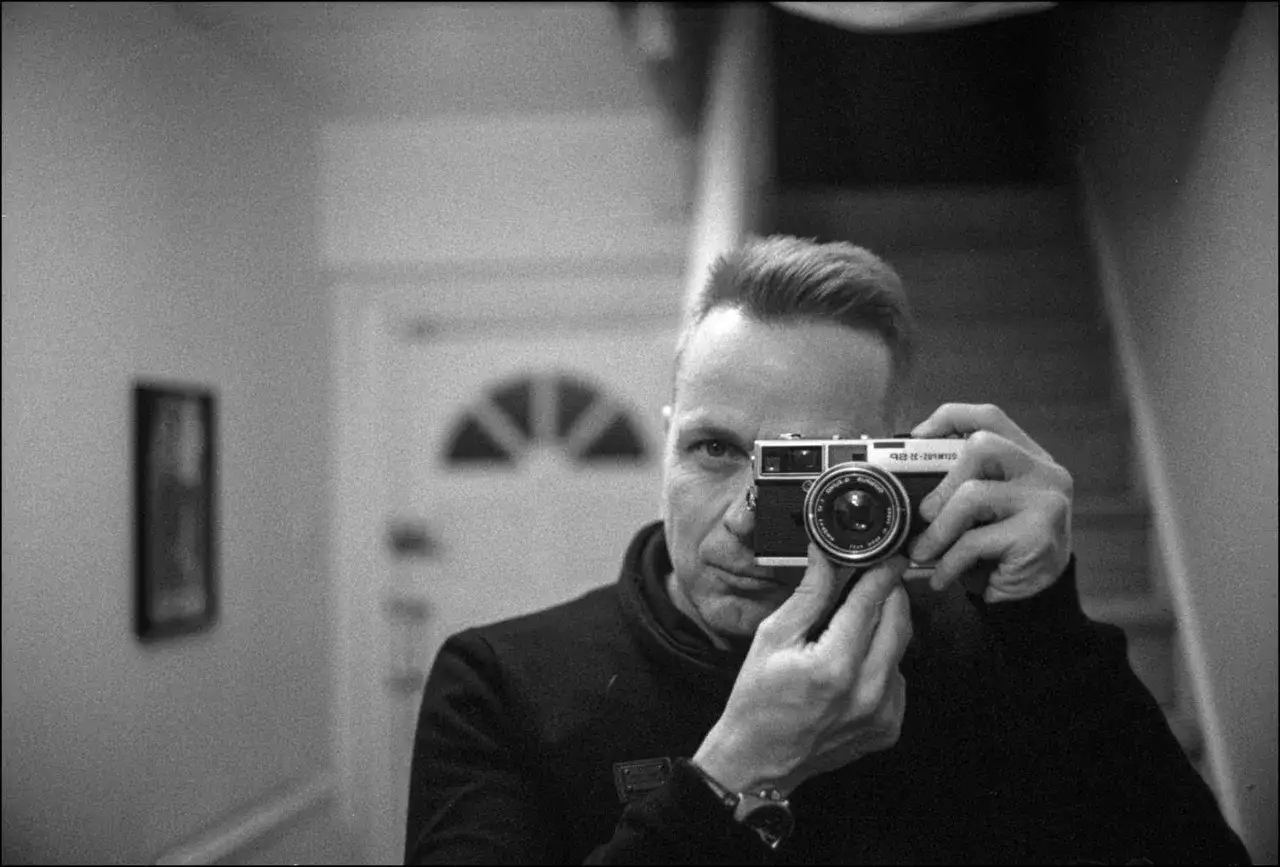
Rangefinder shooting is not hard, but it rewards a deliberate habit. I think of it as a three-step rhythm. First, line up the double image in the focus patch. Second, check your framing with the understanding that close subjects will shift slightly because the viewfinder sits above and beside the lens. Third, press the shutter smoothly instead of snatching it. That last point matters more than people admit, because these small leaf-shutter cameras can be very sharp when you do not shake them.
Film choice should match the lens and the light. In bright daylight, ISO 100 or 200 color negative film works beautifully. For general use in the U.S., I would keep ISO 400 loaded most of the time because it gives you more flexibility indoors, in shade, and at dusk. If you are using the 35 SP, the f/1.7 lens gives you more breathing room in lower light. If you are using the XA or 35 RC, I would treat ISO 400 as the baseline and move faster only when the scene really asks for it.
Here is the practical pairing I reach for most often:
- Street and travel with Kodak Ultramax 400 or similar ISO 400 color negative film.
- Daylight and clean tones with Kodak Gold 200 or another ISO 200 stock.
- Portraits and mixed light with Portra 400 if you want softer latitude and easier scanning.
- Black and white with HP5 Plus or Tri-X 400 when you want more flexibility in changing light.
There is one more thing I tell people: do not ignore parallax. When you shoot close, the subject you see in the finder is not exactly the subject the lens sees. Most of these cameras include framing marks for close distances, and I would use them without hesitation. That small adjustment keeps faces, hands, and near objects from drifting out of the final frame. Once that habit clicks, the camera becomes much more predictable, which is exactly what you want from a vintage body.
What to check before buying used
Buying any vintage Olympus compact is less about hunting a bargain and more about avoiding a repair bill disguised as a deal. I would look at function first, cosmetics second. A worn but working body is usually smarter than a shiny one with hidden problems.
| What you notice | What it often means | Why it matters |
|---|---|---|
| Dim or hazy finder | Dust, haze, or aging optics | Focus gets slower and less confident |
| Patch is hard to see | Low contrast or internal wear | Rangefinder focusing becomes frustrating, especially with glasses |
| Sticky shutter or slow speeds | Dried lubricants | Often fixable, but usually means service is needed |
| Meter does not respond | Battery issue or failed electronics | Important on automatic models, less forgiving on the XA |
| Light leaks or crumbling seals | Aging foam and seals | Common and usually repairable, but budget for it |
| Soft contrast, fog, or fungus in the lens | Storage damage | Can reduce image quality even if the camera still functions |
In the current U.S. used market, working copies usually land in broad bands rather than fixed prices. I am seeing 35 RC bodies around $90 to $160, original XA bodies around $130 to $220, and 35 SP copies more often around $170 to $300 or higher if they are serviced, boxed, or unusually clean. That spread is wide for a reason. Condition, meter health, and whether the seller has tested the camera matter more than the label on the front.
If you are buying from a seller who knows cameras, ask about a recent test roll, whether the meter behaves consistently, and whether the shutter speeds sound even. If the answer is vague, assume you are buying a project. A CLA, or clean, lubricate, adjust service, can rescue a good body, but it can also erase the savings from a cheap purchase. That is why I prefer a slightly more expensive camera with clear proof of function. It usually costs less in the end. From there, the last step is deciding which body deserves your money first.
The shortest path to a camera you will actually use
If I had to narrow it down for most film photographers, I would do it this way: buy the XA if you want true pocketability, buy the 35 RC if you want the cleanest balance of size and simplicity, and buy the 35 SP if you want the most capable all-around body. That is the cleanest way to separate emotional appeal from practical value.
For most photographers, an Olympus rangefinder earns its place when it is simple enough to carry and reliable enough to trust. That is the standard I would use before spending real money on a vintage body. If the camera fits your hand, the finder feels usable, and the lens and meter are healthy, you are looking at a tool that can still produce excellent film images without becoming a hobby project.