There is no single best black and white film for every camera or every subject. What matters more is how a roll handles grain, contrast, exposure latitude, and the kind of light you actually shoot in, because those details change the final image far more than the box art suggests. In this guide, I break down the strongest monochrome options, where each one makes sense, and what I would buy first in 2026 if I wanted dependable results in the US.
The fastest way to narrow the choice
- Ilford HP5 Plus is the safest all-around pick if you want one roll that works in most situations.
- Kodak Tri-X 400 is the classic choice when you want more bite, grain, and a harder-edged documentary feel.
- Kodak T-Max 100 gives the cleanest 35mm detail if you care about fine grain and sharp enlargements.
- Ilford Pan F Plus is the slow, refined option for bright light, tripod work, and very smooth tonality.
- Kentmere Pan 400 is the budget-friendly roll I would choose when cost matters more than prestige.
- Ilford XP2 Super is the practical answer if you want black-and-white images but need C-41 lab processing.
What makes one film better than another
When I evaluate black-and-white film, I look at four things first: speed, grain, latitude, and contrast. Speed is the ISO rating; grain is the visible texture in the negative; latitude is how much over- or underexposure the film can tolerate; and contrast is how strongly the film separates shadows, midtones, and highlights. The film that looks “best” on paper is not always the one that makes the strongest pictures in real life.
I also care about how a film behaves once it is scanned. Acutance means perceived edge sharpness, not just raw resolution, and it can make a negative feel crisp without looking sterile. A film with a gentle tone curve may print beautifully in the darkroom but need a different scan treatment than a more contrasty emulsion, so the final look is always a mix of film, developer, and workflow.
That is why I do not rank monochrome film as if there were one universal winner. I separate it into practical jobs instead, which makes the comparison far more useful for anyone buying film in the US right now.
The films I would compare first
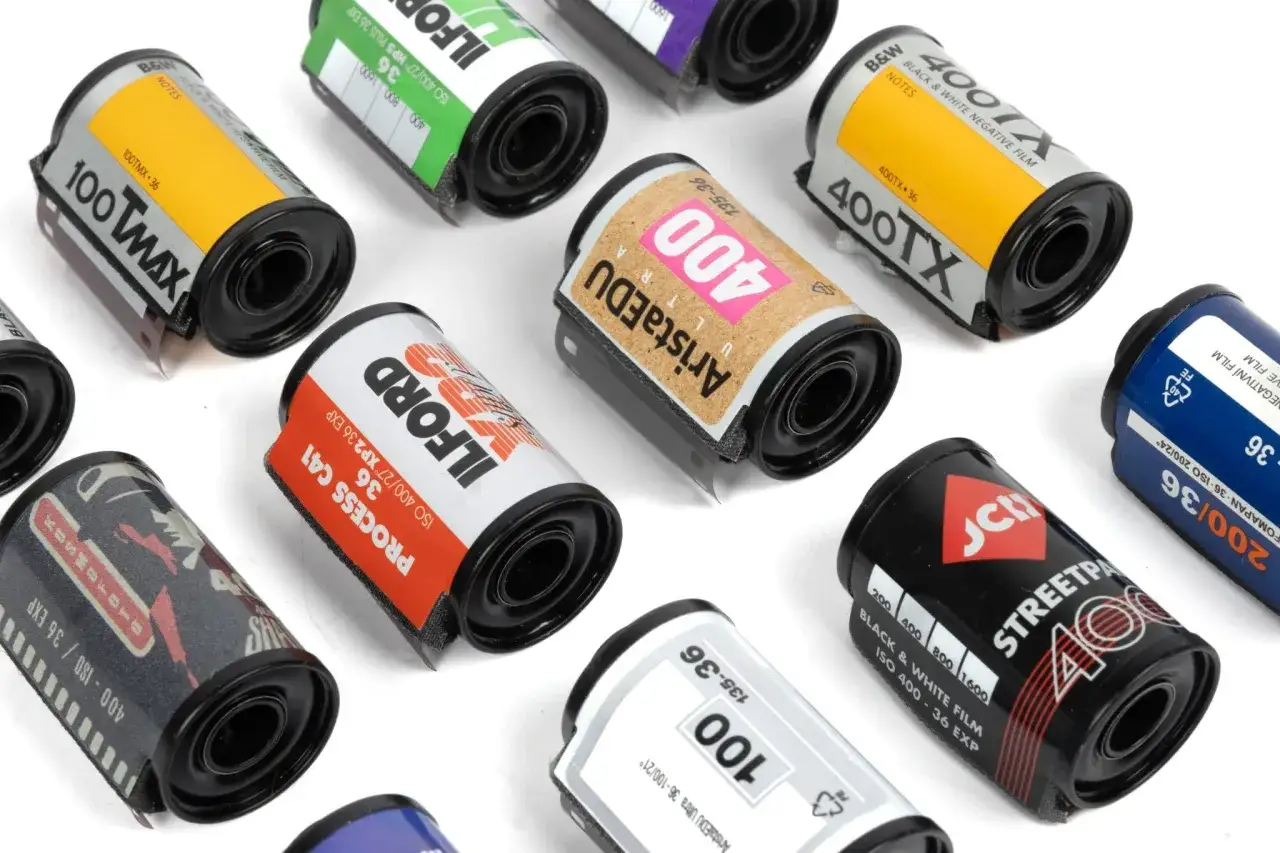
These are the stocks I would put on the shortlist before worrying about niche emulsions. The prices below are typical US street prices for 35mm, 36-exposure rolls in 2026, so think of them as current working ranges rather than fixed numbers.
| Film | ISO | What it looks like | Best for | Typical US price |
|---|---|---|---|---|
| Ilford HP5 Plus | 400 | Forgiving, medium contrast, classic grain | All-purpose shooting, documentary, travel, mixed light | $11 to $12 |
| Kodak Tri-X 400 | 400 | Classic contrast, visible grain, strong character | Street, reportage, moody daylight | $9 to $10 |
| Kodak T-Max 100 | 100 | Very fine grain, high sharpness, clean tonality | Landscapes, architecture, scanning, larger prints | $11 to $12 |
| Ilford Delta 100 | 100 | Polished grain, strong detail, refined tonal scale | Fine art, portraits, detail-rich scenes | $16 to $17 |
| Ilford FP4 Plus | 125 | Smooth midtones, fine grain, balanced contrast | Daylight general use, portraits, travel | $12 |
| Ilford Pan F Plus | 50 | Ultra-fine grain, high edge contrast, very crisp | Bright light, tripod work, architecture, studio | $17 to $18 |
| Kentmere Pan 400 | 400 | Honest grain, good latitude, slightly less refined | Budget shooting, practice, travel, bulk loading | $7.59 to $9 |
| Ilford XP2 Super | 400, C-41 | Fine grain, wide latitude, lab-friendly | Quick turnaround, mixed light, color-lab convenience | $17 to $18 |
If I had to add one more budget-friendly option, I would look at Fomapan 100. It is usually around the $8 mark, and it gives you a traditional black-and-white look without forcing you into premium pricing. Once you can see these films side by side, the next question becomes much simpler: which one matches the way you actually shoot?
How I would match film to the way you shoot
If you want one roll for almost everything
I would start with HP5 Plus. ISO 400 gives me room for overcast streets, indoor light, and the occasional bad exposure decision, and that flexibility matters more than people admit. It is the film I would trust when I want to shoot, not manage a test chart.
Tri-X is the alternate answer if you want more visible grain and a slightly harder classic look. I like it when the subject can carry more attitude and the scene benefits from stronger separation between darks and lights.
If you want the cleanest detail
T-Max 100 and Delta 100 are the serious fine-grain options. T-Max 100 feels a little more clinical to me, which is not a flaw when the subject is architecture, product work, or a landscape with lots of detail. Delta 100 is equally refined but tends to feel a touch more organic in the tonal transitions.
These slow films reward careful metering. If you expose them cleanly, they can look exceptionally sharp; if you rush the process, they expose the weakness in your technique immediately.
If you shoot slow and deliberate
Pan F Plus is the one I would choose when the scene is bright and I want the negative to feel almost carved. Its very fine grain and high edge contrast make it excellent for architecture, still life, and portraits in controlled light. The trade-off is obvious: when the light drops, this film asks for a tripod or a much more disciplined approach.
That limitation is exactly why it has a distinct look. A fast film can cover mistakes, but a slow one can reward precision in a way that feels almost luxurious.
Read Also: Ilford Delta 400 - Master This Refined Black & White Film
If your budget matters
Kentmere Pan 400 is the stock I would recommend to anyone who wants to shoot a lot without treating every frame like a small investment. It gives you usable grain, solid latitude, and a straightforward tonality that scans well enough once exposure is under control. Fomapan 100 is the other budget path when you want a slower roll and a slightly more traditional feel in good light.
These films are not trying to win on prestige. They win by letting you keep shooting, which is often more valuable than chasing the most polished emulsion on the shelf.
Once you match the stock to the way you work, the remaining variables become easier to control, and that brings us to the part many shooters underestimate: processing.
Why processing matters as much as the emulsion
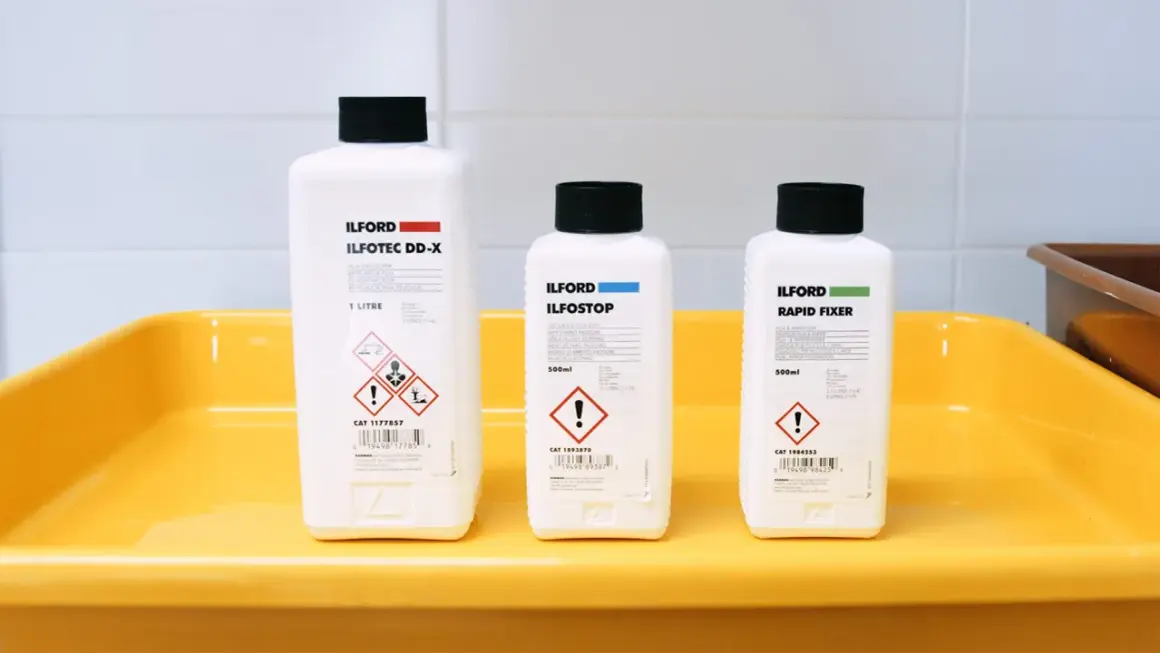
A developer is the chemical that turns the latent image into a negative, and it changes grain, contrast, and shadow separation more than beginners expect. A film like HP5 or Tri-X can feel very different in D-76, HC-110, Rodinal, or a modern fine-grain developer, even if the exposure was identical. That is why I never judge a film stock in isolation.
Push processing is another practical variable. It means rating the film at a higher ISO than box speed and extending development to compensate, which can help in low light but usually adds contrast and visible grain. HP5 Plus, Tri-X, and Delta 3200 are all common choices when I need that extra speed, while T-Max 100 or Pan F Plus make far less sense if I know I will be pushing hard.Scanning can also distort your impression of a film. Auto-contrast, aggressive sharpening, and bad inversion settings can make a great negative look flat or harsh, so I always tell people to test the workflow before blaming the emulsion. That is also why XP2 Super matters: if your lab only runs C-41, it gives you monochrome negatives without forcing a separate black-and-white chemistry setup.
In other words, the box on the shelf is only part of the story, and the next mistakes section is mostly about avoiding the traps that make good film look average.
The mistakes that make a good film look average
The first mistake is underexposure, especially with 400-speed film. People often expect the scanner to rescue shadows that were never truly recorded, and then they blame the film for muddy tones or harsh grain. In practice, a clean meter reading usually matters more than the brand name.
The second mistake is picking a slow film for a dark scene and pretending patience will fix it. Pan F Plus can look stunning, but not if you insist on handholding it in dim interiors and call the blur “character.” Speed exists for a reason, and the right speed is often the difference between a useful negative and a frustrating one.
The third mistake is confusing style with quality. Tri-X is not “better” than HP5 because it looks more dramatic, and T-Max is not “better” than Fomapan because it looks cleaner. They solve different problems, and once you accept that, you stop wasting money on the wrong roll.
The last mistake is buying a premium film before you know what you want from monochrome. I have seen plenty of photographers move straight to the expensive stock and then discover that the cheaper one actually fits their work better. That is why my final recommendation is less about prestige and more about building a simple, dependable starting kit.
The starter kit I would buy before chasing a perfect answer
- HP5 Plus for the one-roll-all-purpose slot.
- T-Max 100 for clean daylight detail and scanning.
- Kentmere Pan 400 for a cheaper roll you can shoot without hesitation.
If your lab only processes C-41, swap HP5 Plus for XP2 Super and keep the same logic. That is the point I keep coming back to: the film should fit your light, your lab, and your patience, not force all three to bend around the label on the box.