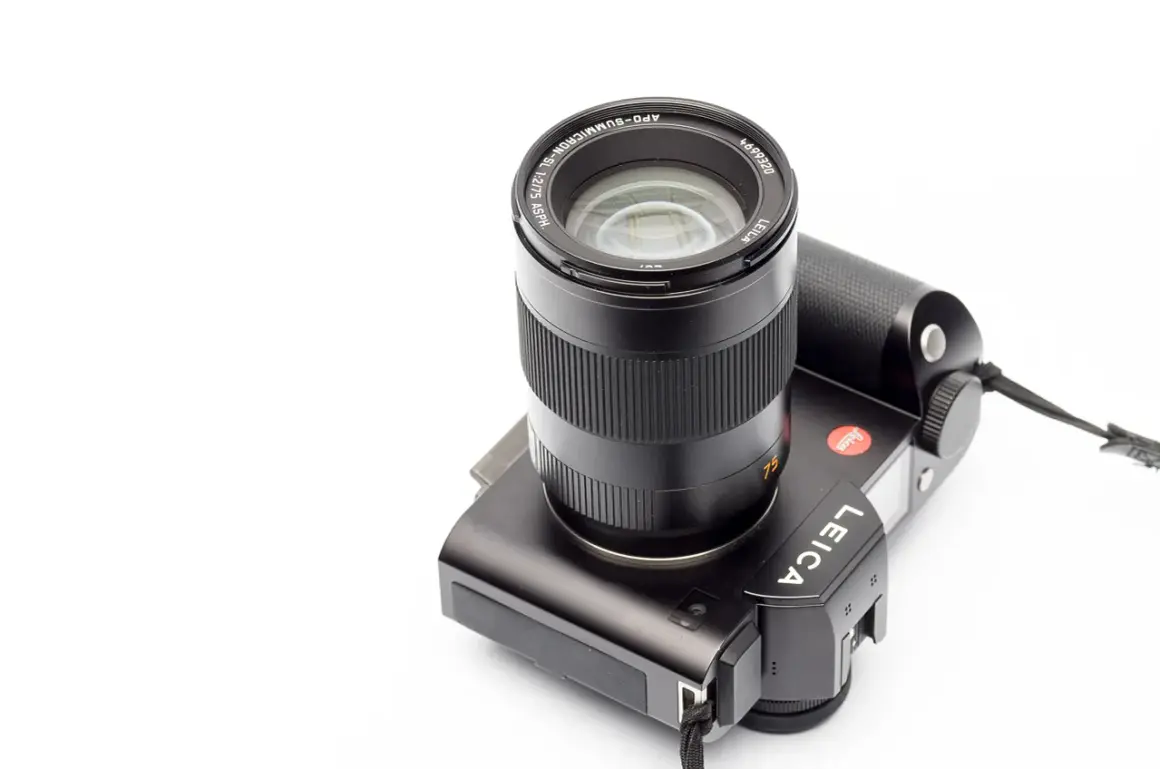
The Leica 75mm Summicron sits in a very useful middle ground: long enough to flatter faces and separate subjects cleanly, but still compact enough to carry on an M body all day. I am focusing on the current APO-Summicron-M 75 f/2 ASPH. here, because that is the version most buyers mean today, and it is the one that tells you the most about how this focal length behaves in real work. You will find the core specs, the main tradeoffs, and a practical guide to filters so you know what helps and what just adds bulk.
The essentials at a glance
- Current reference model: the APO-Summicron-M 75 f/2 ASPH. for Leica M bodies.
- Core strengths: natural-looking portrait compression, very clean color, and smooth background separation.
- Key specs: 7 elements in 5 groups, 1 aspherical surface, 0.7 m minimum focus, and an E49 filter thread.
- Real-world feel: compact at about 430 g, with an integrated extendable hood that does a lot of the flare control for you.
- Best filter strategy: use a clear/UV protector only when you need protection, then add ND or CPL only for a specific job.
- Buying logic: if you are choosing between 75 mm and 90 mm, the 75 usually gives more breathing room in smaller spaces.
What the current 75mm Summicron is built to do
When people talk about this lens, they usually mean the current APO version, not just any 75mm Leica telephoto. I care about that distinction because the APO-Summicron-M 75 f/2 ASPH. is the lens that defines the reputation of the 75mm class: compact, manual focus, apochromatically corrected, and tuned for clean separation rather than brute-force reach.
Leica's technical data makes the intent very clear. The lens is designed for the M system, uses 6-bit encoding on digital bodies, and keeps the body small enough to stay balanced on a rangefinder camera. In practice, that matters more than a lot of people admit. A lens can have beautiful optics and still feel awkward if it turns the camera into a front-heavy brick.
| Spec | What it means in practice |
|---|---|
| 75 mm focal length | Gives a natural portrait perspective with enough subject separation to calm busy backgrounds. |
| f/2 to f/16 aperture range | Bright enough for available light work, but still predictable for manual exposure. |
| 7 elements in 5 groups | A compact optical formula that keeps the lens small without giving up correction quality. |
| 1 aspherical surface | Helps control sharpness and aberrations without making the lens oversized. |
| 0.7 m minimum focus | Good for head-and-shoulders framing and detail work, not a macro substitute. |
| Largest reproduction ratio 1:7 | Close enough for portraits and product accents, but not close enough for tiny detail extraction. |
| E49 filter thread | Makes filter sourcing easy and keeps the front end relatively compact. |
| Integrated, extendable hood | Helps with flare and stray light before you reach for extra accessories. |
| Approx. 430 g | Light enough to keep an M body comfortable for long shoots. |
If you buy used, confirm the exact version before you compare prices. Older 75mm Summicron-M lenses can be very good, but they do not handle or render exactly the same way, and that difference matters more than a lot of spec-sheet chatter. From there, the real question is how the focal length feels in front of a person, not on a product page.
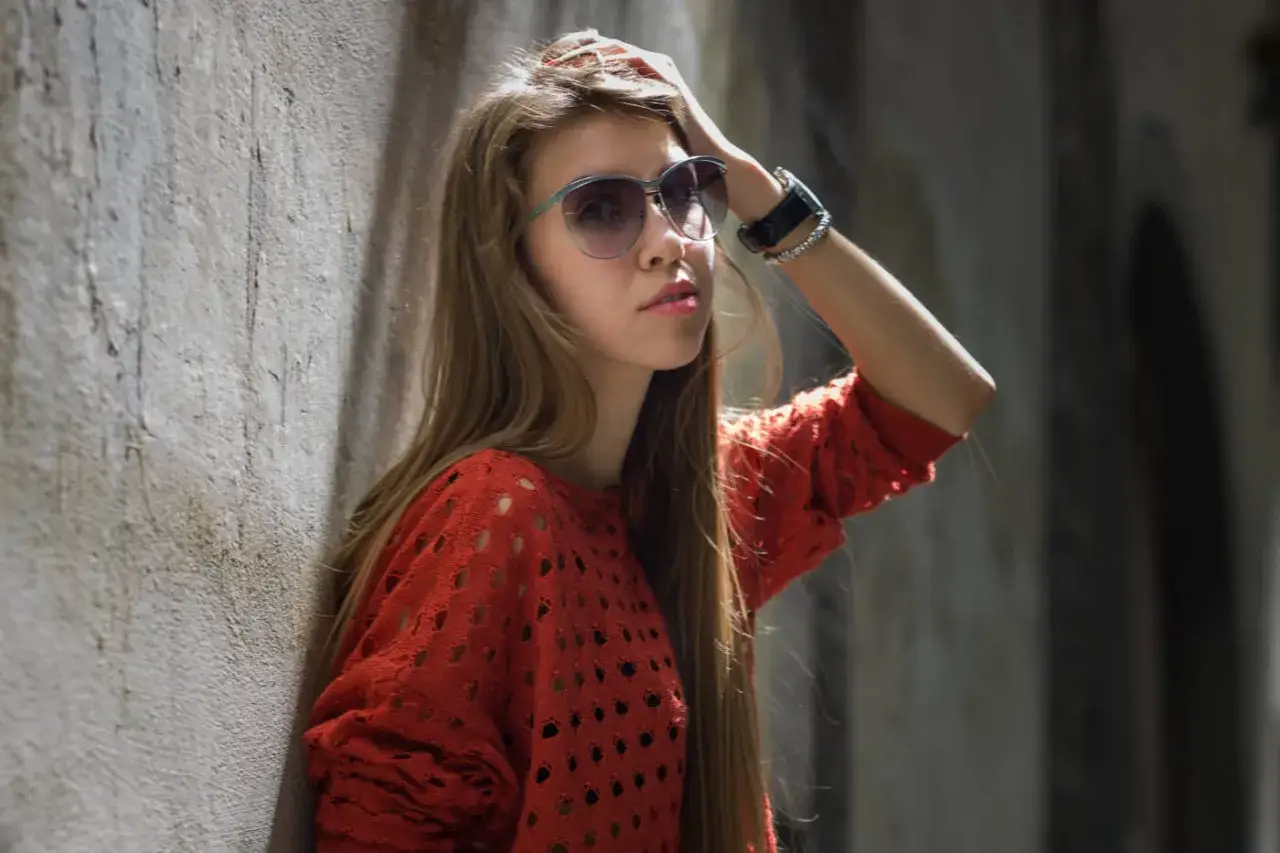
How it behaves in portraits and documentary work
In real shooting, this lens rewards distance control. It lets me stand far enough back to avoid crowding a subject, but not so far that the image loses intimacy. That balance is why the 75mm class has such a strong reputation for portraits, editorial stills, and quiet documentary work.
Portraits that feel close without crowding
This is where the lens earns its keep. A face at 75 mm looks natural, not flattened, and the background falls away with a calm, deliberate blur. I like it most for head-and-shoulders portraits, three-quarter frames, and any situation where the subject needs breathing room. It is also a good choice for branded portraits and interview stills, because it gives separation without making the frame feel aggressively compressed.
Reportage and editorial stills
The 75mm perspective is useful when the story matters as much as the person. I can frame a subject with enough context to show environment, but still keep the image visually clean. That is a big reason this lens works well for documentary work where you want dignity and restraint rather than a dramatic telephoto look. It lets the subject stay in focus, literally and visually, which is harder to do with a longer lens in tight spaces.
Read Also: Best Four Thirds Lenses - Smart Picks for Olympus DSLRs
Where it is less forgiving
This is not the lens I would choose if I needed autofocus speed, close-contact shooting, or macro-style detail. The 0.7 m close-focus limit is useful, but it does not turn the lens into a pseudo-macro optic. And in crowded interiors, a 90mm can feel too tight, while a 50mm may feel too loose, so the 75 sits in the middle by design. That middle ground is exactly why filter choice matters less than intent, which is the next thing I would sort out.
Which filters make sense on the E49 front thread
Leica lists an E49 filter thread and an integrated hood on this lens, so I think about filters as tools for a specific job rather than a mandatory add-on. The hood should handle day-to-day stray light first. Filters should be there for protection, reflection control, or exposure control.
| Filter type | When I would use it | Tradeoff to keep in mind |
|---|---|---|
| Clear or UV protection | Travel, dust, weather, crowded documentary work, and situations where the front element is likely to get touched. | Adds another glass surface, so quality matters. I would only use a multicoated, low-profile version. |
| Circular polarizer | Glass, water, foliage, car paint, or any scene where reflections are distracting. | Usually costs about 1.5 to 2 stops of light and needs rotation, so it is not a casual add-on. |
| Neutral density | Bright daylight portraits, wide-open shooting, motion control, or video-style exposure management. | Essential if you want f/2 in sun, but cheap ND filters can damage contrast and color. |
| Diffusion filter | Subtle highlight bloom for portraits or motion work when you want a softer feel. | Easy to overdo. Too much diffusion strips away the lens's precision. |
If I am working in dust, crowd pressure, or weather, I use a high-quality multicoated clear or UV filter. If I need to control reflections, a circular polarizer is the right choice; if I want to stay at f/2 in daylight, an ND filter matters more than any protective accessory. I avoid stacking unless I have a very specific reason, because every extra layer can soften contrast and make flare harder to manage.
For black-and-white work, color filters can still change contrast, but on digital bodies I usually make that decision in post unless I want the effect baked in at capture. That leads directly to the bigger choice: whether 75 mm is the right portrait length for the way you actually shoot.
When I would choose it over a 50mm or 90mm lens
This is the comparison that matters most for buyers. A 75mm lens is not just a halfway point between 50 and 90. It is a real working length with its own balance of distance, compression, and flexibility. If you are deciding where to put your money, this is the lens relationship I would think through first.
| Situation | 75 mm lens | 90 mm lens | 50 mm lens |
|---|---|---|---|
| Tight interiors | More comfortable than a 90, with enough reach to shape the frame. | Often feels cramped unless you can step back. | Easiest to use when space is very limited. |
| Portrait look | Natural and flattering, with controlled separation. | More compression and a tighter, more isolated look. | More environmental, with less natural background blur. |
| Mixed documentary work | Strong choice if you want portraits and reportage from one prime. | Best when portraits are clearly the priority. | Best when context matters more than isolation. |
| Subject distance | Moderate, which makes subjects easier to work with. | Longer working distance, which can feel more formal. | Closer, which can feel more immediate but less selective. |
| Overall feel | Balanced and deliberate. | More specialized and compressed. | More general-purpose and open. |
If I were buying one Leica M telephoto prime for mixed work, I would take the 75 before the 90 unless I already knew I wanted the tighter look. I would take the 90 if the assignment was almost entirely portrait-driven and I wanted more compression. I would stay with a 50 if the environment had to remain part of the story. Once you know where the lens sits in that lineup, the rest is about setup discipline, because the lens rewards careful handling more than gadgetry.
How I would build around it in a lean portrait kit
I would keep the kit simple and let the lens do the work. The 75mm Summicron does not need a lot of support gear, but it does benefit from a few deliberate choices that protect contrast, reduce friction on set, and make the shooting flow more predictable.
- One high-quality E49 clear filter if you shoot in travel, weather, or crowded environments where the front element needs protection.
- One E49 circular polarizer if your work includes windows, water, or reflective surfaces.
- One neutral density filter if you want to shoot wide open in daylight without forcing a faster shutter speed than your subject or workflow can handle.
- The integrated hood extended by default, because it does a better job than most people give it credit for.
- A clean manual-focus workflow on digital M bodies, including proper 6-bit recognition and a habit of checking focus at the chosen aperture, not just at the widest setting.
The main reason I recommend this lens is simple: it gives me a controlled, highly readable image without forcing me into a heavy kit. If I were building a Leica M portrait setup now, I would treat the APO-Summicron-M 75 f/2 ASPH. as the core telephoto prime, not the exotic second choice. It is the lens I would buy when I want portraits, interviews, and documentary stills to look deliberate rather than merely sharp.
If you need autofocus, macro-like close work, or a lens that solves every scenario at once, I would spend elsewhere. If you want a compact M lens that makes faces feel natural, keeps color clean, and still gives you enough separation to shape the frame, this one makes a strong case for itself.