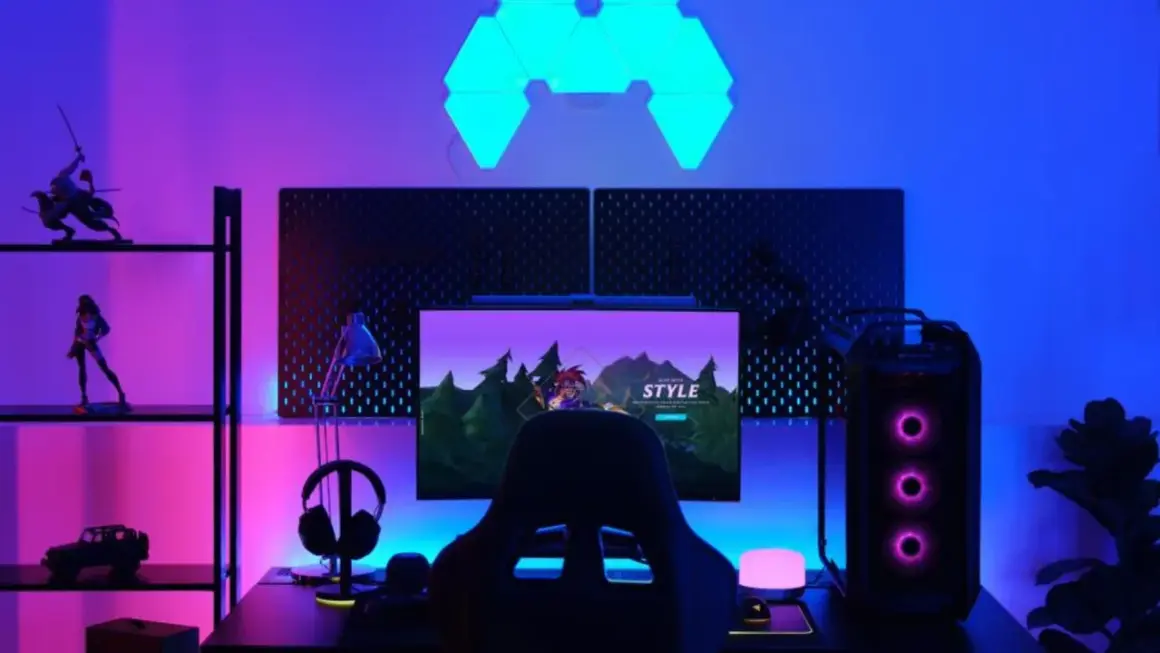
RGB lighting is one of those terms that sounds more technical than it really is. The short answer to what does rgb stand for in lighting is red, green, and blue, but the useful part is how those three channels are blended to create color, when that setup works well, and when a different option is the smarter buy. I’m also going to separate RGB from RGBW and RGBIC, because that distinction matters more than most product pages admit.
The short answer is simple, but the useful part is how RGB behaves in real lighting
- RGB stands for red, green, and blue, the three additive light channels behind most color-changing fixtures.
- RGB lighting creates color by blending those channels at different brightness levels.
- It is best for accents, mood, signage, event spaces, and creative production setups.
- RGBW or RGBWW is usually better when you need believable white light as well as color.
- RGBIC usually means individually controlled sections, which is useful for animated strip effects.
What RGB means in lighting
RGB is not a type of bulb color so much as a way of building color from light. In an RGB fixture, red, green, and blue are controlled as separate channels, which means the light can shift from a single hue to a wide range of colors without changing the hardware.
I usually explain it this way: RGB is an additive color system. You are not subtracting color the way paint does. You are adding light. That is why the same fixture can look deep blue in one moment, warm magenta in the next, and nearly white when all three channels are pushed together in the right balance.
Once you understand that basic idea, the rest of RGB lighting becomes much easier to read, both on a spec sheet and in real use. From there, the next question is how those channels actually mix into the colors you see.
How the color mixing actually works
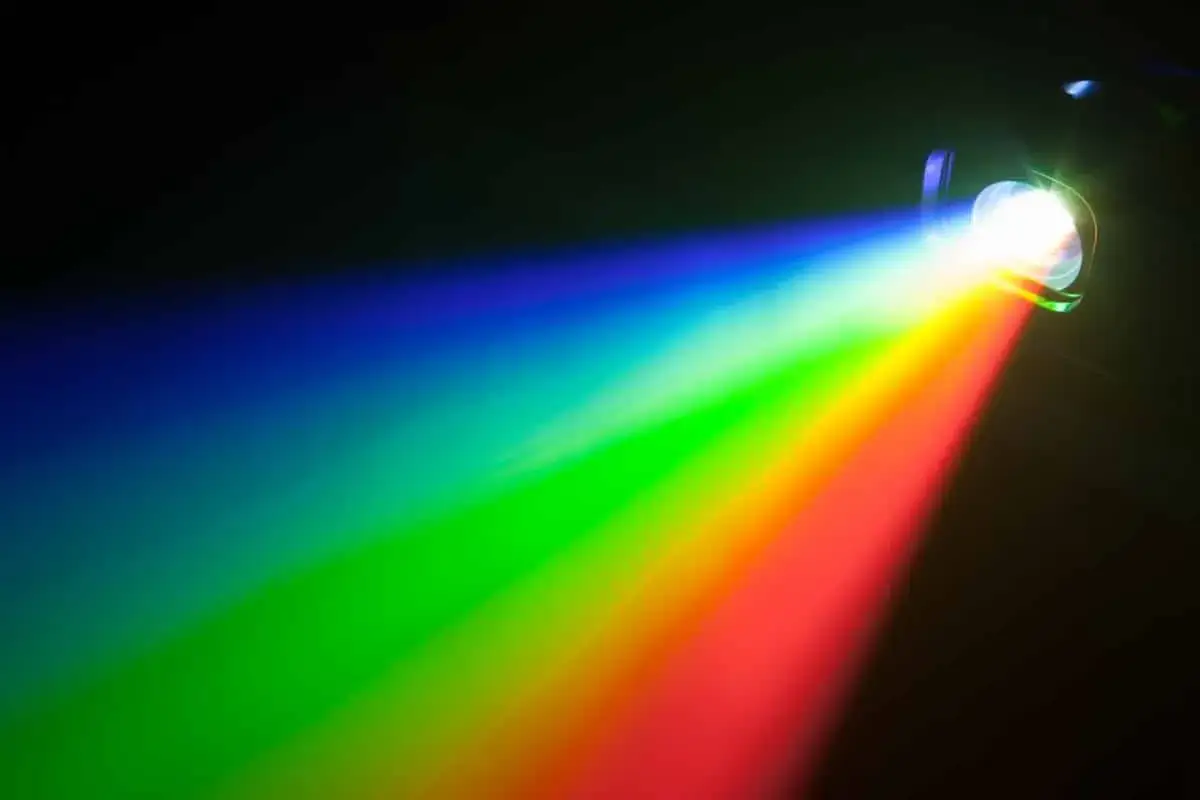
RGB lighting uses three primary light sources because the human eye can be persuaded to see many different colors when those three are combined at different intensities. If red dominates, the output feels red. If green and blue dominate together, the result leans cyan. If red and blue are stronger, you get magenta. When all three are balanced, the light moves toward white.
That is the practical trick behind the system. A fixture does not need dozens of separate color emitters to create variety. It just needs precise control over three channels. That is also why RGB is so common in LED strips, panels, signs, event lighting, and set accents: the effect is flexible, and the hardware stays relatively compact.
There is one limitation worth stating clearly. RGB can approximate white, but it often does not produce the same clean, natural white you get from a dedicated white LED. That difference matters more in spaces where people work, read, film, or spend long periods under the light.
That leads directly to the real-world question: where does RGB actually make sense, and where is it just eye candy?
Where RGB lighting earns its place
RGB lighting is strongest when color itself is part of the experience. I think of it as a tool for atmosphere first and utility second. In visual media production, that makes it useful for background texture, practical accents, product shots, branded environments, and quick scene changes without a full lighting reset.
- Accent lighting behind shelves, TVs, bars, or signage when you want depth more than brightness.
- Retail and hospitality spaces where color helps shape brand identity or guest mood.
- Stage and event setups that need fast color changes, cues, or synchronized looks.
- Content creation backdrops where the light itself becomes part of the visual style.
- Architectural details such as trims, coves, or facades that should stand out after dark.
For camera-facing work, I treat RGB as a support layer rather than the main source. It can build separation and energy, but it is rarely the best choice for flattering skin tones or clean, even exposure on its own. That is why the next distinction, between RGB and its common variants, matters so much.
RGB, RGBW, and RGBIC explained
The label on the box can be more important than the color swatch in the ad. Manufacturers do not always use these terms with perfect consistency, but the differences are still practical.
| Term | What it adds | Best use | Main tradeoff |
|---|---|---|---|
| RGB | Red, green, and blue channels | Color effects, accents, decorative lighting | White light can look cooler or less natural |
| RGBW | RGB plus a dedicated white channel | Spaces that need color and usable white light | Usually costs more than basic RGB |
| RGBIC | Individually controlled segments or chips | Strip effects, motion, chasing patterns, multi-color runs | Not every section behaves like a single uniform fixture |
| RGBWW | RGB plus warm white | Home interiors, hospitality, softer ambient lighting | Less about dramatic color, more about better white tones |
When I’m reviewing a product, I look past the marketing language and ask a simple question: does it produce the kind of white light the space actually needs? If the answer is yes, RGBW or RGBWW is often the better choice. If the answer is no and the goal is pure color performance, plain RGB may be enough. For RGBIC, I look for words like individually addressable or segmented control so I know what the strip can really do.
From there, the decision becomes less about the acronym and more about the job the fixture has to perform.
What I check before recommending an RGB fixture
When someone asks for RGB lighting, I do not start with color count. I start with the use case. The spec sheet should answer a few practical questions before the purchase ever happens.
- White-light quality matters if the light will be used for everyday illumination. RGB alone can make a room glow, but it does not always make it livable.
- Brightness matters more than people expect. A weak strip can still show color, but it will disappear the moment the room gets bright.
- Control method should match the setup. App control, remote control, smart-home integration, and DMX all serve different environments.
- CRI and TLCI matter for video. CRI is a measure of how naturally colors appear, while TLCI is especially useful when lights will be filmed. For set work, I usually want 90 or higher when possible.
- Installation details matter more than buyers think. Indoor and outdoor ratings, cut points, power supply quality, and mounting hardware can make or break the result.
That last point is easy to overlook. A cheap RGB fixture can look impressive in a product photo and still fail in the real world because the driver is noisy, the strip dims unevenly, or the app is clumsy. The best-looking color is useless if the system is unreliable.
Those limitations are worth spelling out, because RGB is excellent at creating mood but not equally strong at everything else.
The limits that matter more than the brochure
The most common mistake is expecting RGB to replace proper white lighting. It usually cannot do that well on its own. Another mistake is buying the product with the biggest color claim instead of the one with the cleanest output, best controls, and most honest white channel.
I also see people overuse saturation. Bright, fully saturated color can look dramatic for a few seconds, but it can quickly feel childish or harsh if the rest of the room is not controlled. Softer blends, lower brightness, and more restrained color choices usually look more polished, especially on camera.
There is also a technical limitation that surprises beginners: not all RGB products create the same effect. A cheap strip with basic red, green, and blue control will not behave like a premium addressable system, and a product labeled RGBIC may still have segment limits that matter for the effect you want. The acronym tells you the category, not the whole story.
That is why the final decision should be made around the room, the camera, and the purpose of the light rather than around the box art.
The simplest way to choose the right setup
If I had to compress the buying decision into a few practical rules, I would keep it this simple.
- Choose RGB if you mainly want color, mood, or decorative effects.
- Choose RGBW if you want color plus a cleaner everyday white.
- Choose RGBIC if animated strip effects and multi-color movement matter.
- Choose RGBWW if warm, livable ambiance is more important than flashy color behavior.
- Choose the control system based on the environment, not the trend. A home setup and a production set do not need the same interface.
That is the practical answer behind RGB lighting: the acronym stands for red, green, and blue, but the real decision is whether those three channels are enough for your space. If you want color atmosphere, RGB is a solid tool. If you need usable white light, better camera performance, or more nuanced control, the right variant will usually serve you better than the simplest label on the package.