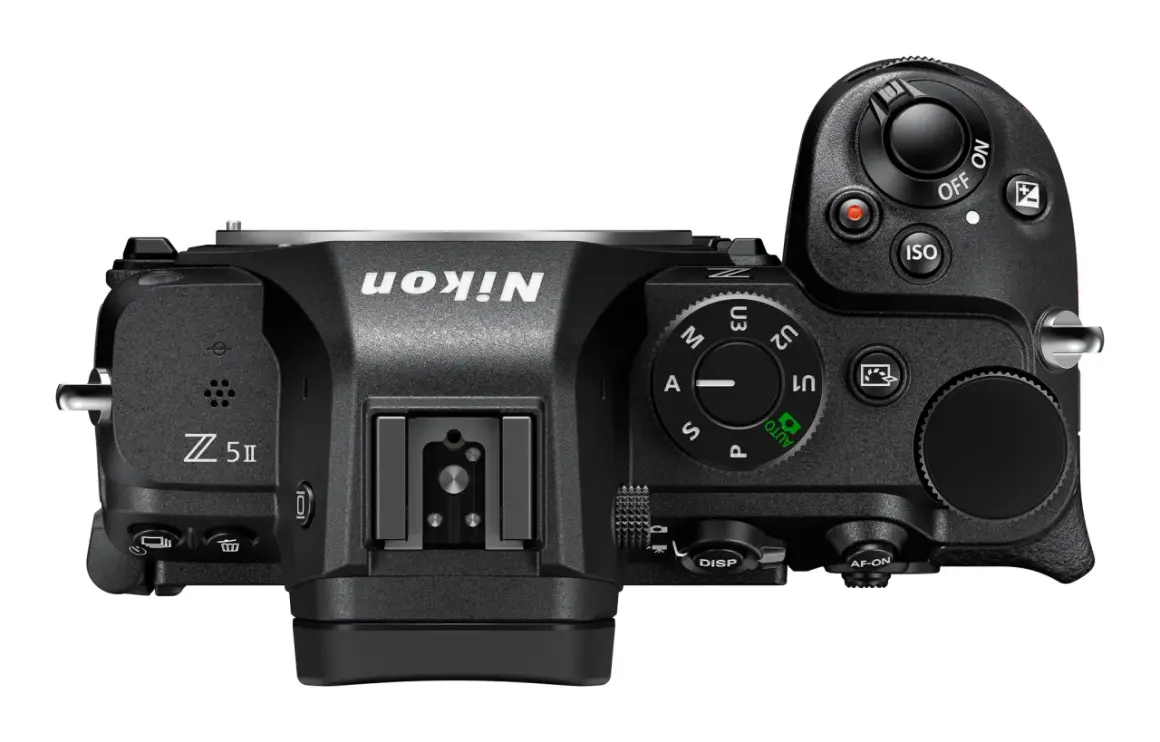
The Nikon Z5 release date was July 21, 2020, and that detail matters because it marks Nikon’s first serious push to make full-frame Z-mount photography feel attainable instead of premium-only. I treat that date as more than trivia: it explains the camera’s place in Nikon’s lineup, what it was designed to solve, and why it still comes up in used-gear conversations in 2026.
Fast facts about the Nikon Z5 launch
- Nikon officially introduced the Z5 on July 21, 2020.
- It arrived as a full-frame FX-format mirrorless camera in the Z mount system.
- The Z5 was aimed at buyers who wanted full-frame image quality without paying Z6 or Z7 money.
- Its launch positioned it as an entry point, not a flagship.
- For 2026 buyers, the launch date helps separate original-market context from today’s used-camera value.
The official launch date and what Nikon meant by it
According to Nikon’s July 21, 2020 announcement, the Z5 was officially released on that date. That is the date most readers actually need when they ask about the camera’s launch, even though retail availability can vary a little by region and seller. In other words, this is the moment Nikon put the model into the market as a real product, not just a rumor or teaser.
I like to separate three things here: the announcement date, the first shipping window, and the day a local store had stock on the shelf. For most buyers, those dates blur together, but when you are tracking camera history or comparing generations, they are not the same thing. The official launch date is the cleanest answer, and for the Z5 that answer is July 21, 2020.
| What you want to know | Answer | Why it matters |
|---|---|---|
| Official launch date | July 21, 2020 | This is the date Nikon introduced the Z5 publicly. |
| Product position | Entry-level full-frame mirrorless | It was built to widen access to the Z system. |
| Availability nuance | Can vary by region and retailer | Launch day and purchase day are not always identical everywhere. |
That distinction between announcement and availability becomes more useful once you look at why Nikon timed the launch the way it did.
Why Nikon brought out the Z5 when it did
I read the Z5 launch as a very practical move. Nikon already had the Z6 and Z7 at the higher end, but those bodies were still out of reach for a lot of buyers who wanted to move into full-frame mirrorless without paying for features they would never use. The Z5 filled that gap. It gave Nikon a cleaner entry point into the Z mount system and made the lineup feel less like a professional-only club.
That timing also makes sense if you think about the market pressure in 2020. Full-frame mirrorless was no longer a niche experiment; it was becoming the standard upgrade path for people leaving older DSLRs or smaller-sensor cameras behind. Nikon needed a body that could answer a simple question: how do we get someone into the Z system without forcing them to overspend on day one? The Z5 was the answer.
For creators, the useful part was not just the launch date itself. It was the message behind it: Nikon was willing to make full-frame feel accessible. That idea shaped the Z5’s feature set, which is where the camera becomes more interesting than a line item on a timeline.
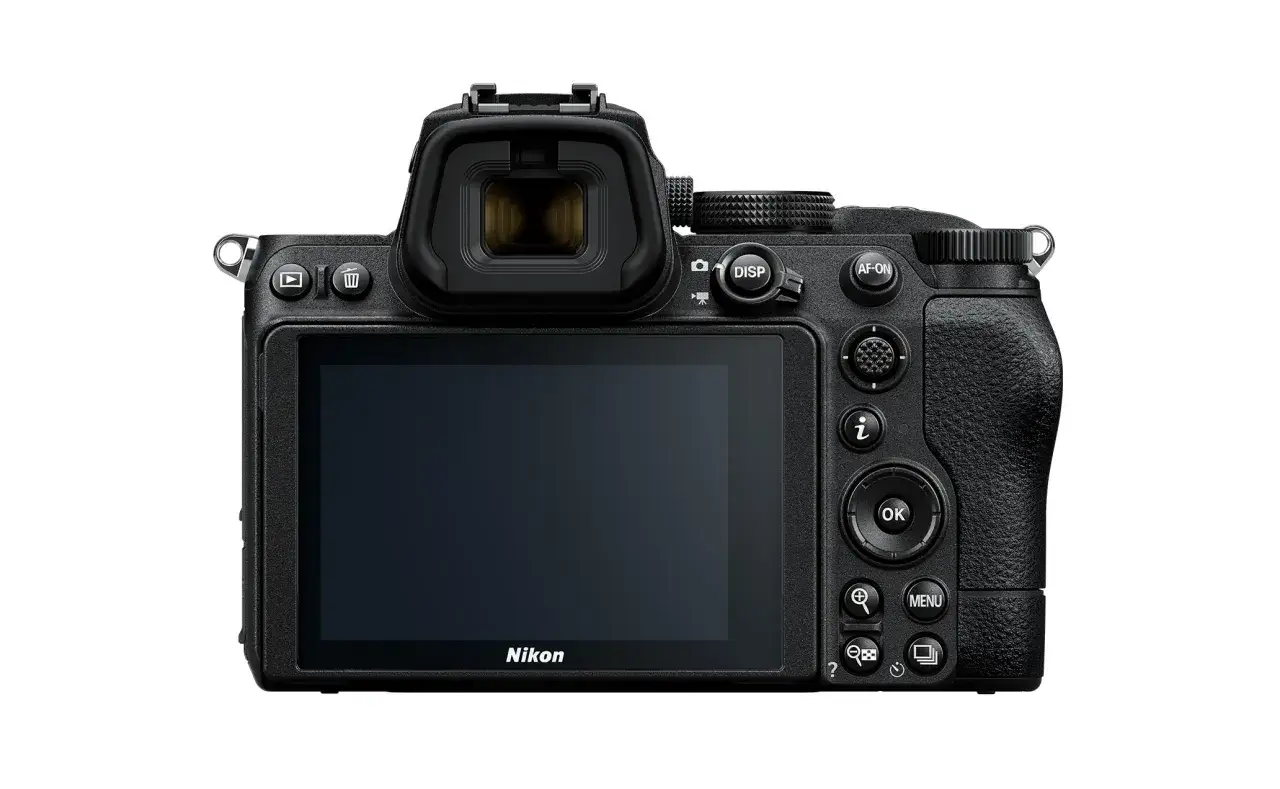
What the Z5 brought to the table at launch
The Z5 was not a stripped-down toy body. It was a carefully balanced camera with enough real-world capability to justify full-frame for stills shooters, hybrid creators, and anyone upgrading from an older DSLR. Nikon built it around a 24.3-megapixel FX-format CMOS sensor and the EXPEED 6 processor, which gave it the same basic image-making foundation that many buyers still look for in a dependable everyday body.
Here is the part that mattered most at launch:
- 24.3MP full-frame sensor for detailed stills without moving into huge file sizes.
- ISO 100-51200 as the standard sensitivity range, which made the camera more flexible in low light.
- 5-axis in-body VR rated for the equivalent of a 5.0-stop shutter-speed benefit, useful for hand-held shooting.
- 273-point hybrid AF with Eye-Detection AF and Animal-Detection AF, which made the camera more usable for portraits and casual action.
- Dual SD card slots, a detail many buyers cared about more than marketing language because it gave them backup and workflow flexibility.
- 3.2-inch tilting touchscreen and a 3,690k-dot EVF, which made composing and reviewing shots feel more polished than the price tier suggested.
- EN-EL15c battery support and USB power delivery while the camera was on, which helped for longer shoots and time-lapse work.
That combination is why the Z5 landed well with practical shooters. It was not built to win spec-sheet bragging rights. It was built to be dependable, and that is often what keeps a camera relevant long after the launch cycle ends.
Once you see the launch feature set, the next question is obvious: how did Nikon keep the price and positioning below the Z6 and Z7 without making the Z5 feel compromised?
How the Z5 sat below the Z6 and Z7
The Z5 was Nikon’s value play inside the Z family. It inherited enough of the Z-series design language to feel like part of the same ecosystem, but it was clearly pitched as the simpler, more affordable body. That matters because a lower-cost camera is not automatically a weaker one; it is usually a camera with a tighter brief. The Z5’s brief was full-frame accessibility, not maximum ambition.
| Model tier | Launch role | What that meant for buyers |
|---|---|---|
| Z5 | Entry-level full-frame | Best for buyers who wanted core image quality and practical handling without paying for the top tier. |
| Z6 | Higher-end all-rounder | More of a step-up body for users who needed broader performance headroom. |
| Z7 | Resolution-focused premium body | Geared toward shooters who were willing to pay more for a more advanced package. |
I think this is where many people misread the Z5. They compare it to the Z6 and call it “lesser,” but that misses the point. Nikon was not trying to build the best camera in the system. It was trying to build the most reasonable first full-frame Z body. That is a different job, and the Z5 did it well enough to stay relevant for a long time.
That long tail is exactly why the launch date still matters if you are evaluating one today.
Why the 2020 launch still matters if you are buying in 2026
The Z5’s age is part of its value story. In 2026, I would treat it as a mature body with a known identity: strong stills performance, sensible controls, dual card slots, and a feature set that is still useful for a lot of photographers. What it is not is a cutting-edge hybrid machine built around the newest autofocus behavior or the strongest video feature set in Nikon’s current range.
That means the launch date is more than a trivia answer when you are shopping used gear. It tells you the generation of processor, autofocus logic, and overall product philosophy you are getting. If you are buying one now, I would focus on the things that age in real use rather than the headline specs:
- Check the shutter count if the seller provides it.
- Inspect both SD card slots for reliable operation.
- Make sure the battery health is still solid, especially if the camera was used heavily for video or travel.
- Confirm the firmware is current enough for the lens and accessory setup you want.
- Decide whether you care more about stills reliability or newer-generation autofocus and video tools.
If your goal is affordable full-frame photography, the Z5 can still be a sensible buy. If your goal is the newest Nikon mirrorless experience, the launch date is also your reminder that this is an older-generation body and should be judged that way. That leads to the last question: what is the cleanest way to think about the Z5’s place in Nikon’s timeline?
Where the Z5 fits in Nikon’s story now
The simplest way I would frame it is this: the Z5 was Nikon’s credibility camera for affordable full-frame mirrorless. It helped the company show that the Z mount was not just for expensive bodies, and that was important for the system’s growth. The camera’s launch on July 21, 2020 is the moment that strategy became visible to buyers.
If you are reading this for a purchase decision, my practical view is straightforward. Buy a Z5 if you want a balanced stills-first camera with real-world strengths and a friendlier price on the used market. Look elsewhere if you need the newest autofocus behavior, the most advanced video options, or a newer body that reflects Nikon’s latest thinking. The launch date tells you which generation you are stepping into, and that is the right way to judge it.
For most readers, that is the real answer behind the Nikon Z5 launch date: it was not just when the camera appeared, but when Nikon made full-frame mirrorless feel attainable in a way that still makes sense to practical shooters today.