Buying a camera gets much easier once you stop treating it like a wall of specs and start matching the body, lens system, and budget to the job. The guide below explains how to buy a digital camara in practical terms: what to decide first, which features are worth paying for, where the hidden costs live, and how to avoid a setup that looks good on paper but feels wrong in real use. I’m focusing on the US market in 2026, where mirrorless bodies dominate new purchases and the real value is often in the lens ecosystem, not the headline megapixels.
The fastest way to avoid the wrong camera purchase
- Start with the subject you shoot most, not the brand on the badge.
- For most buyers in 2026, a mirrorless camera is the safest default choice.
- APS-C is the best value zone for many photographers; full-frame is worth it when low light, shallow depth of field, or pro-level lenses matter.
- Budget for the lens, memory card, battery, and bag, not just the body.
- Autofocus, lens ecosystem, and handling usually matter more than raw megapixels.
- Buy new, refurbished, or used only after you check the return policy, warranty, and condition carefully.
Start with the work the camera has to do
I usually begin with the subject, not the brand. A camera for travel, family, product photos, and short-form video does not need the same spec sheet as one built for birds, sports, or paid events. If you shoot branded content or product work, for example, I care more about reliable autofocus, clean color, and a lens that renders straight lines well than I do about chase-the-hype features.
| Use case | What to prioritize | What usually matters less |
|---|---|---|
| Travel and family | Light body, good battery life, quick autofocus, flexible zoom range | Ultra-high resolution, pro-grade weather sealing |
| Portraits and product photos | Eye AF, good color, interchangeable lenses, dependable RAW files | Extreme burst speed |
| Sports and wildlife | Fast subject tracking, AF-C, burst rate, telephoto lens options | Tiny body size |
| Video and creator work | 4K quality, articulating screen, mic input, stabilization, good heat management | Very high megapixel counts |
| Everyday snapshots | Simple controls, reliable auto mode, fast startup, decent JPEG output | Advanced manual controls you may never use |
Once the job is clear, the body style becomes much easier to narrow down. From there, the camera class itself is the next decision that matters.
Pick the camera type that fits your budget and patience
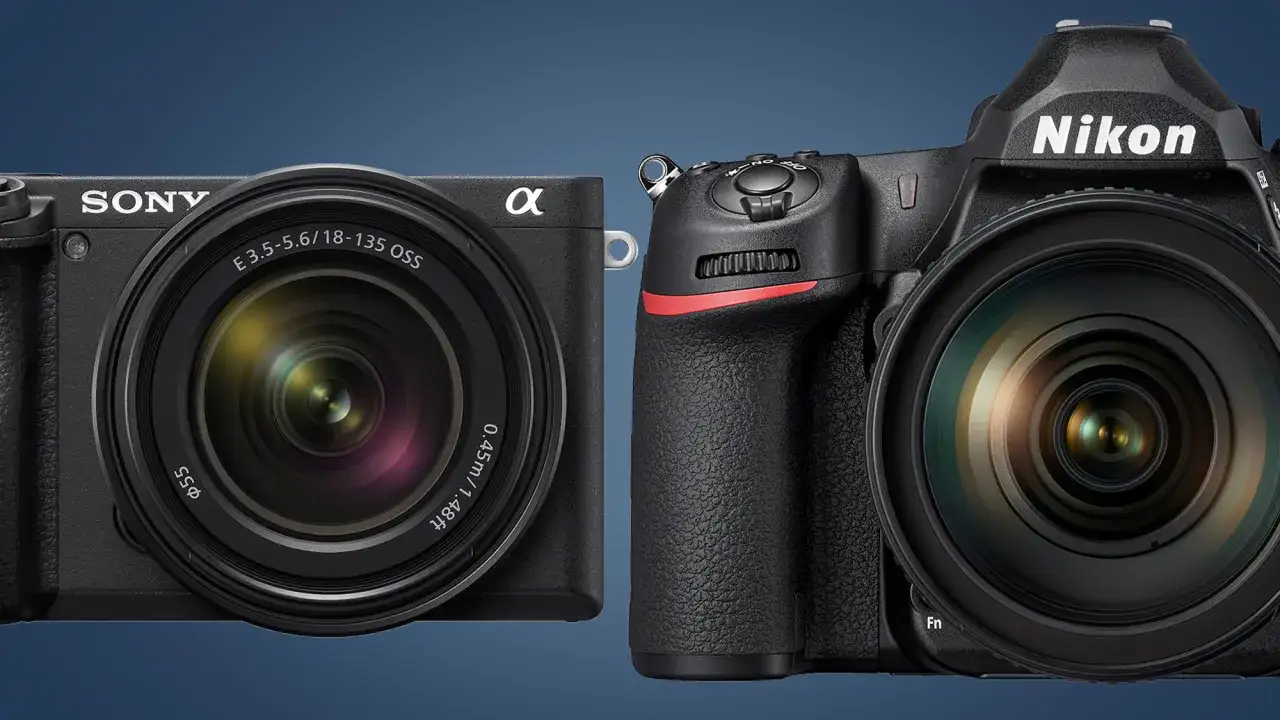
In 2026, I treat mirrorless as the default starting point for most buyers. It gives you the best balance of size, autofocus performance, video features, and long-term lens support. DSLR still makes sense in a few cases, mostly if you want a used bargain or already own compatible lenses, but I would not buy one just because it feels familiar.
| Camera type | Best for | Strengths | Tradeoffs | Typical US buy-in |
|---|---|---|---|---|
| Mirrorless | Most first-time buyers, hybrid photo and video users | Strong autofocus, smaller bodies, broad lens ecosystems, better future support | Battery life is often shorter than DSLR, lens kits can get expensive | $500-$3,500+ depending on body and lens |
| DSLR | Used-market shoppers, optical viewfinder fans | Long battery life, deep used lens pool, familiar handling | Fewer new models, larger bodies, weaker video emphasis | $300-$1,500 on the used market |
| Compact or premium compact | Travel, casual shooting, pocketability | Very portable, easy to carry, simple operation | Fixed lens, limited upgrade path, smaller sensor | $400-$1,200 |
| Bridge or superzoom | All-in-one convenience, travel zoom range | Huge zoom reach without lens swaps | Image quality and low-light performance are usually weaker | $400-$1,000 |
If I had to narrow the field quickly, I would tell most buyers to start with mirrorless, then decide whether they want an APS-C body for value or a full-frame body for more headroom. The sensor size choice does a lot of the filtering work for you.
Let sensor size do the heavy lifting
This is where many people overbuy. APS-C sensors are roughly 22 x 15 mm, while full-frame sensors are 36 x 24 mm, so the difference is not cosmetic. A larger sensor usually gives you more room to work in low light, more control over background blur, and a little more flexibility when you crop, but it also tends to push body and lens costs up.
| Sensor format | Why I like it | Main compromise | Best fit |
|---|---|---|---|
| 1-inch | Small, portable, better image quality than a phone, easy for everyday carry | Less low-light headroom and less subject separation | Travel and pocketable cameras |
| Micro Four Thirds | Compact system, strong stabilization, useful telephoto reach in a small package | Less shallow depth of field and less high-ISO flexibility than APS-C or full-frame | Travel, wildlife on a budget, compact video kits |
| APS-C | Best value for many buyers, strong image quality, balanced lens costs | Not as forgiving in dim light as full-frame | Beginners, enthusiasts, creators who want a practical system |
| Full-frame | Excellent low-light performance, smoother background blur, premium lens ecosystem | Higher body and lens prices, bigger kit overall | Portraits, events, paid work, advanced hybrid shooting |
For most people, 20-26 megapixels is already enough. I only push resolution higher when someone knows they crop heavily, print large, or needs extra detail for professional product work. Otherwise, autofocus quality, lens sharpness, and user comfort usually affect the final image more than another block of pixels.
Sensor choice narrows the field, but the lens system decides how expensive the camera really becomes.
Check the lens system before you commit
A body is temporary; good lenses are what tend to stay in your bag. This is why I never let someone spend almost the whole budget on the camera body and leave themselves with a weak lens or no room for accessories. A practical split is usually something like 50-60% for the body, 30-40% for the first useful lens, and the rest for cards, batteries, and a bag.
| Lens choice | What it solves | Rough US budget |
|---|---|---|
| Kit zoom | Cheap entry point, flexible for everyday shooting | Often bundled or around $100-$200 extra |
| Fast prime | Better low light, stronger background blur, simpler handling | About $150-$600 |
| Standard zoom | One-lens everyday solution with better optical quality than most kit zooms | About $300-$1,200 |
| Telephoto zoom | Sports, wildlife, distant subjects, more reach | About $400-$1,500+ |
I also look at the mount itself. If the system has a healthy lens roadmap, used lens availability, and good third-party support, the body becomes a safer purchase. Adapters can help if you already own older glass, but I still prefer native lenses because they usually focus faster, balance better, and behave more predictably.
After the lens system, the feature list becomes a lot less mysterious.
The specs that actually change the experience
This is where buyers overspend on bragging rights. I focus on a short list and ignore the rest until I know why I need it. The best camera is not the one with the longest spec sheet; it is the one that stays consistent when the light drops, the subject moves, or the day gets long.
- Autofocus matters more than most beginners expect. Eye AF and subject tracking make portraits, family shooting, and creator work easier, while AF-C is the mode I want for motion and action.
- Stabilization helps handheld shooting. IBIS, or in-body image stabilization, is useful across multiple lenses, while lens-based stabilization can still be excellent on longer zooms.
- Video specs should match your real output. For casual creator work, 4K/30 is usually enough. If you crop, slow footage down, or grade color heavily, 4K/60 and 10-bit recording become much more relevant.
- Storage and card speed matter if you shoot bursts or video. I look for at least one fast SD slot, with V30 cards as a practical minimum for 4K and V60 or faster when the workflow gets heavier.
- Usability is not optional. A fully articulating screen, a good EVF, USB-C charging, and a grip that fits your hand all affect whether you actually enjoy using the camera.
- Dual card slots are worth paying for if the camera is going to client work, events, or anything that cannot be re-shot easily.
I would not pay extra for 8K video unless I already had a real workflow for it. The same goes for extreme burst rates, huge resolution, or exotic modes that look impressive in marketing but rarely help the kind of images you actually make.
Specs tell you how the camera behaves, but the purchase still depends on where you buy it.
Buy new, refurbished, or used with a checklist
In the US, the price gap between new and used gear can be big enough to change the entire kit. Used bodies often cost 20-40% less than new, and refurbished gear can be a sweet spot if the seller stands behind it. New still makes sense when you want a clean warranty, simple returns, and the least amount of uncertainty.
- New is best if you want full warranty coverage and the easiest return path.
- Refurbished works well when it comes from the manufacturer or a reputable retailer with a real warranty.
- Used offers the best savings, but only if you inspect the camera carefully or buy from a seller with a strong return window.
When I inspect used gear, I check a few things before I care about the price tag:
- Shutter count, if the body uses a mechanical shutter and the seller provides it.
- Sensor condition, mount wear, ports, buttons, and the screen for signs of abuse.
- Battery health, charger, body cap, lens cap, and any missing accessories.
- Evidence of fungus, water damage, heavy dust, or repair history.
- Whether the camera is a US model with a valid warranty or a gray-market import with limited support.
Return policies also matter more than most people think. Many US sellers offer a return window of roughly 15-30 days, but the exact policy varies, so I always check that before I click buy. A camera that feels wrong in your hands is expensive to keep, even if the price looked fair.
With that part sorted, the last step is turning the budget into a decision you can actually make.
A practical buying path that keeps regret low
If two cameras look similar, I decide by lens ecosystem, autofocus, and handling, in that order. Megapixels are usually the last thing I care about unless I know I’m cropping hard, printing large, or doing commercial product work that needs extra detail.
- Under $700: look at an entry mirrorless kit or a compact camera if portability matters most.
- $700-$1,500: this is the sweet spot for many APS-C kits, especially if you can buy a better lens rather than stretching for a bigger body.
- $1,500-$3,000: full-frame starts to make sense here, along with stronger lenses, better stabilization, and more robust hybrid features.
- Above $3,000: buy only when you know exactly why you need the extra speed, resolution, low-light performance, or video tools.
If I had to reduce the whole purchase process to one rule, it would be this: choose the system first, the lens second, and the body third. That order prevents the most common mistake I see, which is spending too much on the camera itself and not enough on the glass and accessories that actually shape the result.