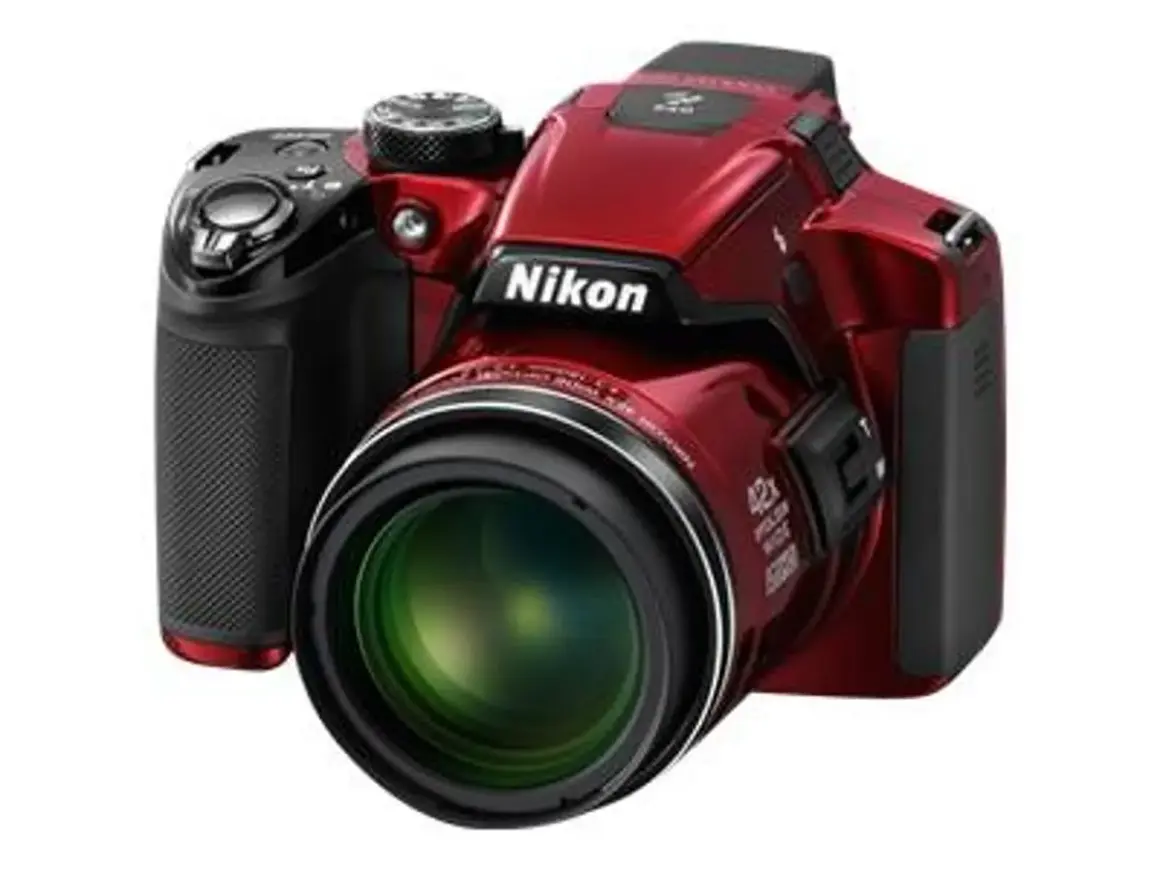
The Nikon Coolpix P510 is a classic superzoom built around one big idea: give you a 24-1000mm equivalent lens in a body that still feels like a camera, not just a phone with a grip. In 2026, that makes it more of a practical used-market tool than a nostalgia piece, and the real question is whether its reach, controls, and image quality still solve a problem you actually have. This article breaks down what the camera does well, where it shows its age, and what to check before you buy one used.
The practical takeaways at a glance
- It pairs a 16.1MP 1/2.3-inch CMOS sensor with a 42x zoom, so reach is its main advantage.
- The 24-1000mm equivalent range is genuinely useful for travel details, wildlife, stage work, and distant subjects.
- Image quality is best in bright light; low-light performance falls off quickly because the sensor is small and the telephoto aperture is slow.
- The 3-inch tilting screen, electronic viewfinder, manual modes, and stabilization make it more capable than a basic compact.
- Battery life is modest at about 240 shots per charge, so a spare battery is worth planning for.
- Used copies can still make sense if you want extreme zoom on a tight budget and accept older-camera compromises.
What the Coolpix P510 actually is
I would describe this camera as a bridge camera, which is Nikon’s way of building something that looks and handles a bit like a small DSLR while keeping a fixed lens. That matters because the P510 is not trying to be pocketable or minimalist; it is trying to give you serious reach without swapping lenses or carrying a full telephoto setup.
On paper, the spec sheet still looks bold: a 16.1MP sensor, a 42x optical zoom, 1080p video, a tilting LCD, and a viewfinder. In practice, the camera only makes sense when you understand the tradeoff behind those numbers. The lens is the headline, but the sensor size and battery life are the fine print.
| Spec | Why it matters |
|---|---|
| 16.1MP 1/2.3-inch CMOS sensor | Good enough for web use and casual prints, but small enough that low light becomes a real limitation. |
| 42x optical zoom, 24-1000mm equivalent | Lets you frame subjects that are far away without changing lenses or moving physically closer. |
| f/3.0-5.9 lens | Bright enough at the wide end, but noticeably slower at full telephoto, where light matters more. |
| 3-inch tilting LCD, 921k dots | Makes low-angle, high-angle, and waist-level shooting much easier. |
| 0.2-inch electronic viewfinder | Useful in harsh sunlight and for steadier framing at long focal lengths. |
| 1080p video and 7 fps burst | Enough for casual motion capture, though not what I would call a modern video-first workflow. |
| About 240 shots per charge | A spare battery is sensible if you plan to shoot a full day. |
The spec sheet sounds ambitious even now, but the camera’s value only becomes clear when you see how that zoom behaves in the field. That is where the P510 either feels clever or merely oversized, depending on what you want from it.
How the 42x zoom changes the way you shoot
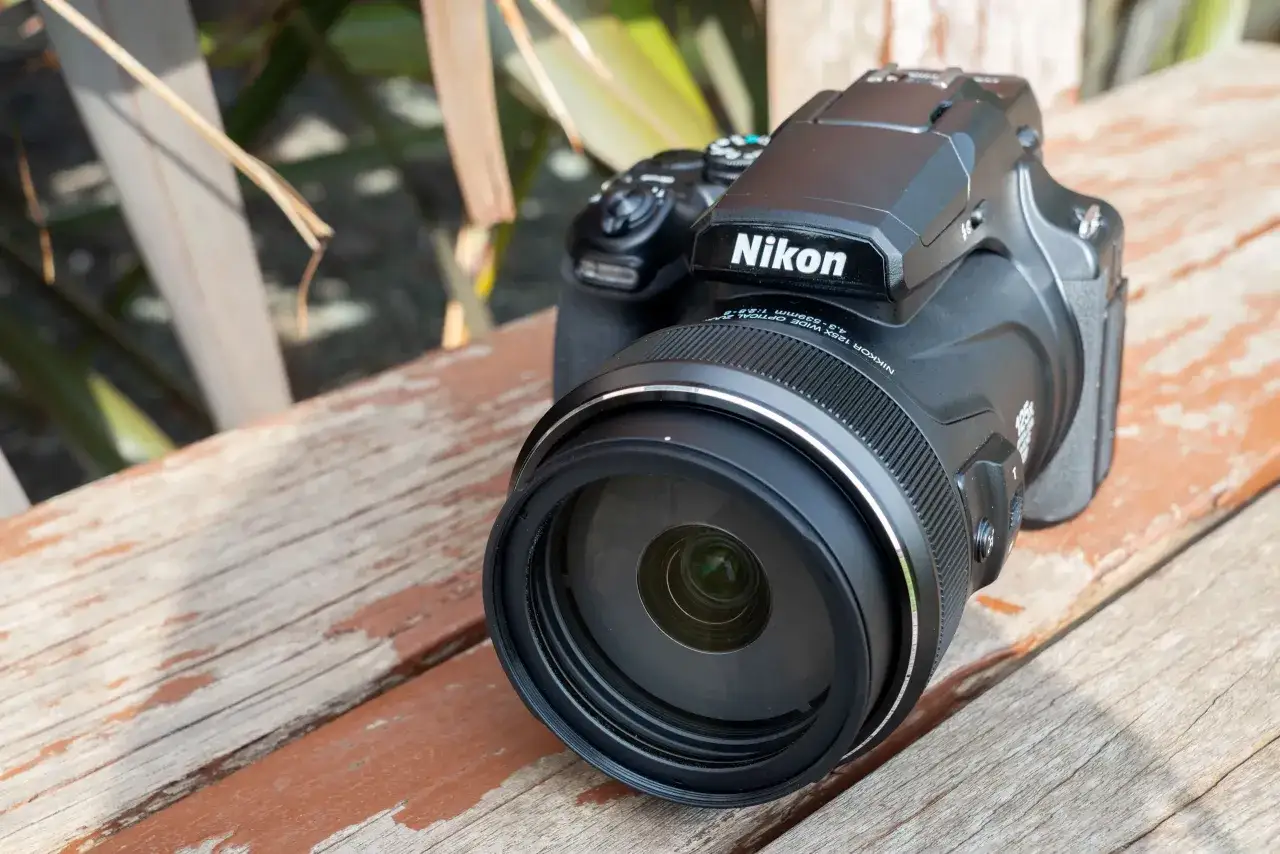
The zoom range is the reason people still talk about this camera. At the wide end, 24mm equivalent gives you enough room for landscapes, interiors, street scenes, and group shots. At the long end, 1000mm equivalent lets you isolate distant subjects in a way most phones simply cannot approach.
That reach is not a gimmick. It changes what you can photograph from one spot: a bird across a pond, a performer on a stage, the details on a building facade, or a candid moment from far enough away that the scene stays natural. I think that is the P510’s real appeal. It lets you cover a huge range without thinking like a lens collector.
- Travel - You can move from wide architectural frames to tight detail shots without changing gear.
- Wildlife - The lens reaches far enough to make casual birding and animal spotting genuinely fun.
- Sports and events - You can stay back from the action and still fill the frame.
- Compression shots - Long focal lengths flatten perspective in a way that makes subjects feel layered and cinematic.
The catch is that telephoto reach is only half the battle. At 1000mm equivalent, even tiny hand movements show up, so stabilization helps but does not remove the need for good technique. I would brace my elbows, use the viewfinder when possible, and keep shutter speed higher than I think I need. The side zoom rocker is a small thing, but it makes creeping into long focal lengths much easier than trying to slam the zoom with one control near the shutter button. That leads naturally into the question of how the files actually look.
What the images look like in real-world use
This is where the P510 stops being a numbers exercise and starts acting like an older camera. In bright daylight, it can produce very pleasing results for social media, web publishing, and modest prints. Colors are usually usable, and the lens can deliver enough detail for casual work when the light is good and the ISO stays low.
Once the light drops, the limits become obvious. The small sensor has less room to gather light than a larger-sensor camera, and noise reduction starts to smooth away fine detail. At the telephoto end, that slower f/5.9 aperture makes the problem worse. I would not buy this camera expecting clean indoor files or graceful high-ISO recovery.
| Situation | What to expect | How I would handle it |
|---|---|---|
| Bright daylight | Best image quality, workable detail, and pleasant color. | Keep ISO low and let the lens do the work. |
| Indoor scenes | Noise rises quickly and detail gets softer. | Use more light, steady the camera, and accept that results will be limited. |
| Long telephoto shots | Stabilization helps, but subject motion and camera shake still matter. | Use a faster shutter speed than you think you need. |
| High-contrast scenes | Dynamic range is good enough for ordinary use, but not dramatic by modern standards. | Expose carefully and use HDR or backlighting tools when the scene demands it. |
| Video | Fine for casual clips, less convincing for serious production. | Use a tripod and keep expectations realistic. |
One limitation I would not overlook is the lack of RAW capture. That means the camera’s JPEG processing matters more than it would on a more advanced body. If exposure is off or white balance is wrong, you have less room to fix it later. For a content creator or a marketer using it for quick reference footage, that is a real workflow constraint, and it is exactly why the handling features matter so much.
The controls and handling that still matter
For a camera this old, the P510 is surprisingly pleasant to use. The grip is substantial, the controls are direct, and the camera offers the kind of physical access that makes learning exposure less tedious. I like that it gives you P, S, A, and M modes, because that means the camera is not just a zoom machine; it can also teach you how shutter speed, aperture, and ISO interact.
The articulated screen is one of the features that aged well. A tilting display is useful when you are shooting from overhead, near the ground, or at awkward angles where a fixed screen would slow you down. The electronic viewfinder is not luxurious, but it is practical in bright sun and gives you a steadier shooting position at long focal lengths.
There are also a few smaller things that matter in day-to-day use: the second zoom rocker on the lens barrel, the Fn button for quick access, and built-in GPS for location tagging. None of those is glamorous, but together they make the camera feel thought through rather than stripped down. That makes the used-buying checklist more important, because a worn sample can lose a lot of that convenience.
What I would check before buying one used
On the U.S. used market in 2026, clean copies usually sit somewhere in the low hundreds, with condition and accessories driving the price more than the model name itself. I would treat a very cheap listing as a warning sign, not an automatic bargain. A superzoom has to move smoothly, and once the lens mechanism gets flaky, the whole camera becomes a paperweight.
| Check | Why it matters | What good looks like |
|---|---|---|
| Zoom movement | The lens is the entire point of the camera. | Smooth extension and retraction with no grinding or hesitation. |
| Lens condition | Dust, haze, and fungus are harder to ignore on a long zoom. | Clear front element and no obvious internal spots. |
| LCD hinge | A loose screen weakens one of the camera’s best usability features. | The screen holds position without wobble. |
| Viewfinder | The EVF is useful in bright light and at telephoto. | A clean display with no heavy artifacts or flicker. |
| Battery and charger | Battery life is modest, so missing accessories cost you immediately. | Battery holds a charge and the charger works properly. |
| Buttons and dials | Sticky controls are annoying now and expensive later. | Positive clicks and responsive menu navigation. |
| Card slot and ports | Old cameras often fail at the boring stuff first. | Files write correctly and the USB connection is stable. |
The biggest red flag is the zoom motor. If that is unreliable, the camera loses the one feature that separates it from ordinary compacts. I would also ask for a test shot at the wide end and the long end, because a lens can look fine halfway through the zoom range and still fail when fully extended. If the seller will not let you test it, I would price in risk or walk away. From there, the next question is whether the P510 is actually the right category for you in 2026.
How it stacks up against the gear people buy now
If I compare the P510 with the gear most people use today, the result is pretty straightforward. A smartphone wins on convenience, image processing, and always-being-there. A modern larger-sensor camera wins on image quality, autofocus reliability, and low-light performance. The P510 wins on one thing that still matters: reach per dollar.
| Option | What it does better | What it does worse | Best for |
|---|---|---|---|
| Smartphone | Convenience, automatic processing, sharing speed | Long reach, manual control, optical versatility | Everyday photos and quick publishing |
| Coolpix P510 | Huge zoom range, physical controls, flexible framing | Low light, sensor quality, modern autofocus and video | Casual telephoto work on a budget |
| Modern bridge camera with a larger sensor | Better detail, better low light, cleaner files | Usually less zoom reach and higher cost | Travel and hybrid stills/video use |
| Mirrorless body with a telephoto lens | Best image quality and upgrade path | Cost, size, and the need to buy lenses | Serious photography and mixed lighting |
My honest read is that the P510 only beats a phone when you need the lens, not when you merely want a camera. That distinction matters more than most buyers admit. If you are shooting birds, stage performances, distant architecture details, or sports from a fixed position, the zoom is still the story. If you are shooting family snapshots, indoor events, or night scenes, a phone or newer camera will usually make more sense. That brings me to the part that actually decides the purchase.
Where the Coolpix P510 still makes sense in 2026
I would still consider this camera if I needed a cheap way to reach far subjects, wanted a backup body for daylight shooting, or simply liked the idea of one camera covering a ridiculous focal range. It is also a useful learning tool if you want to understand how focal length affects composition, perspective, and camera shake without buying multiple lenses.
I would skip it if image quality is your top priority, if you shoot a lot indoors, or if you want a camera that feels current in autofocus and video. The P510 is not bad for what it is; it is simply old enough that its strengths are narrow and its weaknesses are obvious. If you buy one, I would budget for a spare EN-EL5 battery, test the lens before paying, and make sure the zoom is the reason you want it, not just the price tag.