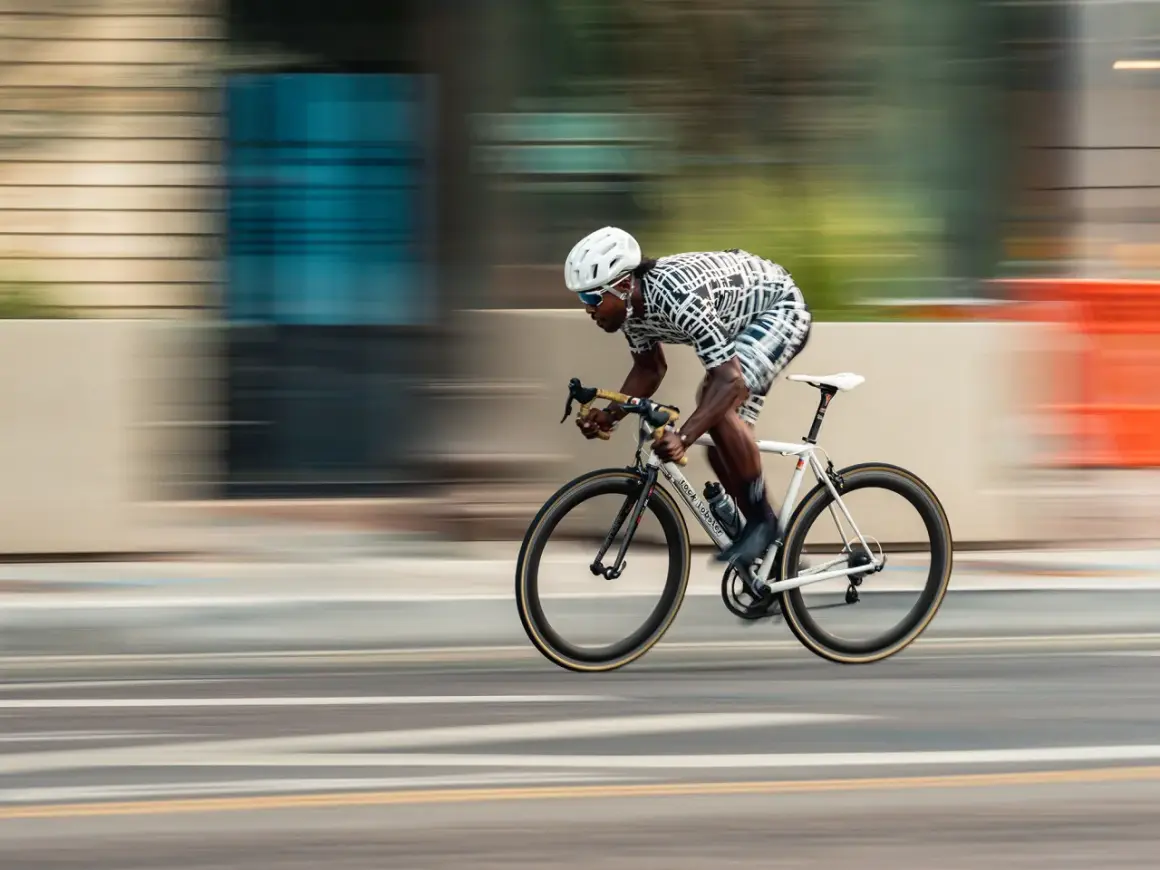
Racing photography works best when it captures speed, control, and context at the same time. A sharp car alone is not enough; the frame also needs tension, movement, and a sense of place, whether that is a Daytona-style oval, a street circuit, or a local dirt track in the U.S. This article breaks down the practical choices that matter most: what to shoot, where to stand, how to set the camera, and how to build a gallery that feels complete rather than repetitive.
The fastest way to improve is to balance action, timing, and story
- Start with two looks: one crisp freeze-frame style and one slower panned frame that shows motion.
- Use continuous autofocus and burst mode: they help, but they do not replace good timing or a clean shooting angle.
- Think in scenes, not single frames: starts, corners, pit work, crowd energy, and after-race reactions all matter.
- Pick the right lens for your position: a 70-200mm or 100-400mm covers most spectator access well, while wider glass helps in the paddock.
- Watch the background as closely as the car: fences, signs, tire walls, and sunlight can make or break a frame.
- Build variety on purpose: the strongest race galleries mix action, detail, and human moments.
What strong race images are really trying to show
The best trackside images do more than document who crossed the line first. They show the physical language of the sport: weight transfer into a corner, a driver leaning into the steering, dust or spray lifting behind the tires, and the crowd reacting to what the camera sees. I usually think about three things at once: motion, emotion, and environment.
That is why the subject itself changes from frame to frame. Sometimes the car is the subject, sometimes the driver, sometimes the atmosphere around them. A strong gallery might include an overtaking battle, a pit stop, a helmet portrait, a start-grid wide shot, and one messy, dramatic frame with smoke, dirt, or rain. The point is not to shoot everything. The point is to shoot the right things in a way that feels intentional.
| Style | What it shows | Best use | Main risk |
|---|---|---|---|
| Frozen action | Sharp car, driver, sponsor detail, wheel and bodywork detail | Starts, close passes, braking zones, launch shots | Can feel static if every frame looks the same |
| Panned motion | Speed, direction, blurred background, readable subject | Corner exits, side-on passes, rolling battles | Higher miss rate and more blur if technique is weak |
| Environmental wide | Track, crowd, weather, architecture, or landscape | Local short tracks, street circuits, sunrise or night races | The subject can get lost if the framing is too loose |
| Paddock portrait | People, preparation, emotion, team identity | Grid prep, interviews, repairs, celebration, fatigue | Feels disconnected if there is no action coverage around it |
When I plan coverage, I try to leave with at least one frame from each row. That mix gives the race story structure, and it keeps the edit from turning into a wall of near-identical action shots. From there, the real work is choosing settings that support the look you want.
Settings that give you a reliable starting point
There is no single perfect setup for every race, but there are solid starting points. For fast action, I usually begin with continuous autofocus, auto ISO, and a shutter speed that matches the effect I want. If I want to freeze the car cleanly, I move into the 1/1000 to 1/2000 second range. If I want visible motion, especially in a side-on pass, I start much lower and accept that not every frame will be usable.
| Situation | Starting shutter speed | Aperture | ISO approach | AF approach |
|---|---|---|---|---|
| Fast oval or drag launch | 1/1000 to 1/2000 | f/2.8 to f/5.6 | Auto ISO with a sensible ceiling | Continuous tracking, subject detection if it is reliable |
| Panning on a corner exit | 1/60 to 1/250 | f/4 to f/8 | Auto ISO or manual ISO if the light is stable | Small zone or single point placed on the leading area of the car |
| Pits and portraits | 1/125 to 1/500 | f/2.8 to f/4 | ISO 100 to 1600, depending on light | Single point on the helmet or eyes |
| Night race or heavy overcast | 1/250 to 1/1000 | Wide open or close to it | Auto ISO may need to climb to 6400 or higher | Prioritize subject lock and contrast over perfection |
I prefer shutter priority or manual exposure with auto ISO when the light changes quickly. That gives me control over motion without forcing me to rebuild exposure every few minutes. Short bursts of 3 to 5 frames are usually enough; spraying long bursts only fills the card with nearly identical mistakes. The real skill is not pressing harder, but choosing the right moment to start and stop.
Where to stand at U.S. tracks and why it matters
Track layout changes everything. At an American oval, I care about restarts, side-by-side exits, and the symmetry of cars leaning into the same corner from the same angle. At a road course, the best moments often happen under braking, where body roll and driver focus are visible. At a drag strip, the launch is the whole story for the first split second, and after that I am often looking for tire smoke, reaction, and the crowd behind the barriers.
These venue types reward different positions, and the best spot is rarely the most obvious one. I always check whether the access is public, credentialed, or limited by fence line and barriers. Some places will let you work a cleaner angle with a longer lens from the spectator side; others demand you move around the circuit and earn your shots by being patient. Either way, the track map matters as much as the camera bag.
| Venue type | Best moments | What to look for |
|---|---|---|
| Oval | Restarts, pack racing, corner exits, late-race battles | Side-on motion, symmetry, speed, grandstand energy |
| Road course | Braking zones, apexes, elevation changes, wet-weather drama | Body roll, tire detail, driver concentration, track texture |
| Drag strip | Launches, wheelstands, smoke, finish-line reactions | Acceleration, straight-line force, launch reaction, heat shimmer |
| Dirt track | Slides, dirt spray, wheel-to-wheel contact, sunset light | Chaos, texture, dust, crowd atmosphere |
Light also changes the value of each position. A corner that is flat and dull at noon can become the best angle in the last hour before sunset. A place that looks ordinary under daylight can become dramatic at night when the cars create their own highlights. I treat light as part of the venue, not just part of the exposure.
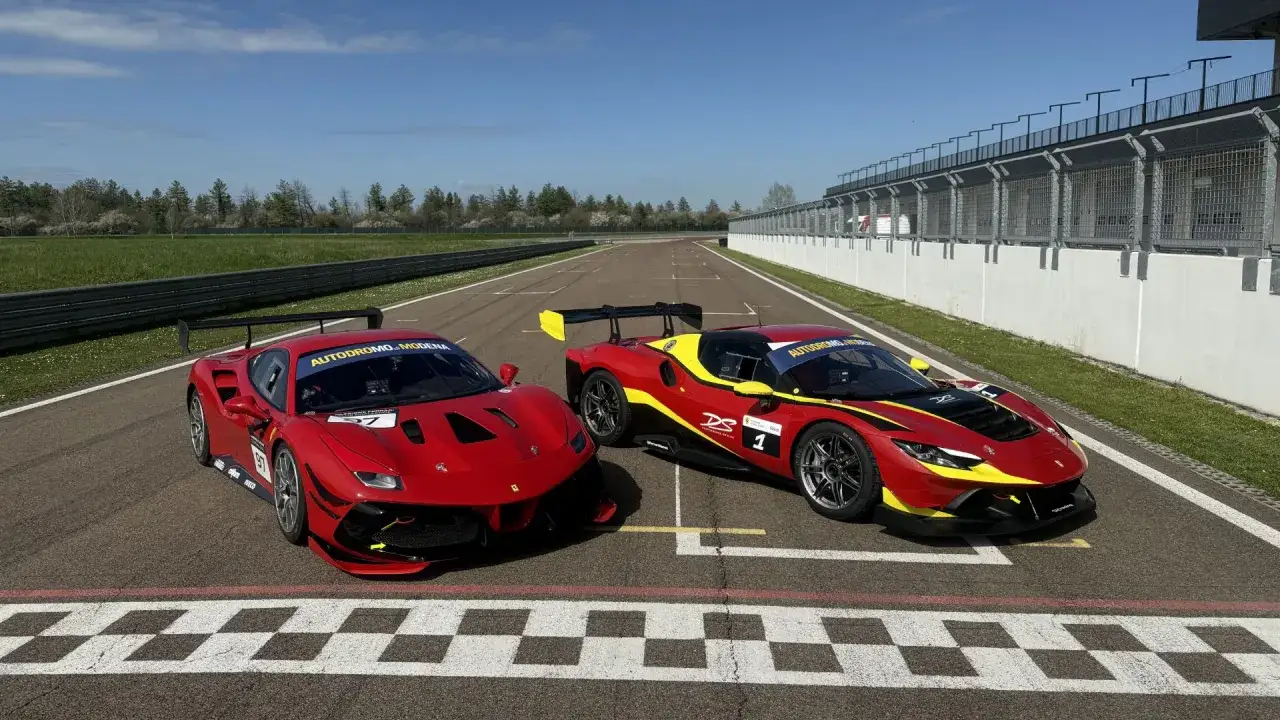
How to compose motion instead of just recording it
Good composition in trackside work is about making speed readable. I try to give the car room to move into the frame, not just space around it for safety. Diagonal lines from curbing, grandstands, tire marks, barriers, and even shadows can all help the image feel faster. When possible, I want the front of the vehicle visible, the wheels turned, and the body loaded up in a way that tells me what the driver is doing.
Panning is the classic technique here, and it is worth practicing until the movement feels natural. My body stays stable, my hips and shoulders rotate as one unit, and I keep following the car after the shutter fires. That follow-through matters more than people expect. A lot of first attempts fail because the photographer stops the motion at the exact moment the frame is taken, which creates a tiny jerk that softens the subject.
When I want a stronger sense of motion, I often begin near 1/125 second and work slower only if the keeper rate holds up. The exact number depends on the speed of the subject, the distance to the track, and how smooth your tracking is. A fast stock car on a short oval, a drifting dirt car, and a motorcycle all demand slightly different timing. The rule is simple: let the movement suit the shutter, not the other way around.
- Leave space ahead of the vehicle so the frame feels like motion, not a stop sign.
- Use foreground elements such as curbs, grass, dust, or spray when they help the story.
- Keep the background clean enough that the subject still reads immediately.
- Look for moments when the car leans, squats, or slides, because body language makes speed visible.
- Do not ignore the human side; a helmet, a gloved hand, or a crew member in the corner can sharpen the narrative.
Once those choices become second nature, composition stops feeling like a technical exercise and starts working as part of the story. The next question is whether your gear supports that kind of work or gets in the way.
Gear that earns its place in the bag
For most race days, a simple kit does the job better than an overloaded one. A body with reliable continuous autofocus and a decent burst buffer matters more than chasing the highest megapixel count. I would rather trust a camera that locks focus consistently than a spec sheet that looks impressive but slows me down under pressure.
| Item | Why it matters | My take |
|---|---|---|
| 70-200mm lens | Versatile for corners, podiums, portraits, and medium-distance action | This is the workhorse lens for many spectator positions |
| 100-400mm or similar | Extra reach for larger circuits, distant corners, and fence-side work | Especially useful when you cannot get close to the action |
| 24-70mm or 16-35mm | Wide views, pits, crew, grid shots, crowd context | Needed if you want the story, not just the car |
| Monopod | Stability for long lenses and long sessions | Helpful, but not mandatory if your technique is solid |
| Spare batteries and fast cards | Race days run long, and burst shooting drains both quickly | Simple insurance that saves the day when the action runs late |
| Rain cover and microfiber cloth | Weather, rubber dust, spray, and track grime are part of the job | Small items, big difference |
The main trap is assuming gear can replace position or anticipation. It cannot. A great lens pointed at the wrong corner still gives you a weak frame. A modest setup in the right place with disciplined timing will usually outperform an expensive bag used without a plan. That is why field habits matter as much as equipment choice.
The mistakes that quietly kill good frames
Most bad race images fail for predictable reasons. The first is using one shutter speed for everything and hoping it will cover every situation. It will not. The second is focusing only on the car itself and ignoring what is behind it, beside it, or cutting across the frame. A messy fence, a bright sign, or a blocked line of sight can ruin an otherwise clean action shot.
- Shooting from the same angle all day and ending up with a gallery that feels flat.
- Chasing only the lead car while ignoring battles, pit stops, and reactions deeper in the field.
- Letting the background overpower the subject because the frame was composed too quickly.
- Using a slow shutter without enough tracking practice and blaming the camera for blur that came from technique.
- Over-cropping every frame until the image loses the breathing room that makes speed believable.
- Forgetting the human story and delivering a set of machines with no sense of tension or reward.
My own fix is simple: after a few laps or a session in the pits, I review the last burst and ask whether the problem is timing, focus, framing, or location. That quick check is usually more useful than changing every camera setting at once. It keeps the learning loop tight, which matters when the event is moving fast and the light keeps changing.
The sequence that makes a race gallery feel complete
A strong race gallery feels like a short film. It opens with a wide frame that explains where we are, moves into the action, pauses for a human beat, and ends with some form of aftermath or release. If I leave with only frozen racing frames, the edit can feel technically strong but emotionally thin. If I leave with only atmosphere, it feels vague. The job is to balance both.
In practice, that usually means covering the day in layers: the track before the engines fire, the first tense laps, the decisive overtake, the pit lane, the fans, the repair work, and the final mood after the checkered flag. That sequence gives editors, brands, and social teams something usable across formats, but it also helps the photographer think clearly about what is missing. The last thing I want is a folder full of similar corner exits and no sense of progression.
If you treat the event as a story with a beginning, middle, and end, the images become easier to choose and stronger to publish. That is the real payoff of disciplined trackside work: not just better sharpness, but a set of frames that feels like the race actually happened.