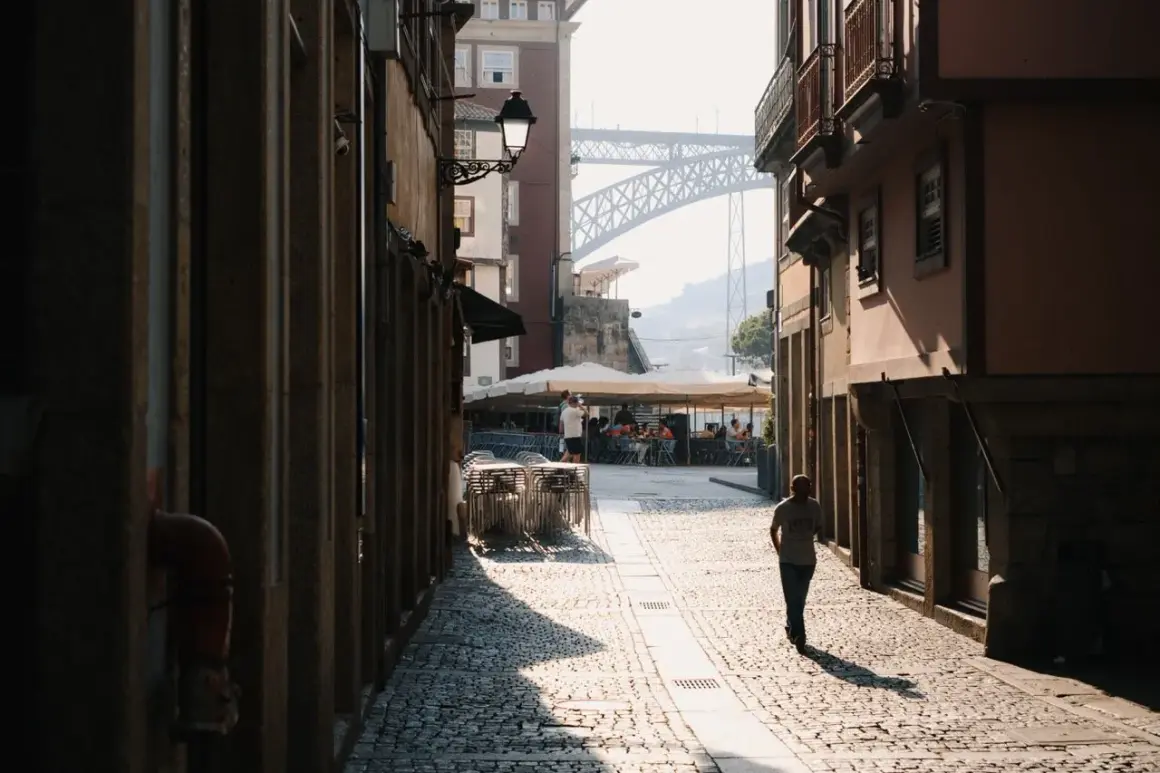
The best cities for street photography are rarely the ones with only famous skylines. They are the places where pedestrians, transit, architecture, weather, and daily routines keep colliding in ways that create real scenes, not just pretty backdrops. In this guide, I focus on the cities I would actually send someone to, what each one does well, and how to turn a short visit into a strong set of images.
What to look for before you book a flight
- Walkability matters more than hype. A compact district with constant foot traffic usually gives you more usable frames than a huge city that needs long rides between spots.
- Look for layered visuals. Good street scenes come from contrast: old and new buildings, formal and casual dress, quiet corners and chaotic intersections.
- Public life should be visible. Markets, transit hubs, plazas, waterfronts, and neighborhood streets create the rhythm that street work depends on.
- Light changes the city. The same block can look flat at noon and electric at golden hour or after dark.
- Your style should guide the choice. If you like candid portraits, a dense city helps; if you prefer graphic composition, geometry and reflections may matter more.
- Returning beats rushing. One focused neighborhood walk often produces more meaningful work than trying to “cover” an entire city.
What makes a city truly good for street photography
I judge a street-photography city by how many decisions it gives me in an hour. If I can walk for 20 minutes and find changing light, different personalities, and enough background variation to keep frames from looking repetitive, the city is doing its job. The most useful cities usually share a few practical traits, and they matter more than reputation.
| Factor | Why it matters | What I look for |
|---|---|---|
| Density | More people and movement mean more chances for timing and interaction | Busy sidewalks, transit stops, markets, and mixed-use blocks |
| Walkability | Street photography improves when you can stay on foot for long stretches | Compact neighborhoods, crossings that feel natural, and routes without dead zones |
| Visual contrast | Strong frames need tension between subjects and surroundings | Old against new, polished against rough, formal against improvised |
| Public rhythm | Markets, commutes, and neighborhood routines create repeatable moments | Morning rush, lunch crowds, evening strolls, weekend activity |
| Light | Good light can rescue an ordinary scene; bad light can flatten a great one | Open streets, reflective surfaces, shaded alleys, and strong side light |
| Social comfort | You will shoot better when you understand the local mood and boundaries | Places where you can observe without constantly fighting the environment |
That is why I never reduce this topic to landmarks alone. A city can be famous and still feel lifeless if it is too spread out or too rigid, while a less obvious place can produce better work simply because the street rhythm is stronger. Once those conditions are in place, the real question is which cities deliver them most consistently.
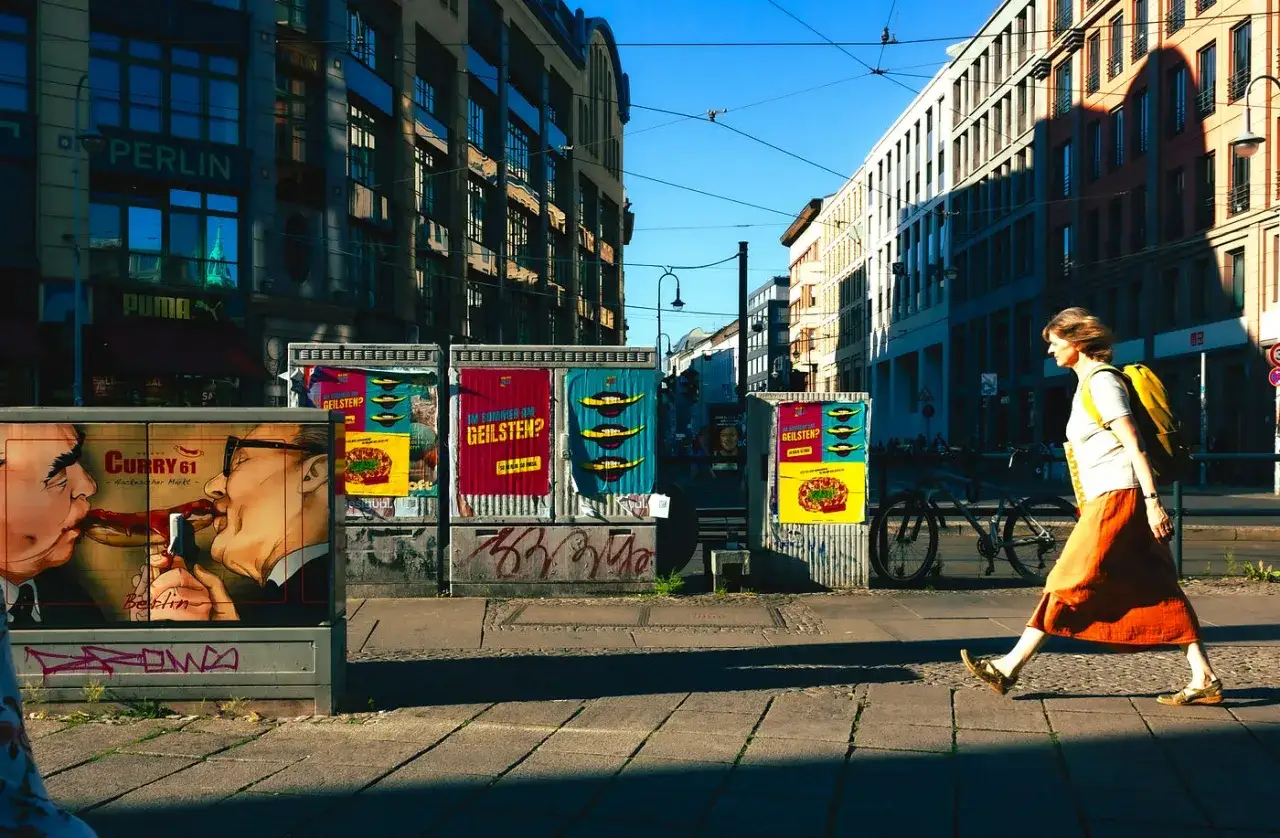
Cities that reliably give you more than postcards
I do not think of these as a ranking from one to eight. I think of them as different types of street-photography engines, each with its own pace and visual language. If you know what kind of work you want to make, the city choice becomes much easier.
| City | Why it works | Best for |
|---|---|---|
| New York City | Fast pace, dense sidewalks, subway culture, and endless visual variety | Candid portraits, layered scenes, bold urban energy |
| Tokyo | Sharp contrasts between order and chaos, strong night scenes, rich signage | Graphic compositions, reflections, low-light street work |
| London | Diverse neighborhoods, strong transit flow, and changing weather that keeps the streets alive | Long-form projects, documentary street work, mixed-culture scenes |
| Istanbul | Markets, ferries, layered history, and a constant sense of movement between worlds | Human texture, street life, transitional moments |
| Mexico City | Color, public life, expressive style, and neighborhoods that feel visually generous | Color-rich frames, social scenes, fashion-in-the-street moments |
| Chicago | Grid-based geometry, architecture, transit, and seasons that change the mood fast | Structure, silhouettes, winter light, urban storytelling |
| New Orleans | Music, festivals, street performance, and neighborhoods that reward slow observation | Expressive moments, cultural scenes, event-driven street work |
| San Francisco | Hills, fog, neighborhood character, and strong microclimates that change the look block by block | Atmospheric frames, hills-and-lines compositions, compact urban scenes |
What I like about this mix is that it shows how different the strongest street-photography cities can be. New York rewards speed and nerve. Tokyo rewards patience and visual precision. Istanbul and Mexico City give you strong human texture. Chicago, New Orleans, and San Francisco prove that the U.S. still has plenty of distinct visual terrain if you know where to look. The next step is choosing the city that fits your style instead of forcing your style to fit the city.
How I match a city to the kind of work I want
I make better images when the city and the idea are aligned. If I want quiet observation, I avoid places that only make sense during festivals or rush hour. If I want kinetic frames, I choose districts where people are already moving with purpose. That sounds simple, but it saves a lot of time.
For candid portraits
Choose dense sidewalks, busy market streets, and transit entrances. These places give you people who are already in motion, which makes it easier to capture natural expressions without staging anything. New York and London are reliable here, but so are parts of Mexico City and Istanbul where street life stays close to the ground.
For graphic and architectural frames
Choose cities with strong geometry, reflections, and layered facades. Tokyo is exceptional for this, especially after dark, because signage and glass give you clean visual structure. Chicago and San Francisco also work well when the light is low and lines become more important than pure crowd energy.
For color and social energy
Look for cities where clothing, walls, vehicles, and street vendors all contribute to the palette. Mexico City is strong because the color feels lived-in rather than decorative. New Orleans can do something similar during music-filled afternoons or neighborhood events, where the subject matter carries its own rhythm.
Read Also: Natural Product Photography - Master Window Light for Stunning Photos
For night work
Pick a city with real nighttime activity, not just decorative lighting. Tokyo is a standout because the city keeps moving after dark, and the visual contrast is built into the streets themselves. Parts of New York and Chicago can also be excellent if you are willing to work the reflections, storefronts, and slow shutter speeds.
Once you define the kind of frame you want, the city stops being a generic destination and starts acting like a tool. That leads naturally to the way I plan my first walk, because a good plan matters even in a great place.
The first walk I plan in a new city
I keep my first session simple. I do not try to conquer the whole city, and I do not spend the day chasing every famous corner. I usually pick one neighborhood, one backup area, and a time window when the streets are likely to be active. That approach gives me better work and fewer dead hours.
- Pick one primary route and one fallback route. I want enough structure to stay focused, but not so much that I become rigid.
- Start with 90 to 120 minutes on foot. That is usually long enough to settle into the pace of the city without getting mentally sloppy.
- Use one lens for most of the walk. A 35mm equivalent is still my default because it handles context and subject distance well.
- Target three scene types. I usually look for a portrait opportunity, a graphic frame, and an interaction or gesture that adds narrative.
- Review and adjust once. After the first stretch, I check what the city is really giving me and then shift the route instead of forcing the original idea.
I also watch the clock. Early morning can be cleaner and calmer, while late afternoon gives better depth and longer shadows. If I am working after dark, I keep the route shorter and closer to active streets so I am not spending energy on logistics. A tight plan usually beats a complicated one, which brings me to the mistakes that quietly wreck good opportunities.
The mistakes that flatten otherwise great streets
Most weak street portfolios are not caused by bad cities. They are caused by bad habits. I see the same errors over and over: people photograph only the famous locations, they move too fast to notice patterns, or they treat every city like a checklist instead of a living place. That usually leads to images that look generic.
- Chasing landmarks only. Famous places are useful, but they are rarely where the best street frames live.
- Shooting the same distance all day. If every frame has the same framing and angle, the city starts to feel smaller than it is.
- Ignoring light shifts. A street that looks dull at noon may become excellent at dusk.
- Moving without observing. The best subjects are often visible before you raise the camera.
- Forgetting local context. A gesture, sign, or outfit can mean something very different depending on the neighborhood.
- Assuming every public space feels the same. Transit stations, markets, and civic plazas often have different rules, rhythms, and social expectations.
I also think respect matters more than gear in this genre. If I plan to work inside transit hubs, markets, or other sensitive public places, I check the local rules and read the room instead of assuming the camera gives me a free pass. Good street photography should feel observant, not careless. That perspective is especially important when you return to the same place again and again.
Why the strongest project often starts at home
If I had to choose between one rushed trip and repeated walks in my own neighborhood, I would choose the neighborhood. Returning to the same streets in different weather, at different hours, and across different seasons teaches you more than a single trip ever will. You notice routines, recurring faces, changing light, and hidden visual patterns that are impossible to see on a first visit.
That is why your own city often belongs on the shortlist of great street-photography locations. You already understand the rhythm, which means you can work more patiently and notice more deeply. Travel cities can give you freshness, but home gives you depth, and depth is usually what turns decent street work into a body of work worth keeping.