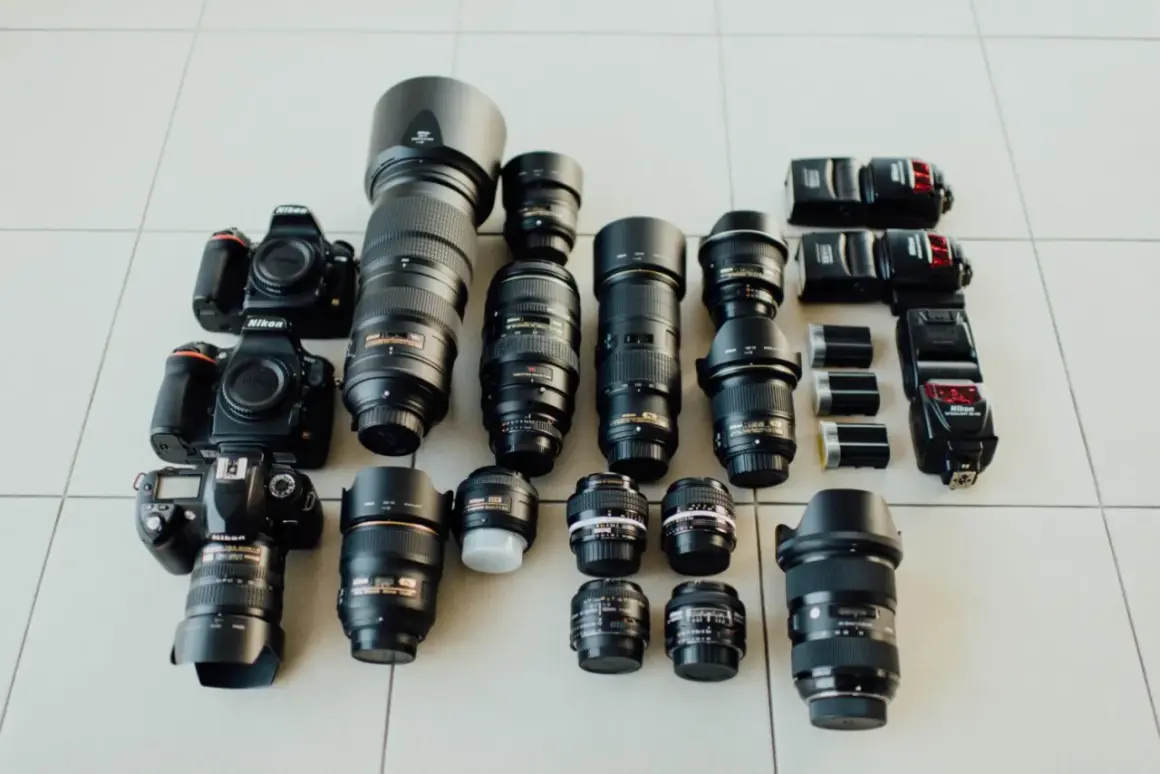
Choosing a camera is easier when you treat it as a workflow decision, not a spec contest. I usually start with the subject, the delivery format, and the budget, because those three things tell you whether you should buy a compact creator camera, an APS-C mirrorless body, or a full-frame system. Learning how to choose the right camera is mostly about avoiding expensive mismatches: too much camera for the job, or too little lens and feature support for the work you want to do.
The best camera is the one that matches your subject, workflow, and budget
- Start with what you shoot most often: travel, portraits, video, events, sports, or product work.
- In 2026, mirrorless is the default choice for most new buyers because it is lighter and the ecosystem is stronger.
- APS-C is the best all-around balance for many buyers; full-frame matters most when low light and background blur are priorities.
- The lens mount and lens lineup matter more than the body alone, because the body is easier to replace than the system.
- Budget for batteries, memory cards, and at least one good lens, not just the camera body.
Start with the job, not the spec sheet
When I narrow a camera purchase down, I begin with one blunt question: what do you want the camera to do that your phone cannot? That answer changes everything. A solo creator filming face-to-camera content needs different tools than someone shooting weddings, product photos, or wildlife from a distance.
Use these filters before you look at models:
- Stills, video, or both - A photo-first buyer can ignore some video extras, while a hybrid creator should care about audio ports, screen articulation, and heat management.
- Static or moving subjects - A portrait or product setup is forgiving; sports, kids, pets, and street work reward faster autofocus and better burst performance.
- Handheld or tripod-based - If you shoot mostly handheld, stabilization and good ergonomics matter more than a spec like maximum shutter speed.
- One lens or a system - If you want a simple walk-around setup, a compact camera or one versatile zoom can be enough. If you want room to grow, the lens system becomes the real investment.
This is where many buyers go wrong: they start with resolution, frame rate, or brand loyalty, then discover the camera does not fit the way they work. Once the job is clear, the sensor and body choices stop feeling abstract and start looking practical.
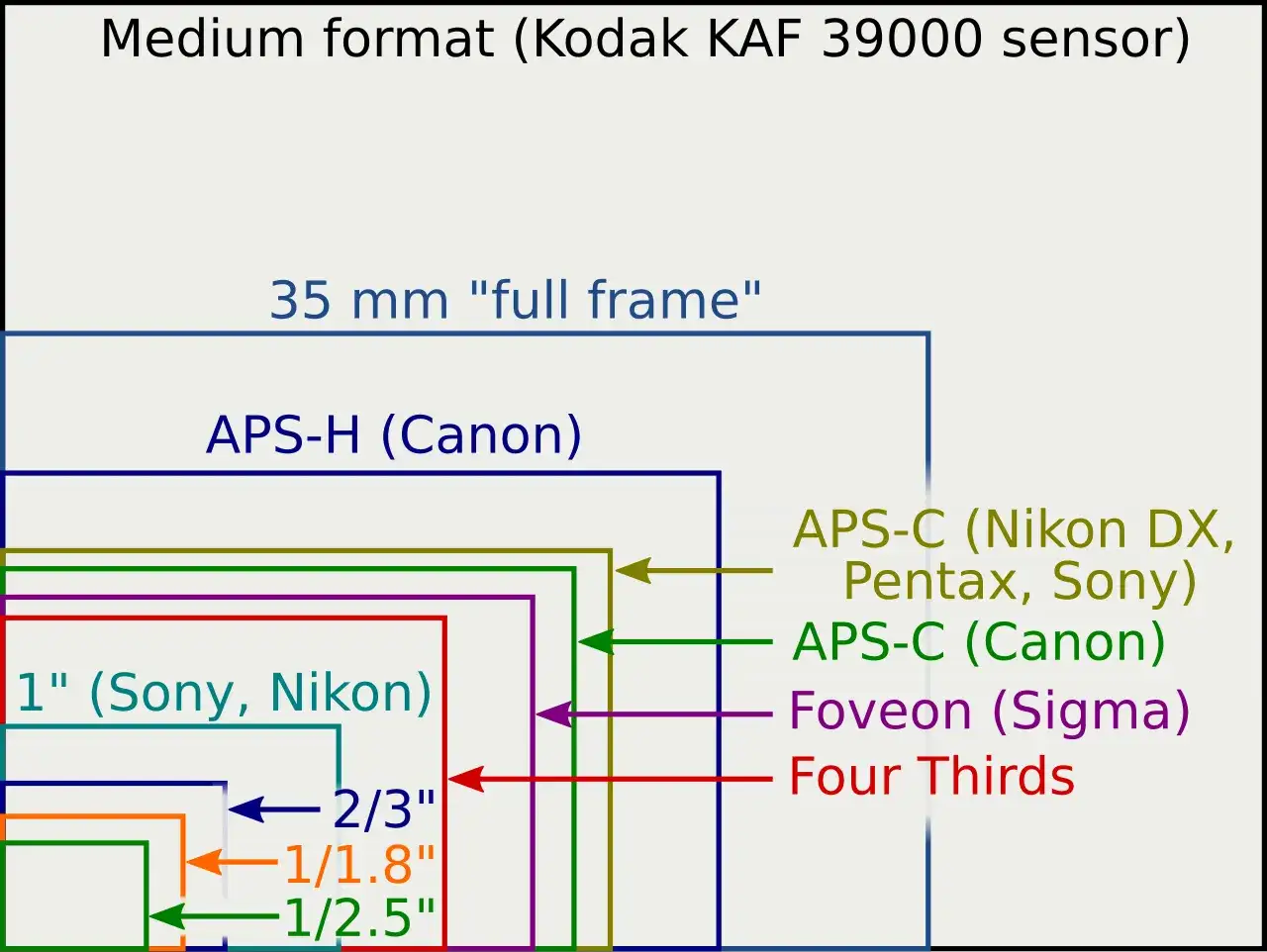
Sensor size and camera type shape the whole decision
The first major fork in the road is sensor size. In simple terms, a larger sensor usually gives you more control over depth of field, cleaner low-light performance, and a wider field of view with the same lens. A smaller sensor usually gives you a lighter, cheaper, more portable camera. Neither is “better” in isolation; the right answer depends on what you shoot and how much gear you want to carry.
For most buyers, these are the practical categories:
| Format | Why choose it | Tradeoff | Best fit | Typical 2026 U.S. budget |
|---|---|---|---|---|
| 1-inch-class compact | Very portable, simple to use, good for casual video and travel | Less lens flexibility, less subject separation, weaker low-light headroom | Creators who want one small camera they can carry everywhere | $500-$1,000 |
| APS-C mirrorless | Best balance of size, image quality, and lens cost | Less low-light headroom than full-frame, though still very capable | Beginners, travelers, and hybrid shooters who want value | $700-$1,600 |
| Full-frame mirrorless | Excellent low-light performance, more subject isolation, strong wide-angle flexibility | Higher body and lens cost, larger files, bigger lenses | Portrait, event, low-light, and commercial work | $1,800-$3,500+ |
| Used DSLR | Good value, mature lens market, optical viewfinder | Older video features, bulkier bodies, fewer new system updates | Budget buyers or people already invested in DSLR lenses | $300-$1,200 |
As a rule of thumb, APS-C sensors are roughly 22x15mm and full-frame sensors are 36x24mm. That difference affects more than image quality. It changes how a 35mm or 50mm lens behaves, because a smaller sensor crops the image and makes the lens act longer than it would on full frame. The crop factor is usually around 1.5x or 1.6x, depending on the brand.
For most people, 24 to 33 megapixels is the sweet spot. That is enough for prints, social media, client work, and moderate cropping without making files unnecessarily heavy. I only push higher than that when a buyer knows they need aggressive cropping, large prints, or highly detailed commercial work. Once you accept that, the next question becomes what lens system can actually support the camera you buy.
Think in terms of lenses and the system around the body
The body matters, but the lens mount determines how far you can grow. A camera body can be replaced in a few years; a good lens often stays in the bag for much longer. That is why I always look at the whole system, not just the front page of the spec sheet.
There are three practical lens questions to answer:
- What is your first lens? A kit zoom is fine for learning, but a fast prime or a better standard zoom usually makes a bigger difference in image quality and shooting pleasure.
- How strong is the lens lineup? A healthy mount has native lenses at several price levels, plus third-party options and used inventory.
- Can the system grow with you? If you start with travel photos, you may later want a portrait prime, a fast normal lens, or a telephoto for sports and wildlife.
On APS-C, a 35mm lens often behaves like a normal 50mm-ish view, which is why it is a favorite for street, casual portrait, and everyday use. On full frame, the same 35mm lens gives you a genuinely wider perspective that works better for interiors, landscapes, and documentary-style work. That difference sounds small until you are trying to frame a room, a product set, or a moving subject in tight space.
I also pay attention to adapter support and used-lens availability. Mirrorless systems tend to be more flexible here, and that flexibility matters if you want to mix in older glass or shop the used market. If you already own lenses, compatibility may be the single most important factor in the decision. That system view leads directly to the features that shape day-to-day shooting.
The features that actually change day-to-day shooting
It is easy to overvalue headline numbers and undervalue the things you touch every session. Autofocus behavior, screen design, stabilization, and battery life usually matter more in real life than a small jump in megapixels or a marketing-friendly burst rate.
If you shoot stills
- Eye and subject detection autofocus - This is a big deal for portraits, events, pets, and kids because it keeps the subject sharp with less babysitting.
- In-body image stabilization - IBIS helps steady handheld photos and video. It does not replace a fast shutter speed, but it makes a noticeable difference in low light.
- Electronic viewfinder quality - A good EVF helps you judge exposure and focus before you press the shutter. If you shoot outdoors a lot, this matters more than many beginners expect.
- Grip and button layout - If the camera is uncomfortable, you will use it less. I would rather have a slightly less flashy body that feels right in the hand.
Read Also: Hasselblad H2 - Is This Medium Format SLR for You?
If you shoot video
- Microphone input - If you care about sound, this is not optional. Camera audio improves, but an external mic still changes the result dramatically.
- Headphone jack - Useful when you need to monitor audio live, especially for interviews or client work.
- Vari-angle screen - This is one of the most practical features for solo creators, product demos, tutorials, and self-shooting.
- Reliable autofocus and cooling - Clean 4K means little if the camera overheats or hunts focus while you are speaking to camera.
- USB-C power and charging - Handy for long recording sessions, livestreams, and travel.
For video buyers, I would not obsess over 4K60 unless you truly need it. In practice, a camera with dependable autofocus, a good screen, clean 4K30, and the right audio ports is often more useful than a body that looks stronger on paper but is annoying to live with. The better question is whether the camera removes friction from your workflow.
Budget for the whole kit, not just the body
This is the part people underestimate most. A camera body is only the start. You also need at least one lens, batteries, a memory card, and usually a bag or small support item. If you shoot video, add a microphone. If you shoot handheld for long periods, add an extra battery or two.
I would think about budgets like this:
| Total budget | What it usually buys | Best for |
|---|---|---|
| Under $700 | Used DSLR, entry mirrorless body, or a compact creator camera | Learning the basics, casual travel, light social content |
| $700-$1,500 | A strong APS-C kit with a starter zoom and basic accessories | Most beginners, family photography, hybrid photo/video |
| $1,500-$3,000 | Advanced APS-C or entry full-frame with a better lens | Low light, portraits, client work, and more serious video |
| $3,000+ | A more complete full-frame system with faster glass and support gear | Professional use, demanding events, sports, and high-end hybrid work |
In a realistic starter setup, I would budget another $150-$300 for batteries, cards, and a bag, plus $200-$800 for the first serious lens if it is not bundled with the body. That is why a cheaper camera body is not always the cheaper purchase. A well-priced body with expensive lenses can cost more than a better-balanced kit that was planned properly.
If the budget is tight, buying used can make sense, especially if the mount still has active lens support. I am more cautious only when the system is clearly at the end of its life or when repair and battery support are getting thin. That is also where the common buyer mistakes start to matter.
The mistakes I see most often when people buy a camera
Most bad camera purchases are not bad because the gear is terrible. They are bad because the gear does not match the job or the owner’s patience level.
- Buying megapixels instead of a system - A 45MP body is not automatically better than a 24MP body if the lens is weak, the autofocus is poor, or the files are more than you need.
- Choosing full frame too early - Full frame is excellent, but it is not a free upgrade. Lenses cost more, bodies are larger, and the whole kit becomes harder to carry.
- Ignoring ergonomics - A camera that feels awkward in your hand will not get used enough to justify the purchase.
- Forgetting audio - Video buyers often fixate on resolution and forget that bad sound ruins a good picture faster than anything else.
- Buying into a weak mount - If the native lens lineup is thin, you may save money on the body and then get stuck later.
- Assuming features solve technique - Stabilization, burst rate, and autofocus help, but they do not replace good framing, light, or shutter discipline.
The cleanest way to avoid those mistakes is to slow the purchase down. Narrow the camera list to two bodies, then compare them with the same lens, the same budget, and the same kind of shooting you actually do. That brings the decision into focus much faster than reading specs in isolation.
The final filter I use before I recommend a camera
If I had to reduce the whole decision to one check, I would ask whether the camera removes friction from your specific workflow. For travel and everyday use, portability often wins. For portraits, events, and low-light work, lens quality and sensor size matter more. For video, autofocus, screen design, and audio support should outrank pure resolution almost every time.
- If you mostly shoot daylight stills and want a lighter kit, APS-C is usually the safest choice.
- If you want stronger background blur, better low-light performance, and more wide-angle flexibility, full frame is worth the extra cost.
- If you want a camera for self-shooting or social video, prioritize a vari-angle screen, mic input, and dependable autofocus first.
- If you are not sure yet, rent or test the body for a day and handle it in real light, not just under showroom lighting.
That is the simplest way I know to choose a camera that still feels right six months later. If you keep the subject, the lens ecosystem, and the total kit cost in view, the decision becomes much clearer, and the camera starts working for you instead of against you.