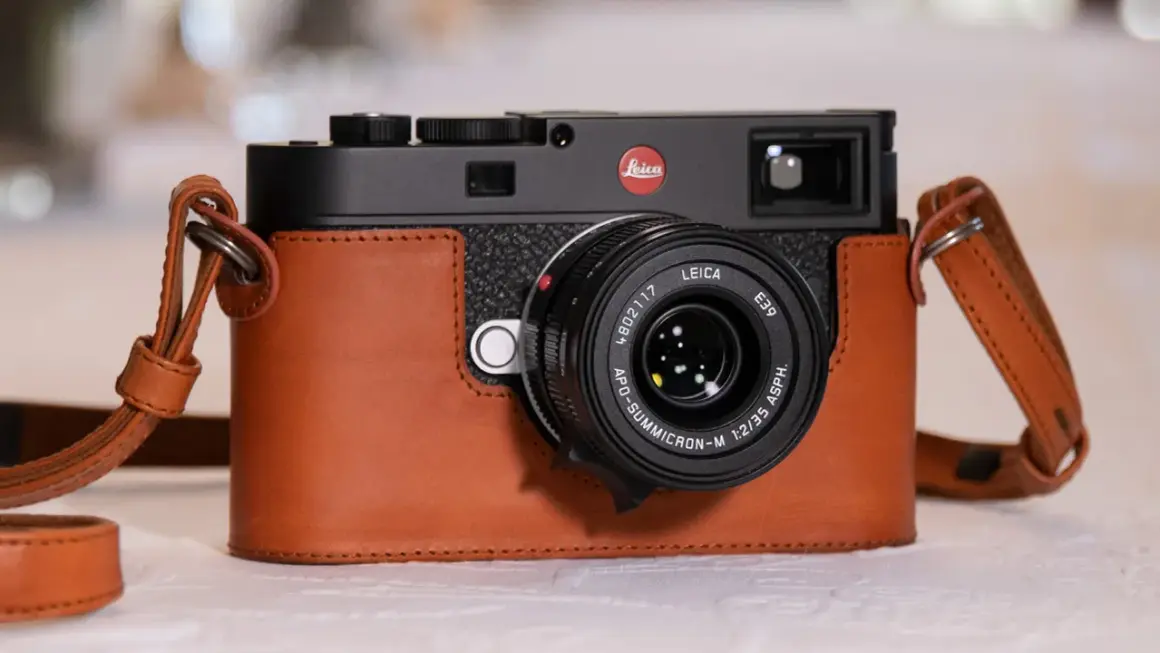
Leica cameras sit in a different category from most mainstream mirrorless bodies: they are built around glass, feel, and a slower kind of precision. Are Leica cameras good? In the right context, absolutely - but the answer depends on whether you care more about image quality, shooting style, or outright speed. In this article I break down where Leica really shines, where it still asks for compromise, and which Leica family actually makes sense for different kinds of photographers.
Leica is a premium choice that rewards intentional photographers
- Image quality is consistently excellent, especially when Leica lenses and color tuning are part of the package.
- The Q3 and Q3 43 are the easiest all-round picks if you want a single compact camera with a fixed lens.
- The M line is for manual-focus purists; it is beautiful, deliberate, and slower by design.
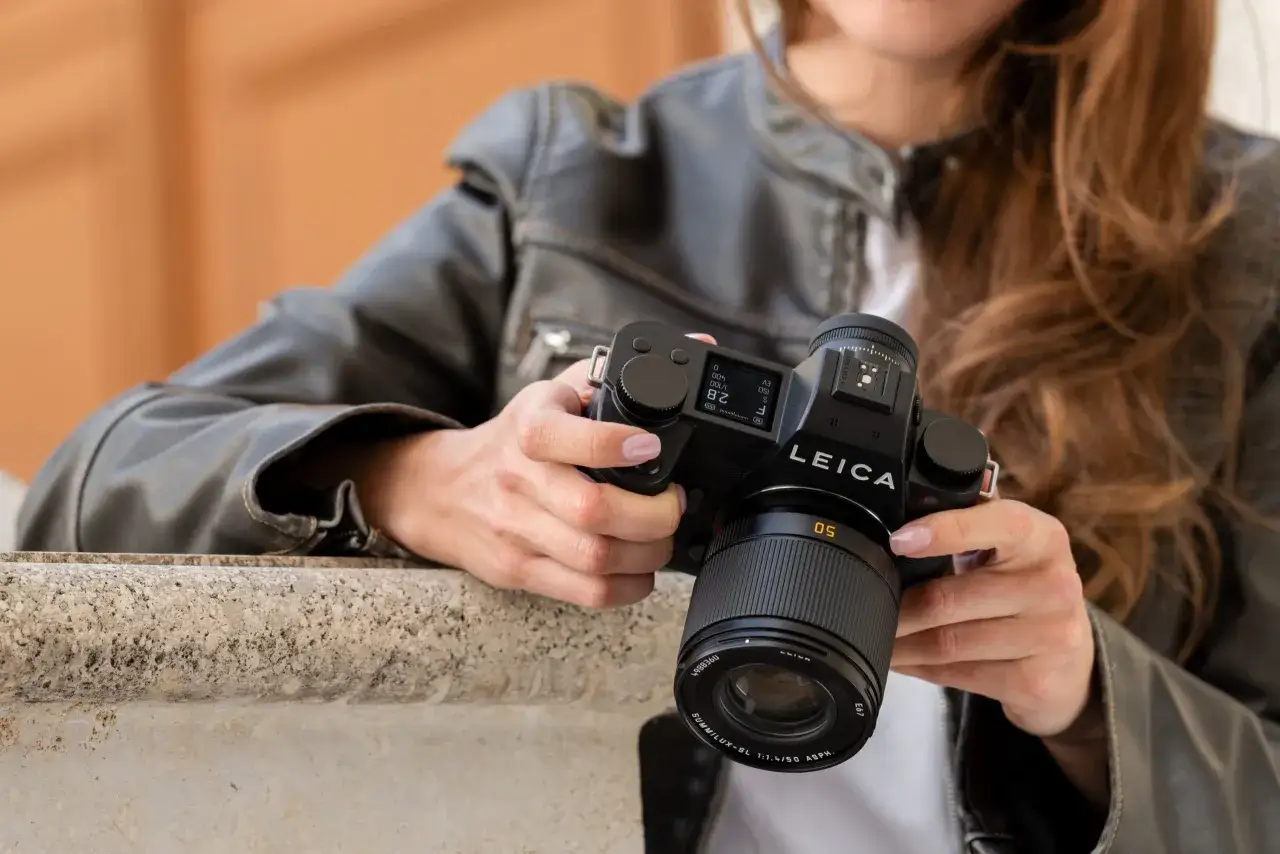
- The SL system is the most practical Leica system for hybrid shooters who need interchangeable lenses, IBIS, and modern autofocus.
- The real cost is the system, because Leica bodies are only the start and lenses can push the budget up fast.
- Leica makes the most sense when the shooting experience matters as much as the final file.
Why Leica earns its reputation
Leica’s reputation is not built on one magic feature. It comes from a stack of small decisions that add up: strong optical design, sturdy bodies, restrained menus, and images that tend to look finished without much work. The current Q3, for example, uses a 60.3MP full-frame sensor, a fixed Summilux 28mm f/1.7 lens, and hybrid autofocus, while the Q3 43 swaps in a 43mm APO lens for a more natural perspective. That is the kind of hardware choice that tells you Leica cares about the final image first.
What people call the “Leica look” is usually a mix of lens contrast, color rendering, and careful sharpening rather than some mysterious sensor advantage. In practice, that means clean files, strong micro-contrast, and pleasing skin tones that often need less correction before they are usable. I also think Leica’s triple-resolution approach on models like the Q3 and SL3 is genuinely useful, because it lets you work at 60, 36, or 18MP depending on how much detail you need.
The best part is that Leica’s strengths show up in real work, not just spec sheets. For street, travel, portrait, and editorial photography, a camera that starts with good color and excellent lens rendering saves time later. That matters more than a lot of people admit, and it leads directly into the tradeoffs you have to accept to get there.
Where Leica cameras still ask for compromise
Leica is strong on output, but it is not the brand I would pick if I wanted the most automation for my money. Autofocus has improved a lot in the Q and SL lines, and the SL3 family now offers hybrid AF, but Sony, Canon, and Nikon still tend to win on speed, tracking, and subject recognition. On the M series, autofocus is not the point at all; rangefinder or EVF-based manual focus is part of the experience, which is either a joy or a deal-breaker depending on how you shoot.
| Area | What Leica gives you | What you give up |
|---|---|---|
| Autofocus | Good enough for many everyday subjects, especially on Q and SL bodies | Less confidence with erratic motion than the fastest Canon or Sony systems |
| Video | Useful video on Q3 and serious video on the SL line | Less of a video-first ecosystem, and fewer hybrid shortcuts than the best mainstream rivals |
| Price | Premium build and premium optics | A very high entry cost; a US Q3 is about $7,350, the Q3 43 is $6,895, and the new SL3-P is $6,690 before lenses |
| Convenience | Simple controls and a focused feature set | Fewer computational tricks and less automation than many competitors |
| System cost | Outstanding lenses and long-term usability | The body is only the start; M and SL lenses can drive total cost up quickly |
That is why I would never describe Leica as the obvious value play. It is a deliberate purchase, and the total bill only makes sense if you care about the way the camera behaves in your hands, not just the image it spits out. Once that is clear, the next step is matching the right Leica family to the right kind of photographer.
Which Leica system matches your work
If I reduce the lineup to the essentials, three use cases stand out. The Q series is the easiest one-camera solution, the M series is the purist stills choice, and the SL series is the workhorse system. Leica now also has the M EV1, which keeps the M lens mount but adds a built-in EVF, so it is a more forgiving way to shoot manual-focus lenses without the traditional rangefinder window.
| Leica family | Best for | Main strength | Main limitation |
|---|---|---|---|
| Q3 / Q3 43 | Travel, street, everyday storytelling | Fixed-lens simplicity, excellent files, and a compact body that is genuinely easy to carry | You live with one focal length, which is freeing for some shooters and limiting for others |
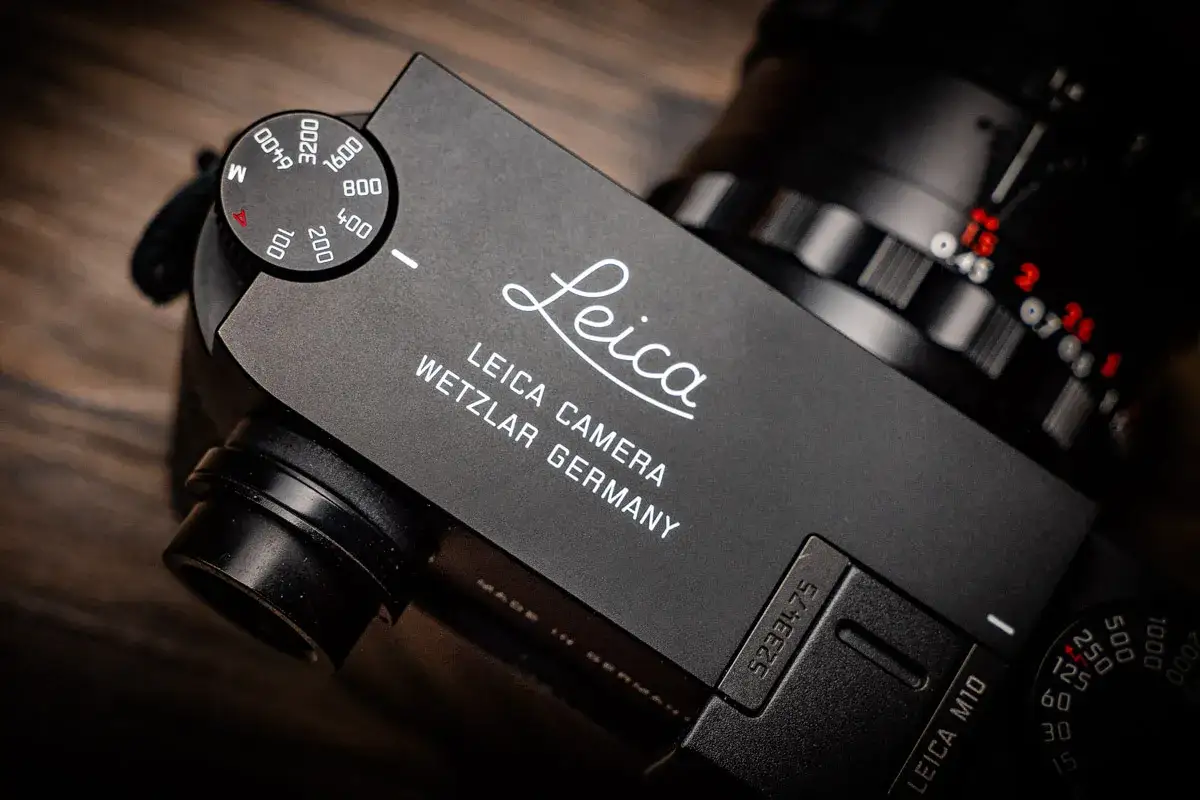
| M11 / M EV1 | Manual-focus stills, portrait work, documentary, people who enjoy slowing down | Classic handling and a deeply satisfying shooting rhythm | Less speed and less automation, especially if your subjects move unpredictably |
| SL3 / SL3-P / SL3-S | Hybrid photo/video, paid work, interchangeable-lens setups | IBIS, modern autofocus, sealed bodies, and the most flexible Leica platform | Heavier system, and the lenses are expensive enough to change the buying decision on their own |
If you want the cleanest entry into Leica without building a lens shelf, I would start with the Q3. If you already love manual focus and want the classic Leica rhythm, the M line is still the purest expression of that idea. If you actually need a camera that can work on client jobs, mixed stills-and-video assignments, or more demanding production days, the SL family is the one that makes the most practical sense. That split is the real answer to how Leica should be judged, because “good” means something different in each system.
Who should buy Leica in 2026
I would buy Leica if I wanted a camera that encourages me to shoot with more intention. That is not marketing language; it is how the cameras actually feel. The controls are simpler, the files are strong, and the whole setup pushes you toward composition, timing, and lens choice rather than endless menu diving.
- Buy Leica if you mostly shoot stills and value image character, build quality, and a refined shooting experience.
- Buy Leica if you print your work, crop selectively, or want files that look strong straight out of camera.
- Buy Leica if you are okay paying a premium for the body and then another premium for lenses.
- Skip Leica if your work depends on fast subject tracking, sports, wildlife, or other situations where autofocus speed matters most.
- Skip Leica if you want the best specs-per-dollar or the widest feature set for video and hybrid production.
That is also why I would compare Leica less with “the best camera” and more with “the camera that fits my habits.” If you are the kind of photographer who likes a tool to disappear and a workflow to stay simple, Leica can feel unusually right. If you want maximum automation, a modern mainstream body will usually be the smarter purchase.
My buying rule for Leica in 2026
I would not buy Leica to win a spec sheet contest. I would buy it only if the way it handles, focuses, and renders images actually changes how I work. That is the real value proposition, and it is why Leica owners can be so loyal even when they know cheaper cameras exist that are faster or more versatile.
The honest answer is that Leica cameras are excellent tools, but they are also luxury tools. They deliver superb optics, premium build quality, and a very focused shooting experience, yet they ask you to accept slower autofocus in some models, fewer conveniences in others, and a much higher total system cost. If that tradeoff fits your style, Leica can be deeply satisfying; if it does not, a more conventional mirrorless system will probably serve you better.