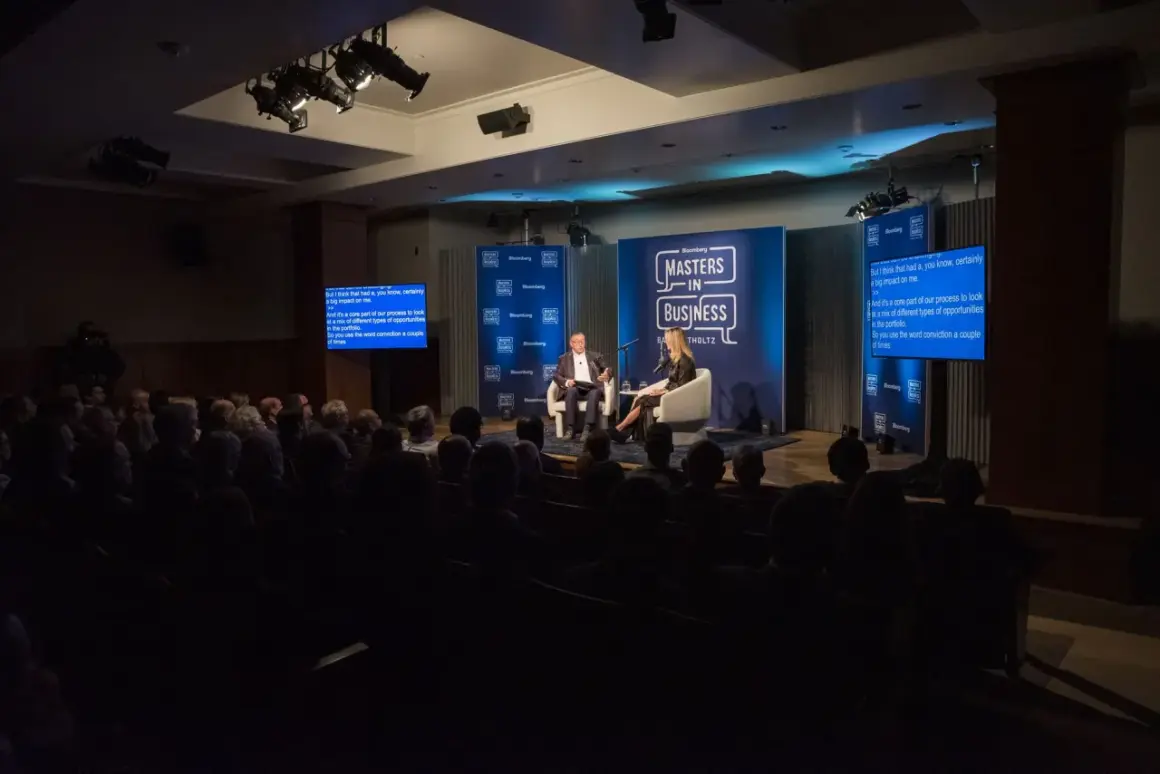
Conference photography is really about turning a live business event into a usable visual story: who spoke, how the room responded, which brands were present, and whether the whole event felt credible and well-run. The best coverage does not just document the day; it gives marketing, PR, sales, and internal teams images they can use immediately and again months later. In this guide, I focus on the subjects, styles, preparation, gear, etiquette, and pricing that actually shape strong conference coverage in the United States.
What matters most in conference coverage
- Context first. Wide room shots, stage setup, signage, and sponsor branding make the gallery useful beyond social media.
- People second. Keynotes, panels, audience reactions, and networking moments give the event credibility and energy.
- Planning beats improvisation. A clear agenda, priority list, and no-photo list prevent missed moments and awkward interruptions.
- Fast, quiet gear matters. Two camera bodies, versatile zoom lenses, backup cards, and extra batteries are the basics I would not skip.
- Pricing should reflect use. U.S. conference coverage is often quoted by the hour or by project, with rush delivery and extra shooters priced separately.
What conference coverage needs to accomplish
I think the biggest mistake people make is treating event images as if they only need to look good in isolation. A strong gallery has a job to do. It should prove the event happened, show that people attended, make the speakers look credible, and give the brand a bank of images that work in recap posts, sponsor decks, newsletters, and next year’s promotion.
That is why I judge every frame against a simple question: who will use this image, and what will they need it to say? A wide shot of the venue can help a marketing team sell scale. A clean portrait of a keynote speaker can support a press release. A candid hallway conversation can tell a better story than a dozen posed images because it feels real. If the gallery cannot answer those downstream needs, it is pretty but incomplete.
I also separate “coverage” from “content.” Coverage is the full record. Content is the subset that gets reused. The content usually comes from the same event, but not from the same mindset. That distinction matters, because it changes how I move through the room and what I prioritize first. Once those uses are clear, the next step is deciding which subjects and visual styles will serve them best.
The subjects and styles that matter most
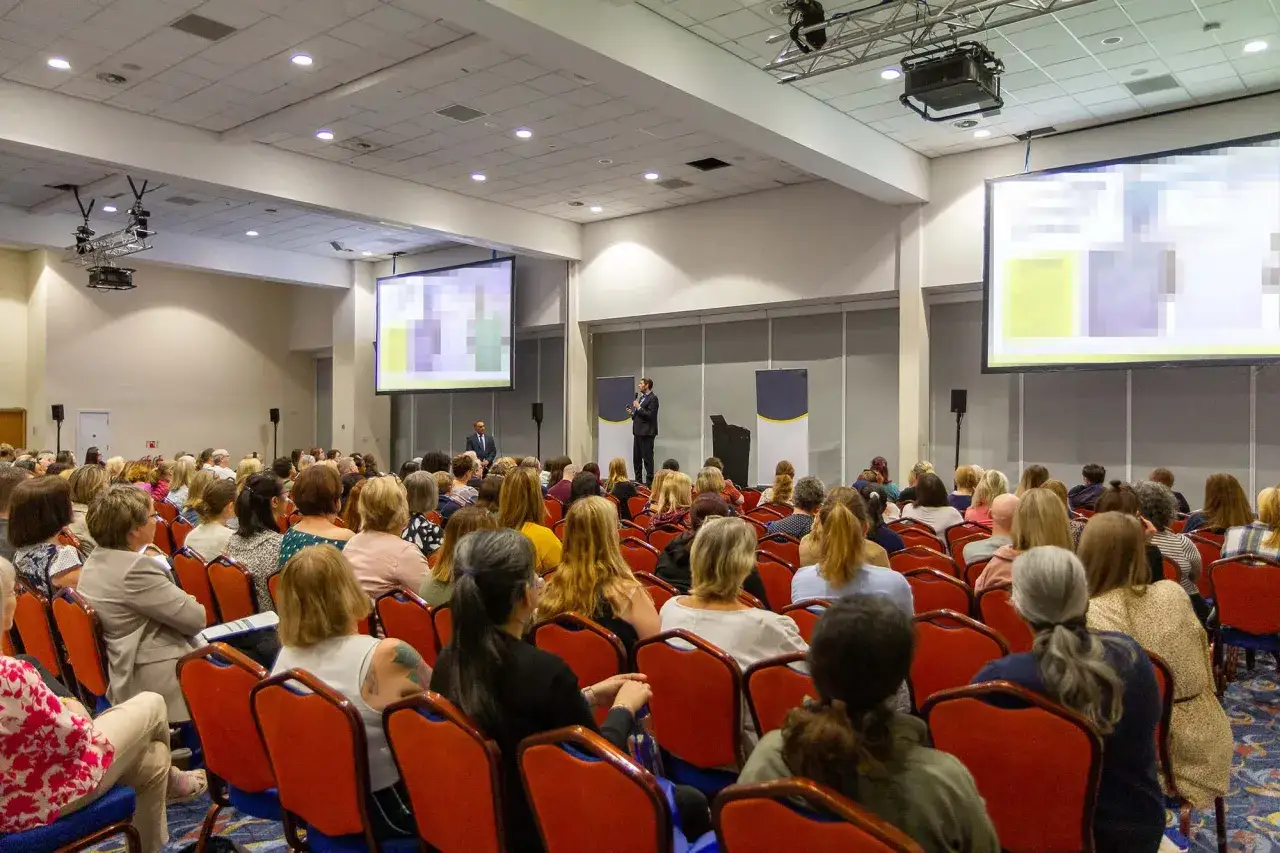
Conference work is not one visual style. It is a mix of documentary coverage, environmental portraiture, detail photography, and a little bit of brand journalism. I want the gallery to feel alive, but I also want it to be organized enough that a client can pull assets without spending an afternoon searching through hundreds of nearly identical frames.
| Style or subject | What I look for | Why it matters | Where it can fail |
|---|---|---|---|
| Documentary candids | Networking, applause, note-taking, hallway conversations | Shows the real mood of the event and makes the gallery feel human | Can miss sponsor branding or speaker moments if I rely on it alone |
| Environmental portraits | Speakers, VIPs, hosts, sponsors in context | Gives polished hero images for web, PR, and LinkedIn | Needs time, access, and cooperation from the subject |
| Stage and keynote coverage | Presenter gestures, audience reactions, screen moments, panel dynamics | Documents the intellectual core of the conference | Lighting can be difficult, especially when slides are bright and rooms are dim |
| Detail-led coverage | Badges, signage, program materials, sponsor walls, catering, name cards | Supports recap posts and makes the production feel intentional | Looks thin if the gallery contains only objects and no people |
What usually works best is a rhythm: establish the venue, capture the program, photograph people interacting, then return for details that strengthen the story. That mix gives the gallery range without making it chaotic. It also helps me avoid the trap of shooting only the obvious moments, because the best frames are often the ones between them. To get those frames consistently, I need a plan before the first badge is scanned.
How I plan the day before the first badge is scanned
The work starts well before the event opens. I ask for the run of show, speaker list, sponsor priorities, venue notes, and any restrictions around photography. If the client has a no-photo list, I want it early, not after I have already photographed someone who should have been left out. That one detail saves embarrassment and wasted time.
My planning usually breaks down into three parts:
- Agenda mapping. I mark the exact moments that cannot be missed, such as the opening keynote, awards, executive remarks, or a sponsor reveal.
- Location scouting. If possible, I check lighting, aisle access, back-of-room positions, and places where I can shoot without blocking attendees.
- Output planning. I decide which images need to be delivered quickly, which can wait, and whether the client needs vertical crops for social platforms or wider frames for web and print.
For anything larger than a small meeting, I also think about whether a second photographer is worth it. Once an event passes roughly 250 attendees or splits into parallel sessions, one person can still do the job, but coverage becomes a trade-off. You can have the keynote, or the networking room, or the breakout session. You rarely get all three cleanly without backup. That is the point where planning stops being administrative and starts shaping the quality of the final gallery, which brings me to the gear I trust in real venues.
The gear and settings I trust in real venues
Conference spaces are inconsistent. One ballroom is bright and even, the next is warm, dim, and full of mixed color temperatures. That is why I prefer gear that gives me flexibility rather than perfection on paper. Two camera bodies are ideal because changing lenses during a keynote is a bad way to miss a moment. A 24-70mm lens handles most general coverage, and a 70-200mm lens is the difference between usable stage shots and blurry, obstructive ones from the back of the room.
For settings, I usually want speed and control over cleverness. Aperture priority or manual exposure with auto ISO is often the cleanest approach in conference halls, because lighting changes fast and subjects move unpredictably. For moving people, I like a minimum shutter speed around 1/250 second when I can get it. If the room is dark and the subject is fairly still, I may drop lower, but I would rather accept a little noise than deliver motion blur.
| Tool or setting | How I use it | Why it helps |
|---|---|---|
| Two camera bodies | One wide or normal zoom, one telephoto | Lets me switch angles instantly without lens changes |
| 24-70mm lens | General coverage, networking, stage-wide scenes | Flexible enough for most situations |
| 70-200mm lens | Keynotes, panels, audience reactions from a distance | Compresses the scene and keeps me unobtrusive |
| Auto ISO | Adapts to changing room light | Reduces exposure mistakes when the pace is fast |
| Backup cards and batteries | Always on hand, always ready | Prevents a technical failure from becoming a client problem |
I do use flash sometimes, but selectively. A small bounce flash can help at receptions, awards dinners, or posed group shots. I am far more cautious during speaker sessions, where flash can distract the room and cheapen the feel of the images. The rule is simple: use light when it improves the story, not when it announces my presence. That same principle shapes how I move through the room.
How I stay invisible without missing the story
The best event photographers are present without becoming part of the event. I move quietly, avoid standing in one place too long, and position myself so I never block the audience’s view. If I am working near a stage, I think like the production team: where is the cleanest angle, what is the least disruptive route, and how do I stay out of the videographer’s frame?
Respect matters as much as timing. I avoid photographing private or sensitive moments, I follow the no-photo list, and I do not treat candid coverage as permission to be careless. People eating, whispering, or stepping away from the main action usually are not the images that make the final edit unless they serve a real editorial purpose. Good judgment matters here because the goal is to document the room, not raid it for random content.
There are a few mistakes I see often, and they are easy to avoid once you know to watch for them:
- Shooting everything from the back of the room and ending up with a gallery full of tiny faces.
- Overusing flash and flattening the atmosphere of the venue.
- Ignoring sponsor signage, badges, and branded backdrops that the client paid to display.
- Waiting for “perfect” moments instead of capturing usable sequences of action and reaction.
- Forgetting that hallway conversations and coffee breaks often tell the story better than the stage itself.
When I handle those details well, the event feels smooth for everyone else in the room. The client gets coverage, attendees get space, and the gallery gets more depth. From there, the next practical question is budget, because pricing should reflect the actual scope of the job.
What coverage costs in the United States
In the U.S., event coverage is usually priced by the hour for smaller jobs and by project for conferences that last more than a day. For mid-level professionals, $200 to $350 per hour is a common working range in many markets. In larger cities or for specialist corporate work, the range often moves closer to $350 to $500+ per hour. Half-day coverage commonly lands around $1,200 to $1,800, while full-day coverage often falls around $2,400 to $3,800. Multi-day conferences are usually quoted as a flat project rate that starts around $4,500 and rises with complexity.
| Coverage type | Typical U.S. range | What it usually includes | Best for |
|---|---|---|---|
| Hourly coverage | $200-$350 per hour, sometimes higher in major markets | On-site shooting, standard editing, gallery delivery | Short receptions, panels, small internal meetings |
| Half-day package | $1,200-$1,800 | About four hours, planning, edits, online gallery | Morning programs, evening sessions, award dinners |
| Full-day package | $2,400-$3,800 | About eight hours, more extensive edits, gallery delivery | Single-day conferences and all-day summits |
| Multi-day project | Starts around $4,500 | Project planning, extended coverage, often rush selects | Multi-track conferences, annual meetings, trade events |
Price alone tells you very little unless you know what is included. I look for planning time, edited delivery, licensing terms, insurance, backup gear, and turnaround speed. Rush delivery, a second shooter, on-site editing, and expanded usage rights can all add cost. In practical terms, the cheapest quote is often the one that leaves out the services clients end up needing most. That is why deliverables matter as much as the shoot itself.
What makes the images useful after the conference ends
Once the event is over, the gallery should still work. The strongest images have multiple lives: a recap article today, a sponsor report next week, a social campaign next month, and a registration page for next year. If I want the photos to keep earning their place, I need to think beyond the obvious hero frames.
That means planning for different crops, different audiences, and different levels of polish. I often deliver a mix of wide contextual images, speaker portraits, audience reactions, and detail shots that give editors room to build. A single sharp keynote image is useful, but a gallery with broad coverage is much easier to repurpose. It also helps if the photographer or marketing team can identify the strongest selects quickly and file them with clear names, since no one wants to search through hundreds of files to find the one image of the opening panel.
If there is one thing I would add for clients, it is this: decide how the images will be used before the first shot is taken. That one decision shapes framing, pacing, and delivery far more than most people expect. When the plan is clear, the event produces more than documentation. It produces a library of assets that can keep working long after the room has emptied, and that is the real value of conference photography.