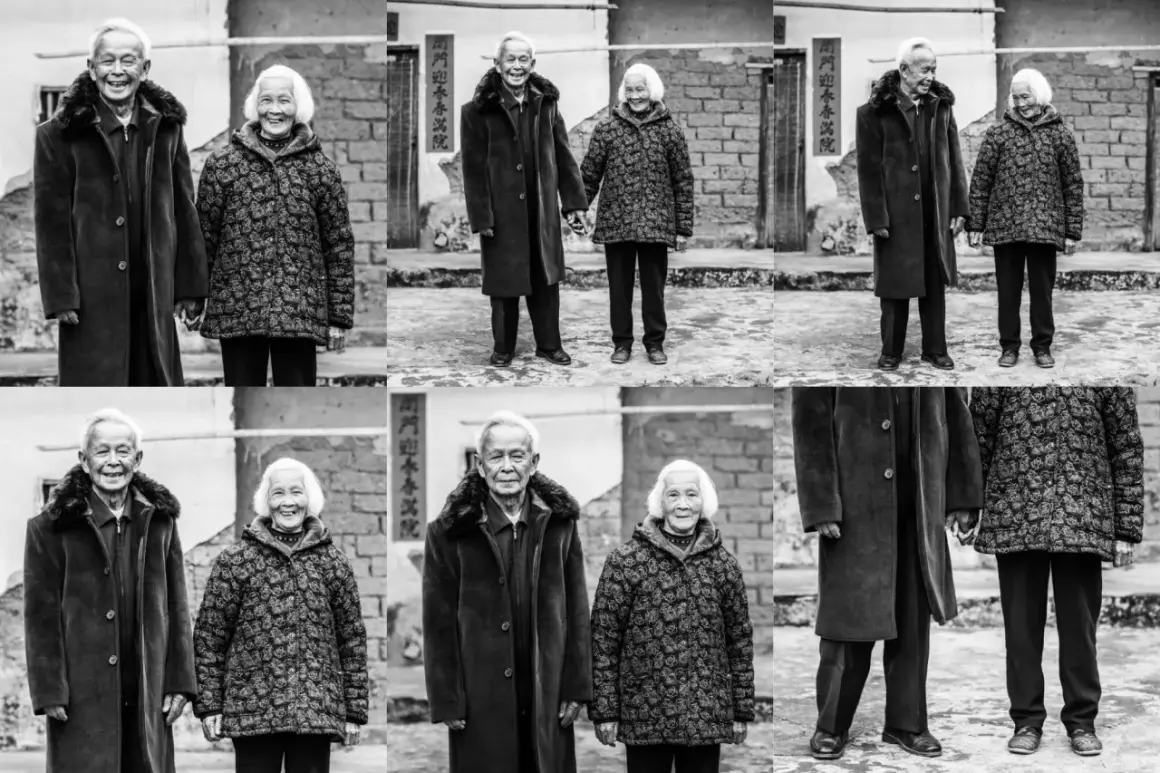
A strong photo essay is not built on luck. It comes from a subject with movement, contrast, and a clear visual point of view, then a sequence that lets the story unfold without overexplaining it. The best photo essay ideas usually start close to home: a work routine, a neighborhood, a family ritual, a place in transition, or a process that changes over time. In this guide, I’ll show how to choose a subject, how to shape it into a sequence, and which themes are most dependable when you need images that actually hold together.
What matters most before you start shooting
- Choose a subject with change. A photo essay needs movement, tension, or development, not just a pretty scene.
- Work with a narrow premise. One clear idea is easier to photograph and edit than a broad topic with no focus.
- Plan for 8 to 12 strong images. That range is usually enough for a web-friendly essay without padding.
- Mix wide shots, portraits, and details. Variety is what keeps the viewer reading the sequence.
- Pick a subject you can access repeatedly. The best stories often come from returning to the same place or person more than once.
- Edit hard. If a frame does not add information, contrast, or emotion, it probably does not belong.
What makes a strong photo essay subject
When I evaluate a subject, I look for three things first: visual variety, narrative movement, and access. If all three are missing, the project will probably feel flat even if the individual images are attractive. A good subject gives me a beginning, a middle, and an ending, or at least the suggestion of one.
That is why some topics keep working over and over: a daily routine, a transition, a craft process, a community event, or a place under pressure. They naturally create contrasts between wide and tight frames, quiet moments and active ones, and people and environment. If the subject can also be revisited over several days or weeks, the essay gets stronger because I can capture layers instead of only first impressions.
I also ask one practical question before I commit: can I photograph this subject in a way that feels specific? “School” is too broad. “A high school theater program during production week” is much better. “Work” is vague. “The night shift inside a 24-hour bakery” gives me texture, rhythm, and a reason for every frame. That narrowing process is usually where the real story appears, and it leads directly to stronger themes.
Photo essay ideas that work because they already contain movement
Most of the best photo essays are not about inventing drama. They are about finding a subject where change is already built in. I tend to return to themes that naturally produce a sequence, because they are easier to shoot, easier to edit, and much easier for a reader to follow.
| Idea | Why it works | Best visual angle |
|---|---|---|
| A day in the life of one person | It gives you a clear timeline and a natural structure from morning to night. | Use routine, transitions, and small details that reveal personality. |
| Behind the scenes at a small business | There is usually movement, tools, hands at work, and a built-in sense of process. | Mix portraits, equipment, workspace details, and customer interactions. |
| A neighborhood in transition | Change creates tension, which makes the story easier to shape. | Show old and new elements side by side, plus the people affected by the shift. |
| A family ritual or tradition | Repeated gestures and familiar spaces create emotional continuity. | Look for intergenerational moments, hands, table settings, and expressive faces. |
| A commute or transit routine | It has movement, repetition, and a strong visual rhythm. | Work with motion, reflections, stations, waiting areas, and crowd patterns. |
| A craftsperson at work | The process gives you structure, and the tools become part of the story. | Focus on close-ups of hands, materials, and the finished object in context. |
| A renovation or home project | Transformation is easy to read visually, even without much text. | Document before, during, and after states so the change feels earned. |
| A school or rehearsal process | Practice, performance, nerves, and final results give the essay a built-in arc. | Capture preparation, concentration, mistakes, and the final reveal. |
| A local market or community gathering | It offers people, color, activity, and small details in one place. | Balance wide crowd scenes with close portraits and product details. |
| Seasonal change in one location | The subject stays the same while the light, weather, and mood shift. | Return to the same vantage point to make the change unmistakable. |
| A volunteer effort or community service project | It combines action, purpose, and visible impact. | Show the work, the people doing it, and the result it creates. |
| A personal object or collection | Simple subjects can become powerful when they reveal identity or memory. | Use symbolic details, repetition, and controlled lighting to keep it intimate. |
If I had to choose one rule here, it would be this: pick a subject that changes while you are photographing it. A static subject can still work, but it needs stronger composition and more deliberate framing. A subject with built-in movement usually gives you more room to tell a real story. From there, the next decision is not just what to shoot, but how the essay should look and feel.
How to match the subject to a visual style
The subject matters, but the style matters just as much. Two photographers can shoot the same topic and end up with completely different essays, because one is working documentary style while the other is leaning into portraiture or symbolism. I think of style as the lens that controls the tone of the story.
| Style | When to use it | What to watch for |
|---|---|---|
| Documentary | Best for real-life situations where context matters more than polish. | Avoid repeating the same moment from different angles without adding new information. |
| Portrait-led | Best when the story lives in people, identity, or emotion. | You need enough time with the subject to get relaxed, honest expressions. |
| Detail-driven | Best when access is limited or the process is the real story. | Details must still connect back to the larger theme or they feel decorative. |
| Place-based | Best for neighborhoods, venues, homes, or environments with a distinct character. | Don’t let the location swallow the people who give it meaning. |
| Symbolic | Best when you want mood, metaphor, or a more reflective tone. | If the idea is too abstract, the essay can become vague very quickly. |
| Editorial | Best when the images need to feel polished, structured, and publication-ready. | Style should support the story, not overpower it with heavy treatment. |
For most online photo essays, I like a hybrid approach: documentary structure, portrait energy, and enough detail shots to keep the sequence breathing. That mix tends to work well on a web page because the viewer can move from the overall scene to the human face to the small visual clue that makes the story feel specific. Once the style is clear, sequencing becomes much easier.
How to sequence images so the essay feels intentional
A photo essay does not need dozens of images. In practice, 8 to 12 well-edited photos usually tell the story better than a longer set with weak transitions. I would rather see six strong frames than fifteen that repeat the same idea. The sequence should feel like a reader is moving through a short piece of writing, not browsing a loose gallery.
- Start with an establishing frame. Show the place, context, or subject at a readable distance.
- Move to a human or active frame. Give the viewer a person, action, or focal event to follow.
- Insert details. Hands, tools, textures, signs, or objects can carry a lot of meaning.
- Add a transition image. This can be a hallway, doorway, street, or quiet pause between moments.
- Show contrast. A calm frame beside a tense one can create more narrative force than extra explanation.
- Include a medium portrait. This is often where the viewer connects emotionally.
- Return to the environment. Repeating the location helps the essay feel anchored.
- End with an image that lingers. The closing photo should resolve something or leave a thoughtful question behind.
The biggest mistake I see is sequencing by visual attractiveness instead of narrative function. A strong image can still be the wrong image if it repeats what the previous frame already said. When I edit, I ask a blunt question of every photo: what does this add that the last one did not? If the answer is weak, the frame goes. That editing mindset also helps expose the most common mistakes before they flatten the project.
Common mistakes that make a good subject feel flat
Even a promising topic can fail if the execution is too broad or too predictable. Most weak photo essays are not weak because the subject is bad. They are weak because the photographer never narrowed the idea or never edited hard enough.
- Choosing a topic that is too broad. “City life” is not a story. A specific person, place, or process is.
- Shooting only one type of frame. If everything is a portrait or everything is a wide shot, the essay loses rhythm.
- Staging too much. Controlled scenes can work, but the story should still feel lived in.
- Ignoring the opening and closing images. A strong middle is not enough if the essay has no clear entry or exit.
- Overediting the files. Heavy treatment can make the series look disconnected, especially if every frame is graded differently.
- Keeping too many similar photos. When I am editing, I often remove 40% or more of the contact sheet before the essay starts to breathe.
There is also a quieter mistake: photographers sometimes choose a subject they admire but cannot actually access. If you cannot return to the subject, build rapport with the people involved, or wait for the story to evolve, the project will stay shallow. A workable idea with real access is better than an ambitious idea you can only photograph once. That is why the strongest choices for web storytelling tend to be the ones you can observe again and again.
The subjects I would choose first for a web story in 2026
If I were building a contemporary online feature, I would start with stories that are visually legible within a few frames: a small business under pressure, a neighborhood changing block by block, a craft process, a family tradition, or a person learning a new skill over time. These subjects usually give me enough contrast to build a strong opening, a meaningful middle, and a closing image that does some emotional work.
The strongest photo essay ideas are rarely the most exotic ones. They are the ones that let you show change clearly, photograph honestly, and edit with restraint. For a publication built around visual media, that matters more than novelty. If you can define the subject in one sentence and imagine at least three different visual moments before you shoot, you are probably close to a usable concept.
My last rule is simple: choose a subject you can come back to. A single afternoon can produce good images, but repeated access usually produces a better essay. That extra return visit is often where the real story appears.