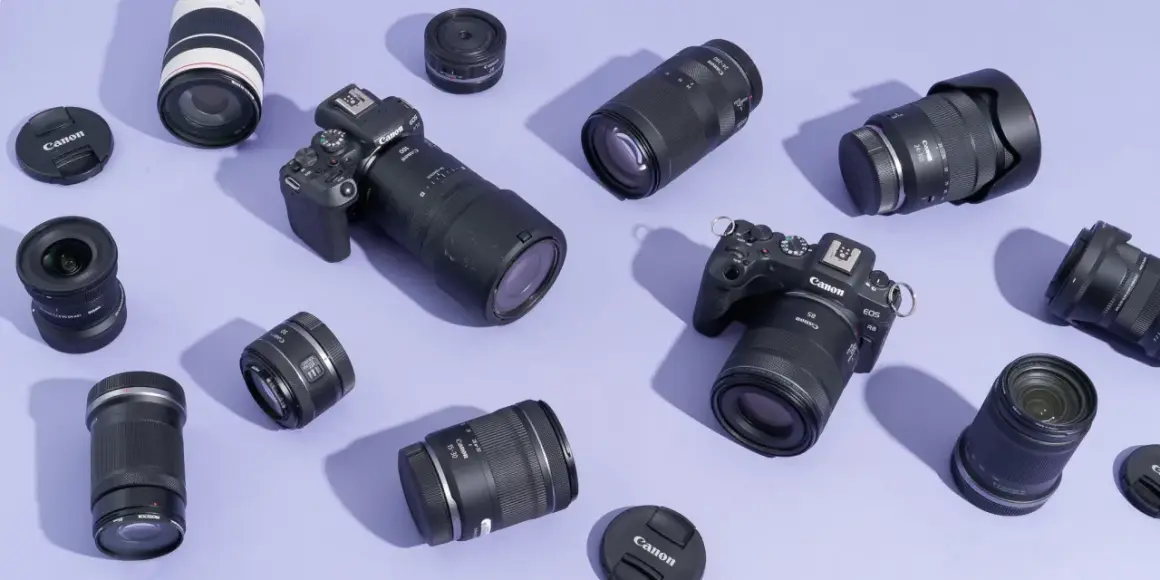
Canon’s L-series lenses are where the system gets serious, but the badge only matters when the lens actually fits the job. In this guide, I break down the best L-series options for everyday shooting, portrait work, travel, sports, and hybrid photo-video use, then I show how filters change the real cost and usefulness of each choice. The point is simple: buy fewer lenses, but make each one solve a problem you genuinely have.
The quickest way to choose the right Canon L lens
- RF 24-70mm F2.8 L IS USM is the safest one-lens default for most serious shooters.
- RF 24-105mm F4 L IS USM is the smarter value choice when weight and budget matter more than one extra stop.
- RF 15-35mm F2.8 L IS USM and RF 70-200mm F2.8 L IS USM form the classic wide-to-tele pro pair.
- RF 24mm, 35mm, and 50mm F1.4 L VCM primes are the cleanest hybrid stills-video path in the RF system.
- Filter size matters more than many buyers expect; 67mm, 77mm, and 82mm threads shape your real kit cost.
How I narrow Canon L lenses down in 2026
Canon’s L line started as the brand’s premium tier, and the red ring still signals a more deliberate optical and mechanical design. I do not rank these lenses by prestige; I rank them by how often they help me get the shot with less compromise. That means I look at focal length, aperture, stabilization, filter thread, weight, and whether a lens fits the way I actually work.
RF vs EF changes the decision
If I am starting from scratch on an EOS R body, I usually begin with RF glass because it is the cleanest long-term choice. EF L lenses still make sense if you already own them or find a strong used deal, especially because they adapt well on EOS R bodies, but I would only replace them when there is a real payoff in autofocus behavior, size, or video features. In other words, I do not buy RF just to be current; I buy RF when it removes friction.
The filter question is not cosmetic
A lot of buyers underestimate how much filter size affects the final cost of a kit. A lens with a 67mm thread is cheaper to outfit than one that needs 82mm filters, and the difference becomes more obvious once you buy a good circular polarizer and a solid ND. That is one reason I pay attention to the filter ecosystem before I call any lens “best.” The lens may be excellent, but the filter bill can quietly change the deal.
Once those basics are clear, the shortlist becomes much easier to read, because the strongest options tend to solve very different jobs rather than compete on the same spec sheet.
The lenses I would shortlist first
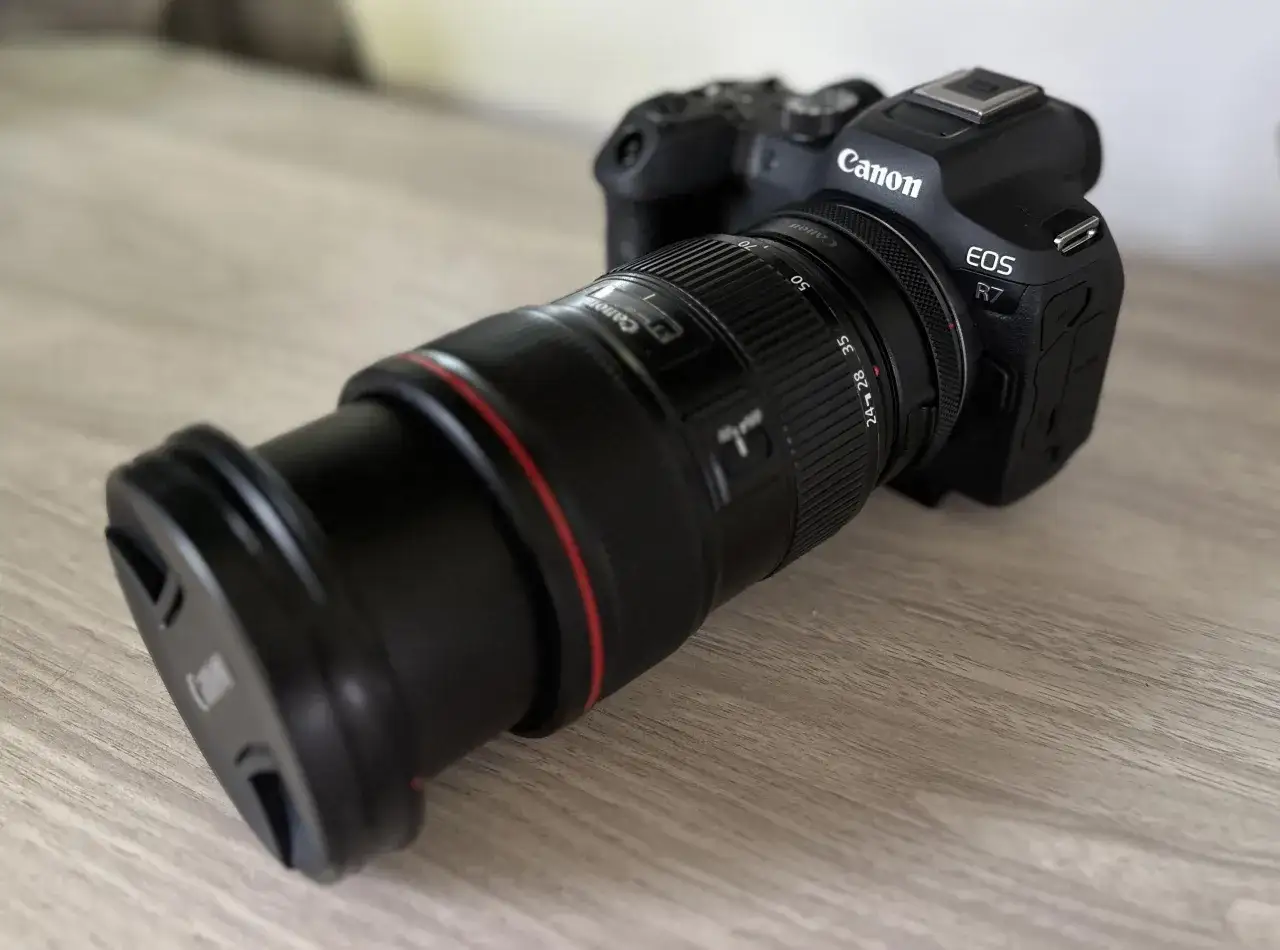
This is the practical list I would start with if I needed to cover most Canon use cases without wasting money on overlap. The models below are not the only strong L lenses, but they are the ones I keep coming back to because they balance performance, flexibility, and real-world value.
| Lens | Best for | Filter size | Why I rate it | Approx. U.S. price |
|---|---|---|---|---|
| RF 24-70mm F2.8 L IS USM | Events, paid work, all-purpose shooting | 82mm | The safest one-lens default; fast, stabilized, and versatile enough for most assignments | About $2,499 |
| RF 24-105mm F4 L IS USM | Travel, long days, general content creation | 77mm | Cheaper, lighter, and longer-reaching than a 24-70, which makes it easier to live with | About $1,299 |
| RF 15-35mm F2.8 L IS USM | Landscapes, architecture, interiors | 82mm | When the scene needs width more than reach, this is the lens that changes the frame fast | About $2,299 |
| RF 70-200mm F2.8 L IS USM | Weddings, portraits, sports, events | 77mm | The classic telephoto workhorse, with a practical filter size and strong low-light flexibility | About $2,799 |
| RF 24mm F1.4 L VCM | Hybrid wide-angle work | 67mm | Wide without feeling clumsy, and much easier to build a filter kit around than larger pro zooms | About $1,499 |
| RF 35mm F1.4 L VCM | Documentary, interviews, hybrid shooting | 67mm | Probably the most balanced of Canon’s newer hybrid primes; easy to carry, easy to trust | About $1,499 |
| RF 50mm F1.4 L VCM | Natural perspective, interviews, everyday prime use | 67mm | More flexible than the big f/1.2 lenses, with a filter size that keeps the kit affordable | About $1,399 |
| RF 85mm F1.2 L USM | Portraits, subject isolation | 82mm | The premium portrait look is the point here; this is about rendering, not convenience | About $3,099 |
| RF 100-500mm F4.5-7.1 L IS USM | Wildlife, field sports, distant subjects | 77mm | Reach first, still manageable, and one of the most useful tele options in the lineup | About $2,899 |
The pattern is hard to miss: 67mm primes make the hybrid kit cheaper to build, while 77mm and 82mm dominate the serious zooms. That matters because the first filter you buy often tells you more about the real cost of ownership than the lens price does, and that takes us straight into the zooms that earn their keep every day.
The zooms that earn their keep every day
When someone asks me which Canon L zoom to buy first, I usually answer with a ranking, not a single winner. The 24-70mm F2.8 is the safest default, the 24-105mm F4 is the smarter value play, the 15-35mm F2.8 is the lens that changes perspective, and the 70-200mm family is where telephoto work becomes genuinely flexible. Different jobs, different compromises.
The 24-70mm F2.8 is the safest default
This is the zoom I would choose for event work, paid content production, and general-purpose shooting because it fails least often. You get a fast aperture, stabilization, and enough range to handle most indoor assignments without constant lens swapping. The 82mm filter thread is the one downside, because pro-grade filters in that size cost more, but the lens earns the premium if you need one optic that does a lot.
The 24-105mm F4 is the better value buy
At roughly $1,299 and with a 77mm thread, the 24-105mm F4 is easier to outfit and easier to carry than the faster standard zooms. The tradeoff is obvious: one stop slower, so it shows its limits sooner indoors or in low light. For travel, family work, product B-roll, and daylight video, though, that trade is often the correct one. I like lenses that stay on the camera, and this is one of them.
The 15-35mm F2.8 is about space, not speed
This is the lens I reach for when the room is tight or the scene needs scale. Interiors, architecture, stage work, and dramatic landscapes all benefit from the extra width, and the 82mm filter thread is worth budgeting for because the image payoff is real. If you shoot real estate or any kind of visual storytelling where foreground and background need to coexist, this lens stops being optional very quickly.
The 70-200mm family is where telephoto work becomes practical
The RF 70-200mm F2.8 L IS USM is the obvious pro pick, but the RF 70-200mm F4 L IS USM is a smarter buy than many people admit, especially at about $1,599. The f/4 version gives up a stop, yet it saves money and usually feels easier in the bag. When I need even more reach, the RF 100-500mm F4.5-7.1 L IS USM becomes the practical answer for birds, field sports, and compressed outdoor portraits. It is a lens you buy for reach first and versatility second, which is exactly why it works.
Zooms solve the broadest set of problems, but they are not the whole story. Canon’s newer primes are where the system gets more specific, and that is where filter planning becomes especially important.
The primes that justify the premium
Canon’s 24mm, 35mm, and 50mm F1.4 L VCM primes are the clearest sign that the company is thinking about hybrid creators, not just still photographers. VCM stands for Voice Coil Motor, which helps keep autofocus smooth and video behavior more controlled, and all three lenses share 67mm filter threads. That makes them unusually coherent as a small kit.
The 24mm and 35mm VCM primes are the hybrid sweet spot
The RF 24mm F1.4 L VCM is the wider storytelling option, especially when I am working in tight rooms or building a scene around movement. The RF 35mm F1.4 L VCM is the one I would call the most balanced of the group: wide enough for context, normal enough for people, and fast enough for low light without forcing ugly ISO choices. Both sit around $1,499, which is not cheap, but it is easier to justify when they replace both stills lenses and video tools.
The 50mm VCM is the easiest normal prime to live with
The RF 50mm F1.4 L VCM lands around $1,399 and feels less intimidating than the larger f/1.2 class. For interviews, casual portraits, and everyday use, that matters. I like the 50mm focal length because it is honest and predictable, and this lens keeps that character without turning into a brick in the bag.
Read Also: Best Canon FD Lenses - Smart Picks for Today's Shooters
The 85mm F1.2 is still the portrait specialist
When the brief is subject separation, the RF 85mm F1.2 L USM is still the lens that makes the most obvious visual difference. It is expensive, around $3,099, and it demands good focus discipline because depth of field gets very thin at close distances. That is the tradeoff: it is not the easiest lens to use, but it gives you a look that no cheaper zoom fully duplicates. If you want the smoother bokeh variant, the DS version is more specialized still, and I would only choose it if you actively want that rendering.
Once you know which focal lengths matter, the next question is much simpler: which filters actually improve the kit instead of just adding cost and front-element anxiety?
Filters that actually make sense on Canon L glass
Filters are where a lot of buyers overspend or underthink the system. I care less about whether a filter feels reassuring and more about whether it solves a real problem, because a cheap or poorly matched filter can quietly weaken a very good lens. The first thing I look at is thread size, because that decides how expensive the filter ecosystem becomes.
| Filter size | Lenses in this guide | What it means in practice |
|---|---|---|
| 67mm | RF 24mm F1.4 L VCM, RF 35mm F1.4 L VCM, RF 50mm F1.4 L VCM | The cheapest pro filter size here, which keeps a hybrid kit easier to standardize |
| 77mm | RF 24-105mm F4 L IS USM, RF 70-200mm F2.8 L IS USM, RF 100-500mm F4.5-7.1 L IS USM | A very practical middle ground for CPL and ND buying |
| 82mm | RF 24-70mm F2.8 L IS USM, RF 15-35mm F2.8 L IS USM, RF 85mm F1.2 L USM | Common on flagship zooms, but usually the most expensive size in a kit |
My filter priorities are straightforward. A good circular polarizer is the most useful daylight filter for landscapes, water, glass, and cars. A 3-stop or 6-stop ND matters for long exposures and almost any serious video work. I only use clear or protective filters when I actually need extra front-element protection, because a lens hood already does a lot of that job without adding another layer of glass.
- Buy a slim CPL if you shoot reflections, skies, or water often.
- Buy one solid ND before you buy three mediocre ones.
- Use slim filters on ultra-wide lenses to reduce the risk of vignetting.
- Do not stack cheap filters on premium glass and expect premium results.
- Plan around your most common thread size before you start collecting accessories.
The 67mm, 77mm, and 82mm split is one of the easiest ways to save money without giving up image quality. Once that is settled, choosing the first lens becomes much less mysterious, which is where I would end the buying process.
The smartest way to build your first L kit
The best order is usually boring, and that is a good sign. I start with the lens that solves the most assignments, then I add the next lens only when it removes a real limitation. That approach beats chasing the most expensive option just because it appears on every “best” list.
- One-lens starter: RF 24-70mm F2.8 L IS USM, because it covers the broadest range of paid and personal work.
- Value starter: RF 24-105mm F4 L IS USM, because it gives you more reach, lower weight, and lower accessory cost.
- Portrait-first starter: RF 85mm F1.2 L USM if you want maximum blur, or RF 50mm F1.4 L VCM if you want more flexibility.
- Video-first starter: RF 35mm F1.4 L VCM, then add a quality ND filter instead of buying a second weak lens.
- Travel-and-outdoor starter: RF 24-105mm F4 L IS USM plus a good 77mm CPL.
- Sports and wildlife starter: RF 70-200mm F2.8 L IS USM first, then RF 100-500mm F4.5-7.1 L IS USM when reach becomes the priority.
- EF owner rule: keep a strong EF L lens if it still does the job and adapt it on EOS R before spending money just to replace perfectly good glass.
That is the practical answer I would give in 2026: start with the focal length you will reach for most, then build the filter system around it, and only upgrade again when the lens is limiting the work rather than simply looking impressive on paper. That is usually how the smartest Canon L kits get built.