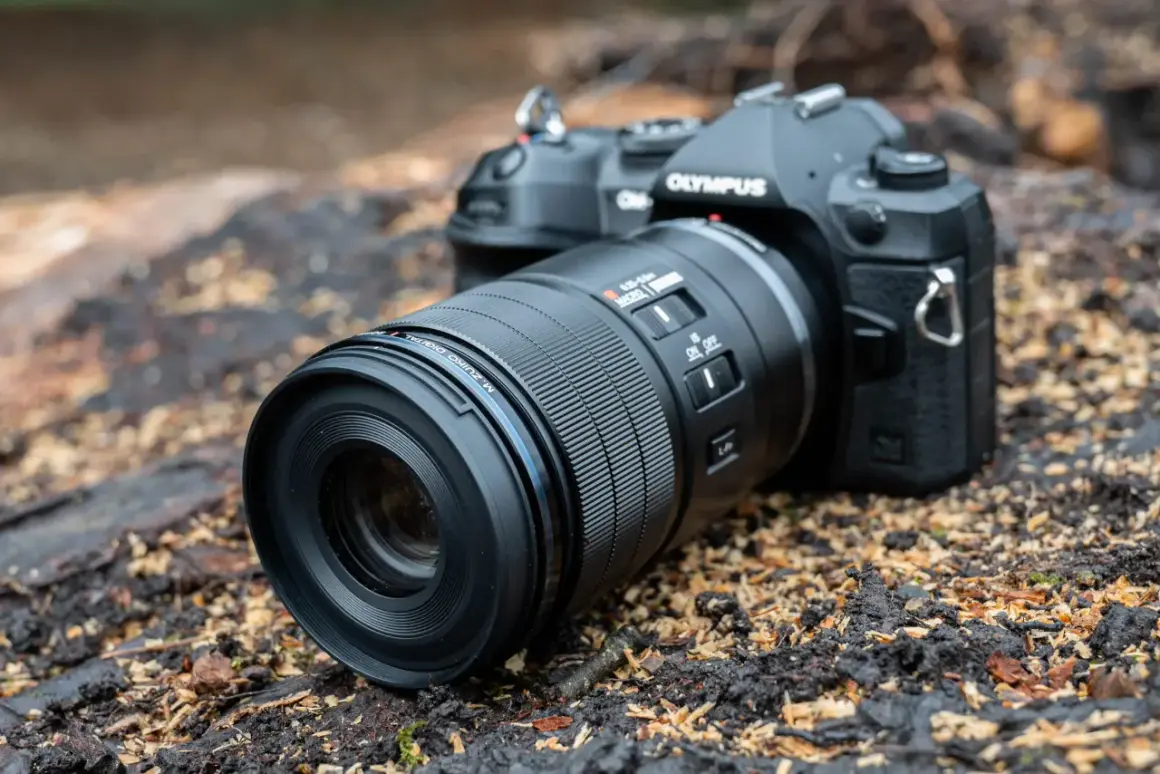
Micro Four Thirds pancake lenses make the whole system feel radically more portable, but the real value is not just size. The best options give you a camera that is easier to carry, faster to grab, and less intimidating to use for street work, travel, and lightweight production. In this guide, I break down the compact lenses that matter in 2026, how they compare in real use, and what I would actually buy depending on your shooting style.
The practical takeaway is simple: choose by size, focal length, and filter thread, not just by the word pancake
- True pancake primes on Micro Four Thirds are mostly about 28mm, 34mm, and 40mm full-frame equivalent views.
- The Panasonic 14mm F2.5 II is the smallest native prime I would still recommend without hesitation.
- The Panasonic 20mm F1.7 II is the best bright everyday option if you want a compact low-light lens.
- The OM SYSTEM 14-42mm EZ is the most compact zoom-style choice, and it keeps filter gear small with a 37mm thread.
- The OM SYSTEM 17mm F1.8 II is not the flattest lens here, but it is the most balanced premium compact prime.
- For filters, the most useful thread sizes in this group are 37mm and 46mm, because they let you standardize ND and polarizer kits.
What counts as a pancake lens on Micro Four Thirds
In practice, I treat a pancake lens as one that keeps the camera genuinely slim, not just “small for the system.” That usually means a short prime or a retracting zoom that stays pocket-friendly when collapsed. On Micro Four Thirds, the crop factor is 2x, so a 14mm lens behaves like 28mm, a 17mm like 34mm, and a 20mm like 40mm on full frame.This is why the category matters. A true pancake prime is about simplicity and carryability, while a pancake-style zoom gives up brightness to buy flexibility. I separate those two because buyers often want both at once, and that is where disappointment starts. Once you see the difference clearly, the rest of the choice becomes much more practical. The next step is comparing the lenses that are actually worth your money now.
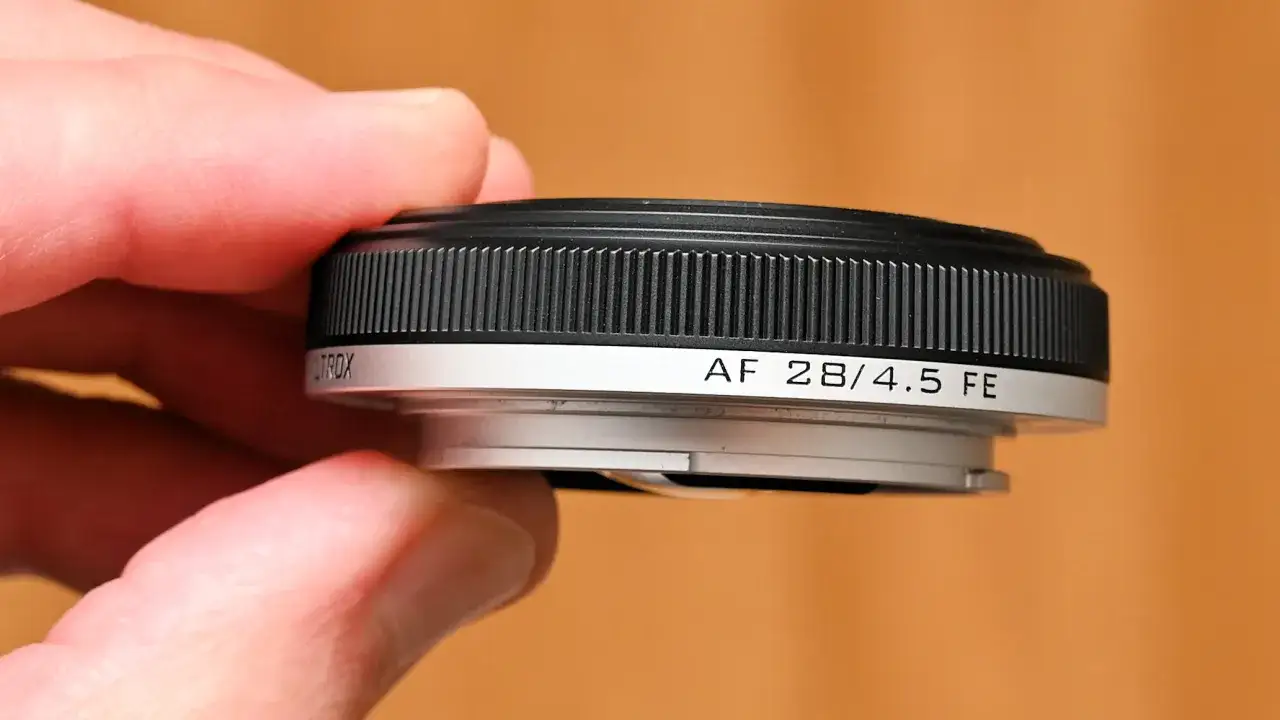
The current lenses that actually deserve your attention
For a U.S. buyer in 2026, I would keep the shortlist tight. These are the lenses that make sense because they are still relevant, easy to understand, and useful in real shooting rather than just on a spec sheet. I am including one zoom from Panasonic and one from OM SYSTEM because a lot of people searching for pancake lenses really want a small camera, not a strict definition debate.
| Lens | Type | 35mm equivalent | Size and weight | Filter thread | Typical U.S. price | Best use |
|---|---|---|---|---|---|---|
| Panasonic Lumix G 14mm F2.5 II | True pancake prime | 28mm | 20.5mm long, 55g | 46mm | $299.99 | Street, travel, architecture, discreet everyday carry |
| Panasonic Lumix G 20mm F1.7 II | Compact low-light prime | 40mm | 25.5mm long, 87g | 46mm | $399.99 | Everyday shooting, indoor scenes, available-light work |
| OM SYSTEM M.Zuiko 17mm F1.8 II | Compact premium prime | 34mm | 57.6 x 37.6mm, 112g | 46mm | $649.99 | Walkaround, documentary, weather-resistant travel work |
| OM SYSTEM M.Zuiko 14-42mm F3.5-5.6 EZ | Pancake-style retracting zoom | 28-84mm | 60.6 x 22.5mm, 93g | 37mm | From $299.99 | Smallest flexible zoom, casual video, travel kits |
| Panasonic Lumix G Vario 12-32mm F3.5-5.6 | Retracting travel zoom | 24-64mm | About 24mm collapsed, 70g | 37mm | Usually kit-priced | Ultra-compact general-purpose zoom with a wider starting point |
My honest read is that the Panasonic 14mm is the flattest no-drama choice, the 20mm is the one I would pick for low-light everyday use, and the OM SYSTEM 17mm F1.8 II is the most polished premium option if I care about weather sealing. The two zooms are not as bright, but they make a lot of sense when you want one lens to cover an entire day without swapping glass. That comparison leads directly into the real decision, which is focal length.
How to choose the right focal length for the way you shoot
If I reduce the whole category to a simple cheat sheet, it looks like this.
| If you want... | Choose this | Why it works |
|---|---|---|
| The smallest possible prime | 14mm F2.5 II | 28mm equivalent gives you a wide, flexible view without making the camera bulky |
| A natural everyday perspective | 20mm F1.7 II | 40mm equivalent feels close to how many people see a scene in daily life |
| Something between wide and normal | 17mm F1.8 II | 34mm equivalent is balanced for street, documentary, and travel |
| One lens for changing scenes | 12-32mm or 14-42mm EZ | The zoom range covers more situations than any single prime can |
I reach for 14mm when I want the camera to stay unobtrusive, 20mm when I want the frame to feel natural without stepping too far back, and 17mm when I want the middle ground. For travel or production work, the zooms make more sense because they prevent lens changes, which is often more valuable than extra aperture speed. The tradeoff is blunt: primes save light and usually give a cleaner shooting experience, zooms save time and reduce friction. That tradeoff becomes even more obvious once you start adding filters.
Why filter size and lens thickness matter more than people expect
This is the part most buyers underestimate. A pancake lens is only useful if the rest of the kit stays compact too, and filters are where that either works or gets messy. The good news is that this group mostly clusters around two filter sizes, 37mm and 46mm, so you can build a small, efficient ND or polarizer set instead of carrying a drawer of adapters.
| Lens | Filter size | Practical impact | What I would buy with it |
|---|---|---|---|
| Panasonic 14mm F2.5 II | 46mm | Shares filters with the Panasonic 20mm and OM SYSTEM 17mm, so the prime kit stays simple | One good circular polarizer and one quality ND set |
| Panasonic 20mm F1.7 II | 46mm | Same filter ecosystem as the other main compact primes, which makes it easy to standardize accessories | Same 46mm kit, especially if you shoot travel and indoor scenes |
| OM SYSTEM 17mm F1.8 II | 46mm | Weather sealing makes a filter even more useful as front-element protection in rough travel conditions | A higher-quality ND if you plan to use it for video |
| OM SYSTEM 14-42mm EZ | 37mm | Small filters keep the whole setup light, but the lower aperture means you will rely on them more often in bright light | A compact 37mm ND or variable ND, plus a protector if you want simple front-element insurance |
| Panasonic 12-32mm | 37mm | Same small-filter advantage as the OM zoom, with a slightly wider starting point for interiors and casual travel | A 37mm CPL if you shoot daylight travel or reflective surfaces |
For video, I would be careful with the cheapest variable ND filters on wider lenses, because the wider the view, the sooner filter artifacts become visible. On these compact lenses, filter quality matters more than people think, simply because you are usually shooting close to the lens’s limits. Once the filter choice is settled, the last step is deciding which compact kit actually matches your habits.
The compact kit I would build first
- If I wanted the smallest possible camera bag, I would start with the Panasonic 14mm F2.5 II.
- If I wanted one compact lens for low-light everyday shooting, I would pick the Panasonic 20mm F1.7 II.
- If I wanted the best premium compact prime with weather sealing, I would choose the OM SYSTEM 17mm F1.8 II.
- If I wanted a truly flexible travel lens that still keeps the body small, I would go with the OM SYSTEM 14-42mm EZ.
- If I wanted the widest value-focused travel zoom, I would look at the Panasonic 12-32mm first.
If you want the shortest possible answer, buy the lens that matches the view you naturally shoot most often. Pancake lenses are not about collecting the thinnest possible spec, they are about making the camera so easy to carry that you use it more. That is the real advantage of the Micro Four Thirds system, and it is the reason these little lenses still make sense in 2026.