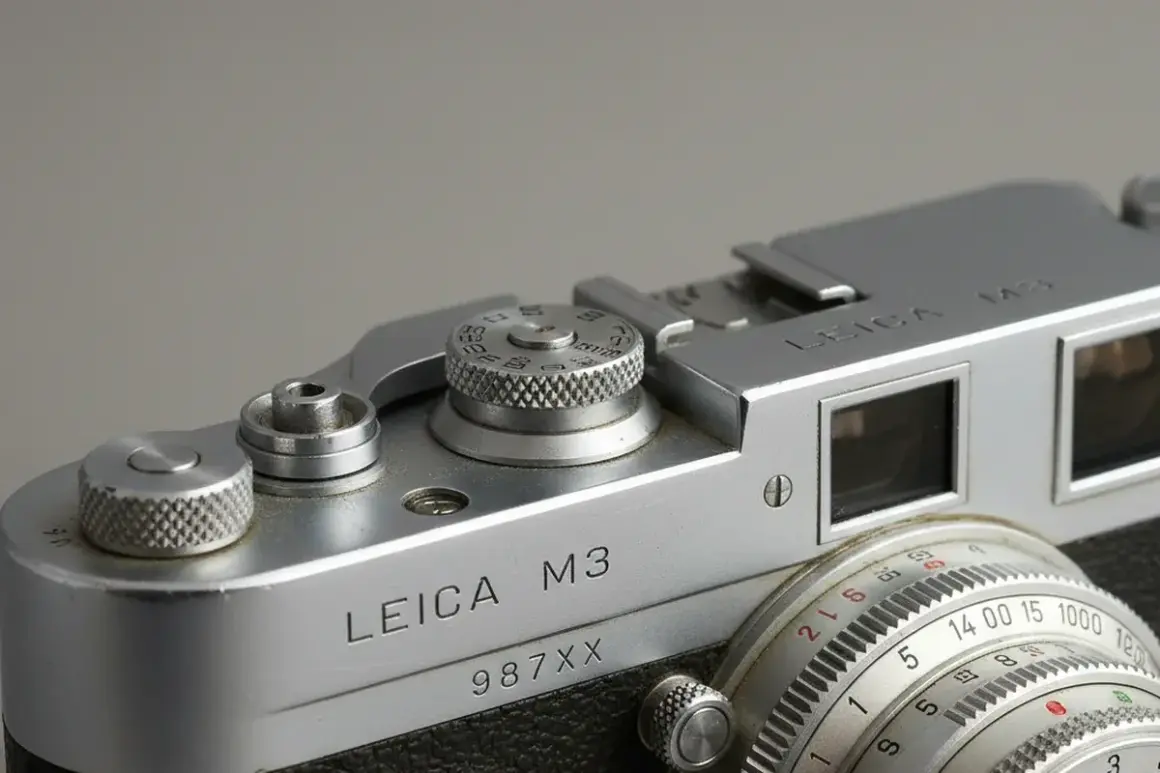
Some vintage cameras are just nostalgic objects, but a smaller group can still command real money because collectors want the exact model, finish, and accessories. I’m focusing on the pieces that matter in the U.S. market in 2026: what actually drives value, which families are worth checking first, how to inspect a camera without damaging its appeal, and where to sell it without underselling yourself.
The short version for collectors and sellers
- Rarity, originality, condition, and completeness matter far more than age alone.
- Leica, Nikon rangefinders, Hasselblad 500-series bodies, and premium Rolleiflex models are the names I check first.
- A matching lens, caps, case, or box can lift the price meaningfully, especially on collector-grade gear.
- Common consumer point-and-shoots are usually inexpensive unless they are cult models or unusually clean examples.
- For rare cameras, an auction house can outperform a quick buyout; for common gear, a trusted used-gear buyer is often the fastest route.
What actually makes a camera valuable
When I evaluate a vintage camera, I do not start with age. I start with scarcity, originality, and market demand. A camera can be 70 years old and still be cheap if thousands were made and most collectors already own one. Another camera can be younger and still be expensive if it was produced in tiny numbers, tied to a famous system, or preserved in unusually complete condition.
| What drives value | Why it matters | What I look for |
|---|---|---|
| Rarity | Fewer surviving examples usually mean more competition among buyers. | Limited production runs, prototypes, black-paint versions, and special editions. |
| Originality | Collector value drops when parts are swapped, refinished, or repainted badly. | Original finish, matching serial numbers, factory markings, and untouched hardware. |
| Condition | Working, clean cameras bring stronger bids than sticky, corroded ones. | Clean shutter travel, intact leatherette, no fungus in the optics, no battery damage. |
| Completeness | Collectors often pay more for the camera plus its correct accessories. | Original lens, caps, strap, case, hood, manuals, and box when available. |
| Provenance | Documented history can move a camera from interesting to exceptional. | Celebrity ownership, press use, military issue, prototypes, or auction paperwork. |
| Demand | Even rare cameras need an active buyer pool. | Systems with loyal collectors, like Leica, Nikon, Hasselblad, and Rollei. |
One point I always stress: original wear can be better than bad restoration. A lightly used, honest camera often beats a polished body that has lost its factory character. Once you understand those value drivers, the next step is looking at the camera families most likely to reward a closer inspection.
The models and families I watch first
Not every old camera is collectible, and not every collectible camera is expensive. The market is concentrated in a few families, and the difference usually comes down to the exact version, the lens, and whether the camera has the right original parts. In practice, I see the strongest money in classic rangefinders, premium medium-format bodies, and a few cult compact cameras.
| Camera family | Why collectors care | Rough 2026 U.S. resale range | What changes the price most |
|---|---|---|---|
| Leica M-series and early Leica rangefinders | Leica has the deepest collector market, and rare variants can attract serious bidding. | About $1,000 to $3,500 for many ordinary M3/M2 examples, and far higher for special versions. | Black-paint finishes, early production details, prototypes, matching lenses, and provenance. |
| Nikon S-series rangefinders | The S3 and SP families have strong demand, especially in limited editions. | About $1,500 to $3,000 for many desirable limited editions, with rare versions higher. | Millennium or black editions, originality, and whether the camera includes the correct lens. |
| Hasselblad 500-series bodies | These are classic medium-format workhorses with a long collector tail. | About $500 to $2,400 depending on body, lens, and condition. | Lens package, finder, backs, and whether it is a plain user body or a special kit. |
| Rolleiflex 2.8 models | Good TLRs stay desirable because they are beautiful, useful, and genuinely collectible. | About $2,000 to $5,000 for strong examples, with special editions and rare variants beyond that. | Exact sub-model, lens version, cosmetic condition, and whether it is a limited or commemorative release. |
| Cult compact film cameras | Some late-film compacts developed a strong following because of optics and portability. | Usually $150 to $600, sometimes more if mint and tested. | Working electronics, clean lenses, and whether the model has cult status rather than simple nostalgia. |
At the top end, the market is a different world. Recent auction results have shown that rare Leica prototypes and special black-paint bodies can jump into six figures, and the most exceptional examples can go much higher. That is not the norm, but it is the clearest proof that the right camera, in the right form, can be a true collectible instead of a simple used item. With that in mind, the next question is how to tell whether the camera in front of you is ordinary, desirable, or genuinely special.
How I inspect a camera before assigning any value
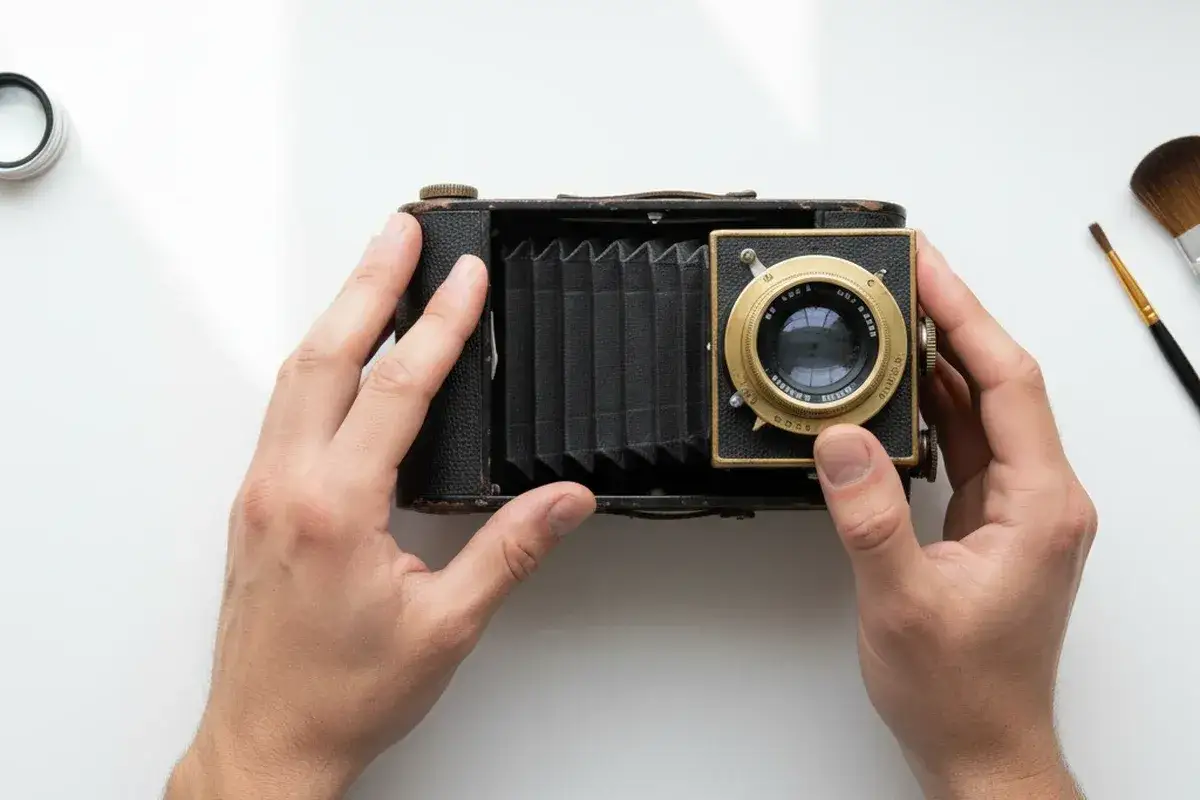
I like to inspect vintage gear in the same order every time because it keeps me from missing details that can change the price. If the camera is valuable, the goal is to document it first and clean it last. If it is not valuable, the goal is to avoid spending time on a full appraisal for a body that will never recover repair costs.
- Check the exact model name and serial number before touching anything else.
- Look for lens markings, back plates, and finder accessories that confirm the version.
- Test the shutter, film advance, mirror movement, and aperture blades if the camera is mechanical.
- Inspect the lens for haze, fungus, separation, chips, and heavy cleaning marks.
- Open the battery compartment and look for corrosion, leakage, or broken contacts.
- Confirm whether the camera has its original strap, caps, case, hood, and box.
- Search sold listings for the exact variant, not just the general model family.
Do not over-clean a collectible camera. Aggressive polishing, repainting, or replacing original parts can reduce value fast. I would rather see honest wear on an original body than a camera that has been “improved” into something collectors no longer trust. If the item seems rare, I stop short of any serious cleaning and move straight to documentation and pricing research.
What usually looks collectible but is not
This is where a lot of people lose time. Old does not equal valuable, and attractive does not equal rare. Some cameras look special on a shelf but are still common enough to sell for modest money.
- Mass-produced 1980s and 1990s point-and-shoots are often low value unless they are cult models with a proven following.
- Broken cameras with missing doors, corroded battery chambers, or failed electronics usually need a rare model name to justify repair.
- Refinished bodies can be less desirable than worn originals, especially when the finish no longer matches factory specs.
- Body-only listings often look cheaper than they should because collectors pay more for complete kits than isolated shells.
- Common SLRs with generic zooms usually live in the budget bin unless the lens is a genuinely desirable piece.
There is one useful exception: some broken cameras still have part-out value if they are rare enough or if collectors need donor components. That is why I never judge value by the exterior alone. Once you know what is probably not special, the selling decision becomes much easier, because the right sales channel depends on how rare the item really is.
Where I would sell it in the US
For U.S. sellers, the best route depends on the camera’s value tier and how much effort you want to spend. I usually separate it into four lanes: quick buyout, specialist resale, auction, and direct-to-buyer marketplaces. Each one makes sense in a different scenario.
| Sales channel | Best for | Speed | Upside | My take |
|---|---|---|---|---|
| Specialist auction house | Rare Leicas, prototypes, provenance pieces, and top-tier collector sets | Slow | Highest | Best when the camera is truly scarce and can attract competitive bidding. |
| Trusted used-gear buyer | Common to mid-tier film bodies, lenses, and complete kits | Fast | Moderate | A practical choice when you want certainty, less hassle, and a quick quote from a specialist. |
| Marketplace or marketplace auction | Desirable cameras with enough demand to support strong listing photos and clean descriptions | Medium | High if you do it well | Good for sellers who can handle questions, shipping, and returns without cutting corners. |
| Local camera shop or estate sale | Mixed lots, lower-value gear, urgent sales | Very fast | Lowest | Best only when convenience matters more than price. |
For many sellers, a buyer like KEH is the fastest low-friction option for ordinary gear, while a strong auction venue is the better path for rare collector pieces. I also trust completed sales more than active listings; asking prices are just wishful thinking until someone actually pays them. If you have a camera that might belong in the rare category, I would document it carefully before listing anything at all, because the final section below is where people usually save or lose the most money.
What I do before I list anything for sale
When I find a mixed box of old gear, I sort it before I price it. That means separating the obvious everyday cameras from the pieces that might deserve a deeper look, then photographing the important details before I clean or test anything. If you want the best return, the exact model, exact lens, and exact condition matter more than a fast guess from a generic price chart.
- Group cameras by brand, model family, and lens system.
- Record serial numbers, cosmetic condition, and any missing parts.
- Keep original accessories with the correct body unless there is a clear reason to split them.
- Use sold comps for the exact variant, not just the broad model name.
- Sell rare, documented pieces separately; bundle common gear only when the market for each item is weak.
If I had to reduce the whole topic to one rule, it would be this: the money is in the exact version, not the general idea of an old camera. A common body with a common lens is usually just used gear, but the right Leica, Nikon, Hasselblad, or Rolleiflex in original condition can become something collectors actively chase. Start with the exact model, protect originality, and choose the sales channel that fits the camera’s real level of rarity.