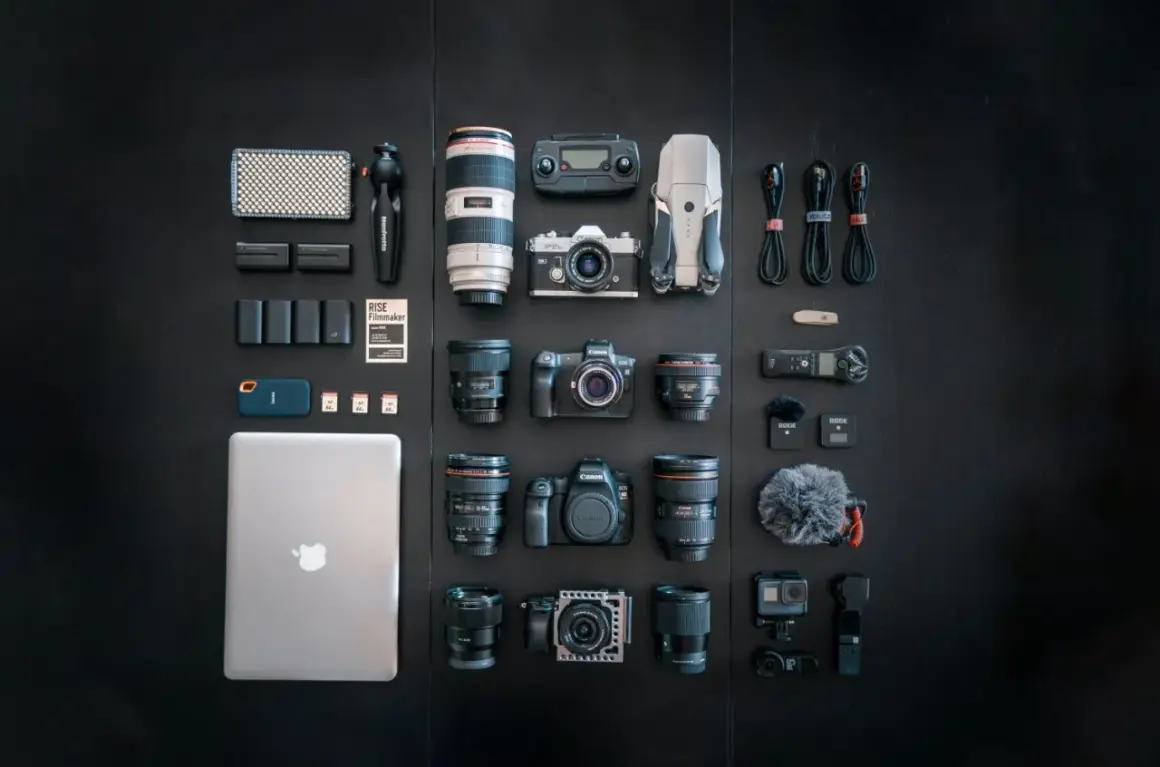
Photography gear can help, but it can also become a very expensive way to avoid doing the work. Gear acquisition syndrome is the pattern where buying starts to feel like progress, even when the real obstacle is skill, process, confidence, or a lack of a clear project. In this article I break down why that happens, what it costs, how to spot it early, and how to decide whether the next camera, lens, or accessory is genuinely useful.
The practical takeaway before you buy anything else
- New gear only helps when it removes a real bottleneck you have already hit in the field.
- The hidden cost is not just the purchase price; it is learning time, tax, accessories, storage, and depreciation.
- If you spend more time researching gear than using the gear you own, the pattern is probably already in control.
- A 72-hour pause, a rental test, and a clear project can stop most impulse purchases.
- The safest upgrade is the one that improves a specific shoot, not the one that promises to fix your taste.
What the buying spiral looks like in real life
Most photographers do not wake up and decide to waste money. The pattern usually starts much more quietly: you hit a creative snag, you open a review video, and suddenly a new body or lens looks like the missing piece. I have seen the same loop again and again: a person buys a new tool, feels a burst of motivation for a week, then ends up in the same place because the actual problem was not the gear.
The habit tends to show up in a few predictable ways:
- You know the specs of gear you do not own better than the limitations of the gear you already use.
- You keep upgrading within the same category, like three similar lenses that all cover nearly the same range.
- You spend more time watching reviews, unboxings, and comparison charts than shooting.
- You tell yourself a purchase will solve vague problems like “my style feels stuck” or “my photos need more punch.”
- Your camera bag keeps growing, but your portfolio does not.
That is the important distinction: healthy curiosity pushes you toward better work, while the buying spiral lets the shopping itself become the reward. Once you can see that pattern, the next question is why it feels so convincing in the first place.
Why new gear feels like the answer
New equipment feels persuasive because it offers a fast, concrete promise. A lens has a focal length. A body has better autofocus. A light has more output. Those are easy things to understand, and they create the illusion that a difficult creative problem can be solved with a clean purchase.
There are three reasons the temptation is so strong:
- Novelty creates momentum. A new camera is exciting, and excitement can disguise the fact that you have not changed your workflow.
- Specifications are easier to compare than outcomes. It is simpler to compare megapixels or aperture values than to measure stronger composition or better timing.
- Social proof is everywhere. Feeds full of finished work make it easy to believe that one more piece of equipment is all that stands between you and those results.
I think the biggest trap is that gear can genuinely help, which makes every future purchase feel defensible. The problem is that a useful tool and an emotional purchase can look identical from the outside. That is why the real cost matters more than the excitement around the box.
The hidden costs most photographers miss
The price on the store page is only the first number. A camera body is rarely just a camera body, and a lens is rarely just a lens. In the U.S., sales tax, memory cards, batteries, filters, bags, mounts, and other “small” extras can turn a manageable purchase into a much larger one.
| Cost | What it looks like | Why it matters |
|---|---|---|
| Purchase price | A body, lens, or light that looks affordable on its own | The visible number is usually not the final number |
| Tax and accessories | Sales tax, batteries, cards, straps, filters, or a better bag | A $1,500 purchase can easily become a $1,900 to $2,300 decision |
| Learning time | Menu systems, autofocus behavior, color profiles, flash settings | Every new tool takes time away from making actual photographs |
| Depreciation | The resale value drops as soon as the item is opened and used | Owning the gear is not the same as keeping its value |
| Opportunity cost | Money that could have gone to travel, printing, education, or a project | These investments often improve your work more than another body does |
One practical way to think about it is this: if a body is $1,200 and the lens you “need” is $800, you are already at $2,000 before tax. Add a battery, card, or filter, and you are often closer to $2,200 or more. That is a lot to spend if the purchase only buys a few days of excitement. Those hidden costs are exactly why it helps to spot the warning signs before the cart is full.
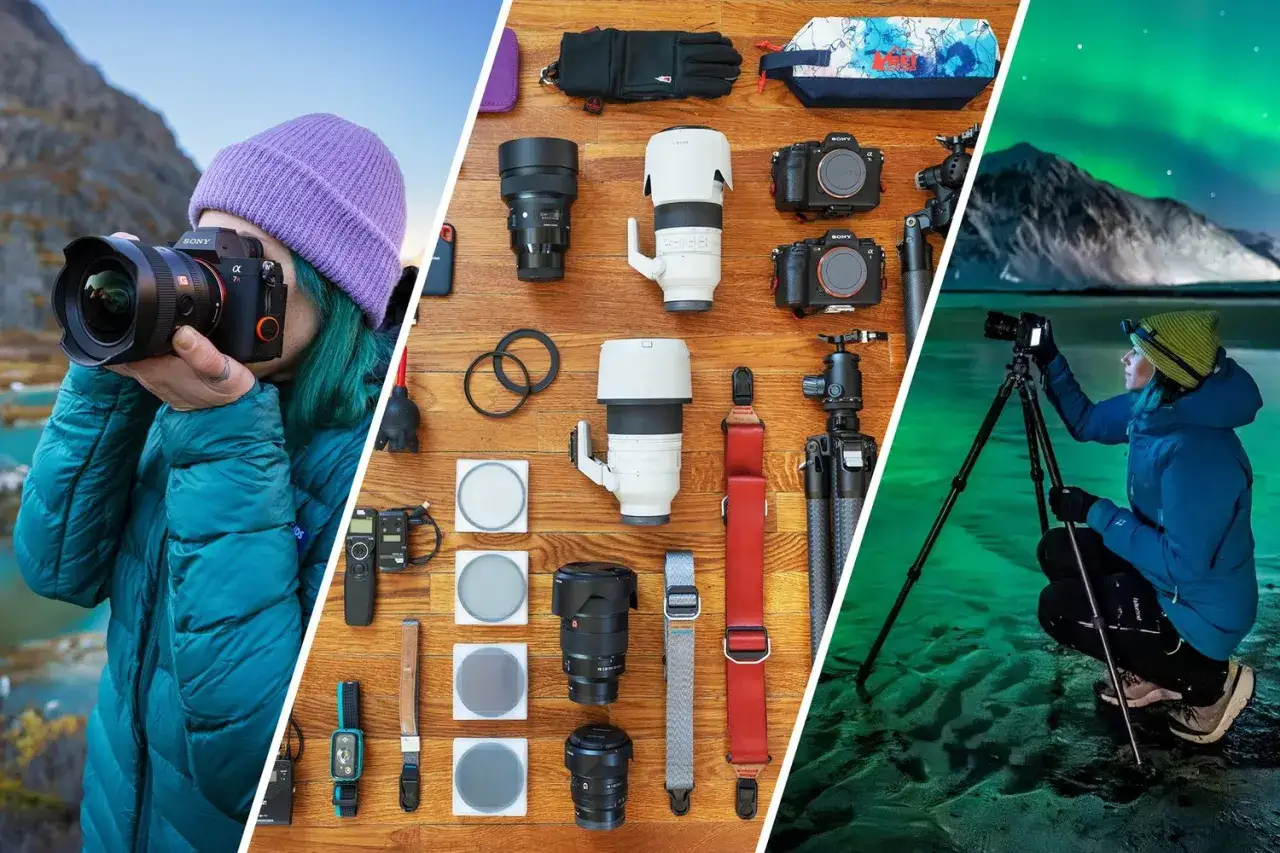
How to tell when you are collecting gear instead of making photographs
I do not treat gear obsession as a moral failure. It is usually a signal that something else needs attention. The point is not to shame yourself; the point is to notice when buying has started replacing shooting.
| Signal | What it usually means | Better response |
|---|---|---|
| You browse gear daily but shoot less often | Novelty is becoming the main reward | Set a no-review window and use the time to build a project |
| You own several items that do the same job | You are buying reassurance, not capability | Keep one tool for the task and sell the duplicates |
| You expect one purchase to fix your style | The issue is probably direction, not equipment | Define the look or subject first, then choose the gear |
| Your camera roll is full of test shots, not finished work | The gear is becoming the activity itself | Commit to one shoot and finish it before looking at anything new |
| You feel relief when you click “buy” | The purchase is acting like emotional regulation | Pause and ask what frustration the purchase is really trying to calm |
That last point is the one I pay the most attention to. A lot of gear buying is not about photography at all; it is about boredom, comparison, stress, or the need to feel forward motion. Once you can identify the trigger, you can build a buying filter that slows the habit down without killing the motivation behind it.
A buying filter that keeps spending intentional
I use a simple rule: if I cannot explain why a piece of equipment will improve a real shoot, I am not ready to buy it. That sounds obvious, but it forces you to turn a vague wish into a testable need.
- Write the problem in one sentence. “I miss focus at indoor events” is useful. “I want a better camera” is not.
- Prove the problem with current gear. If possible, hit the same limitation on at least two real shoots before acting.
- Rent or borrow first if the purchase is expensive. A one- to three-day test can save you from a month of regret.
- Set the full budget, not the sticker price. Include tax, cards, batteries, filters, and any support gear.
- Wait 72 hours if the purchase is not tied to paid work or a scheduled project.
- Ask what the new item will let you deliver that you cannot already deliver now.
For paid work, I allow a little more flexibility, but I still want evidence. If a new flash or body saves me 30 minutes on a job and I do that job 20 times a year, the time savings can justify the spend. If the item only creates excitement, that is a weaker case. The point is to make the purchase answerable to something real, which leads directly to the difference between a true upgrade and a spec chase.
When upgrading gear is actually worth it
Not every purchase is a trap. Some upgrades remove friction in a way that changes your work immediately. The trick is to identify improvements that affect output, reliability, or workflow, not just bragging rights.
| Situation | Upgrade may help | Why it can be justified |
|---|---|---|
| Paid event work with missed focus or slow recovery | Yes | Better autofocus and faster handling can raise the keeper rate |
| Low-light shooting where noise and shutter speed are a constant problem | Yes | A more capable body or faster lens can solve a real technical limit |
| Video work that needs stabilization, audio input, or a better monitoring setup | Yes | The tool may unlock a deliverable you cannot produce cleanly now |
| You want a different look but have no clear project or client need | Usually no | The problem is probably creative direction, not equipment |
| You already own multiple tools that overlap heavily | Usually no | You are likely buying redundancy, not capability |
A real upgrade shortens the distance between intent and result. If I can get the shot faster, more reliably, or in a situation my current setup cannot handle, I start listening. If the argument is mostly emotional or speculative, I treat it as a warning sign. From there, the healthiest move is often not a bigger purchase, but a better routine.
How to cool off GAS without losing creative momentum
The goal is not to punish yourself or pretend that gear does not matter. The goal is to put buying back in its proper place. In practice, a few habits do more than any inspirational quote about restraint.
- Run a 30-day no-buy period and keep shooting during it.
- Use one camera and one lens for a full week so you learn what actually limits you.
- Sell duplicates or underused gear before buying the next thing.
- Rent equipment for a real project instead of buying it for theoretical use.
- Move part of your gear budget to printing, lighting, travel, or education.
- Keep a short log of finished photos, not just purchases, so progress is visible.
I especially like the one-camera, one-lens reset because it makes the familiar feel useful again. It forces composition, timing, and attention to do more of the work, which is where real improvement usually happens. Once your kit feels lighter and your mind gets quieter, the next question is not what to buy, but what rule should govern the next decision.
The gear rule I would keep in my own kit
The rule I trust most is simple: I only buy gear that supports a project I will shoot within the next 30 days or solves a problem I have already confirmed in the field. If I cannot name the project, the limitation, and the expected payoff, I wait.
That rule does not eliminate impulse, but it does make impulse answerable. It keeps the work first, the tools second, and the wallet from becoming a substitute for creative direction. If gear acquisition syndrome is already part of your pattern, the fastest fix is not a bigger checkout limit; it is a slower decision.